
How to Keep Pets and Wildlife Safe
In the UK, Bonfire night is celebrated on the 5th of November each year but as soon as it hits mid October, we get people letting off fireworks. Also known as Guy Fawkes Night, it celebrates the failure of the Gunpowder Plot way back in 1605. A group of Catholic conspirators failed in their attempt to assassinate Protestant King James I, and overthrow parliament.
These days, the majority of us aren’t celebrating the real reason of its being. Most see it as an opportunity to get together outside with family and friends to enjoy a warm bonfire, autumnal food, and watch a few fireworks.
Despite the well intentions, the event has its disadvantages; loud bangs, flashing lights, smoke and unexpected disturbances. These things can be a nightmare for pets and wildlife, but enjoying the seasonal gathering shouldn’t come at the expense of animal welfare.

Should We Celebrate with Fireworks?
Fireworks are a traditional form of celebration that bring communities together but they come with both advantages and disadvantages. Organised displays can be an opportunity for people to socialise and enjoy seasonal festivities, but loud bangs and bright flashes can however frighten pets like dogs and cats, and of course the wildlife that makes its home outdoors.
The RSPCA explains that “from emotional distress to actual pain and suffering, traditionally loud, often explosive-sounding fireworks may only be an evening long, but the effects can be lasting”.
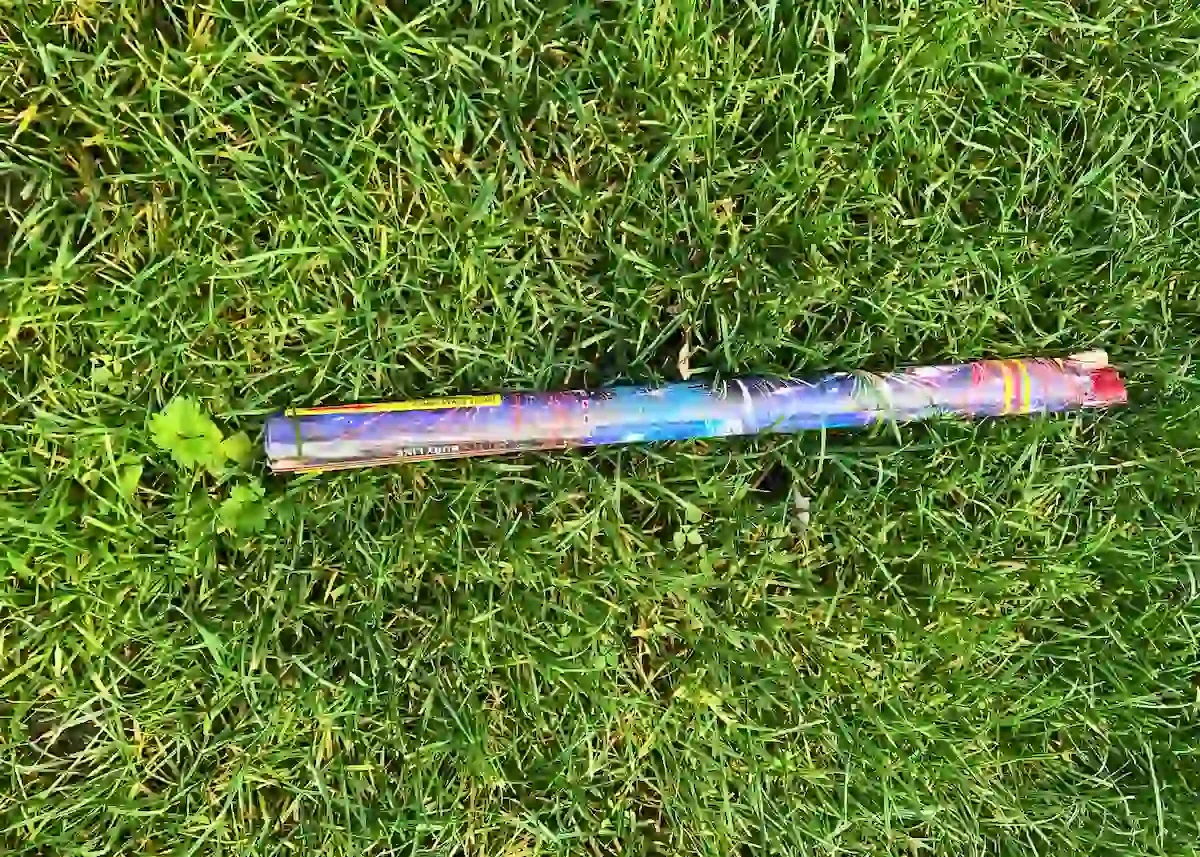
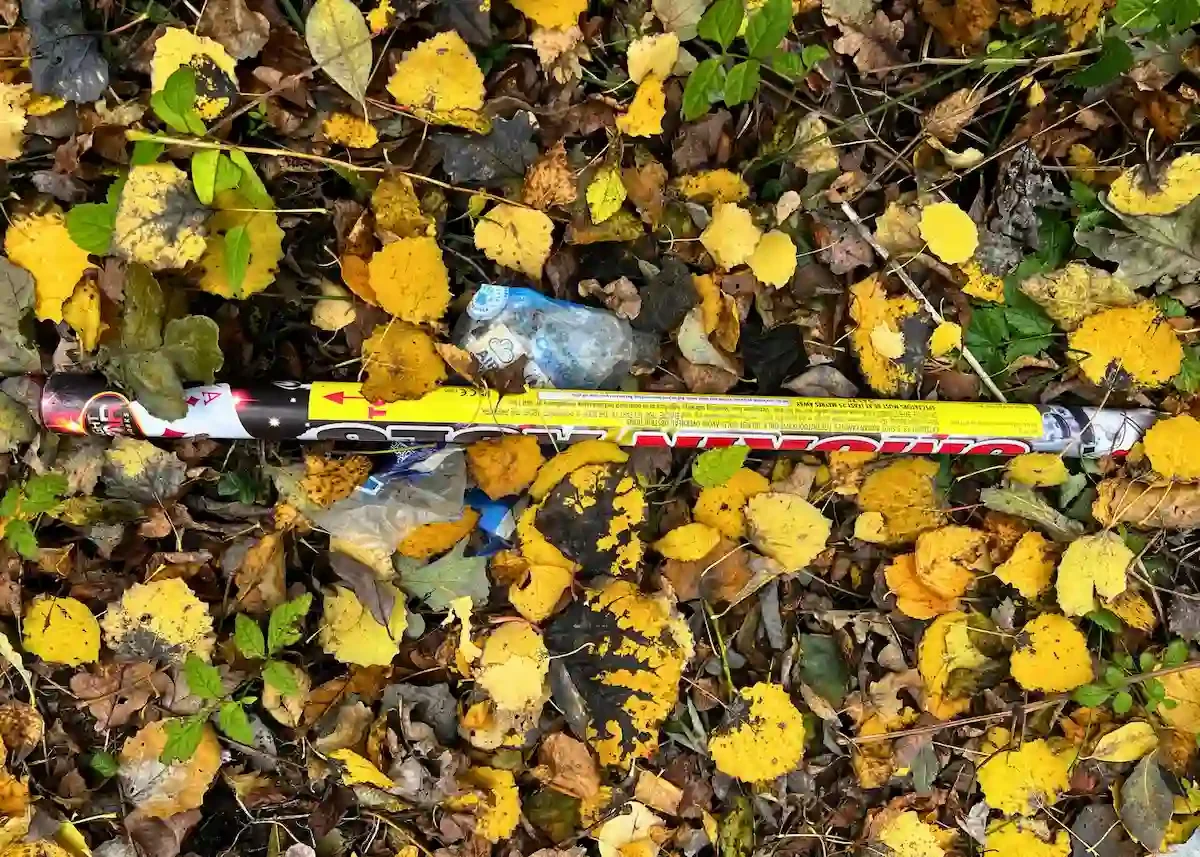
Birds and mammals often become so frightened by fireworks that they flee and become displaced. Plus, fireworks also leave behind debris. You let a rocket off and who knows where it’ll end up… Often, some poor animal will mistake it for a snack, which of course can cause serious injury or even death if swallowed.
“The desire for quiet fireworks and alternatives is growing. Over 90% of Brits want alternatives to fireworks; things like lasers, drones, or silent/quiet fireworks. These alternatives are available for both public and private displays” - RSPCA.
Attending organised displays rather than setting off fireworks in residential gardens is one way that we can minimise the negative impacts of this traditional celebration. There are even low-noise fireworks or silent alternatives such as drone and light displays. The RSPCA’s Firework Alternatives article is filled with more details, and info on protecting animals during celebrations.

Are Bonfires Safe?
Socialising around a toasty bonfire is a longstanding autumn tradition that encourages people to connect with the nocturnal side of nature outdoors. They’re obviously also central to community celebrations like Guy Fawkes Night.
The problem with bonfires is that small mammals like hedgehogs often hibernate in the piles of sticks and wood. If you light your bonfire before double-checking if there’s anything calling it a home, it can obviously cause serious injury or death.
Bonfires in any case produce smoke and air pollution, but it's also worth checking what you’re actually burning, as some things can release harmful substances into the air. We all know that person who’ll happily sling an old mattress onto the pile without checking its contents to keep the bonfire party going and to save on the costs of waste clearance.
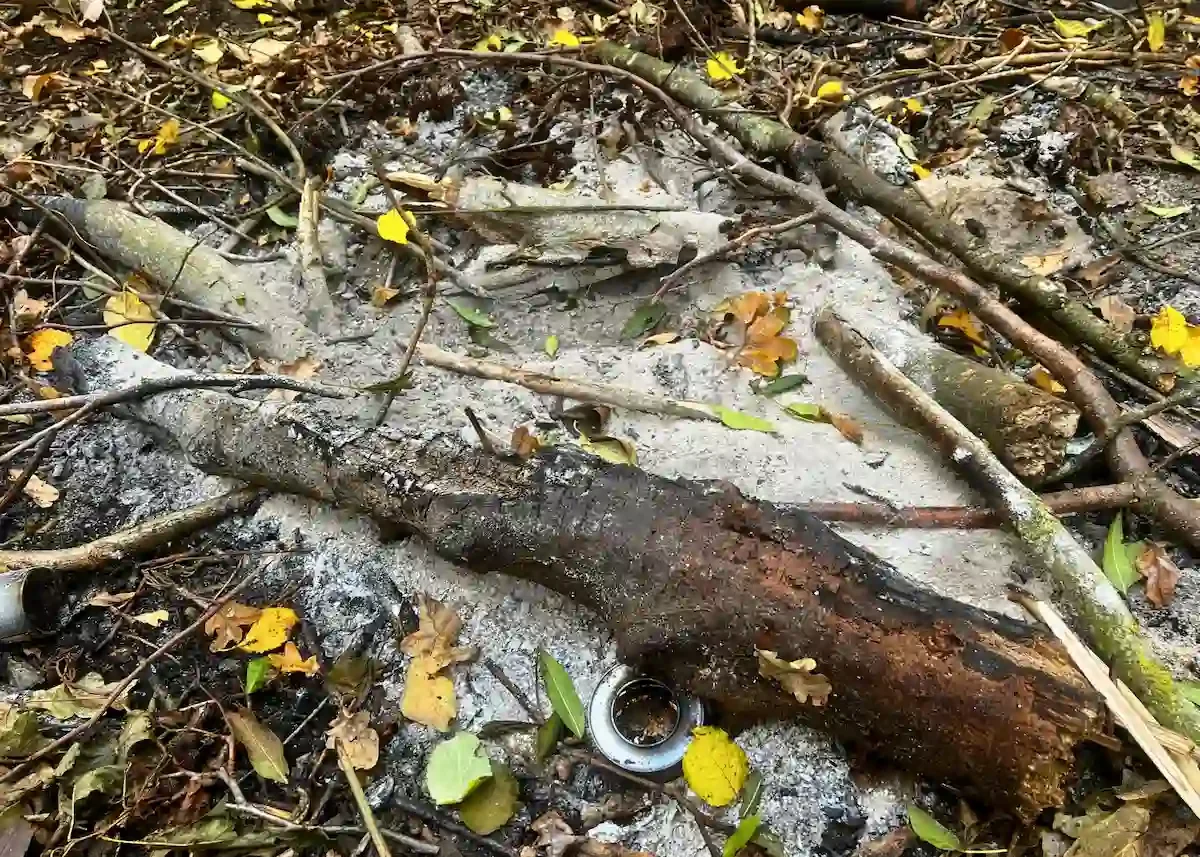
The RSPCA also has some great ideas for creating a hedgehog friendly bonfire, with tips including:
- Build bonfires as close as possible to lighting time.
- Check thoroughly for wildlife immediately before lighting.
- Use a torch and gently lift bits with a broom handle rather than a fork or rake.
- Light from one side to give any hidden animals an escape route.
The RSPCA also suggests that checking a bonfire with a broom isn’t always enough, and recommends moving the entire pile immediately before lighting as the most thorough precaution.
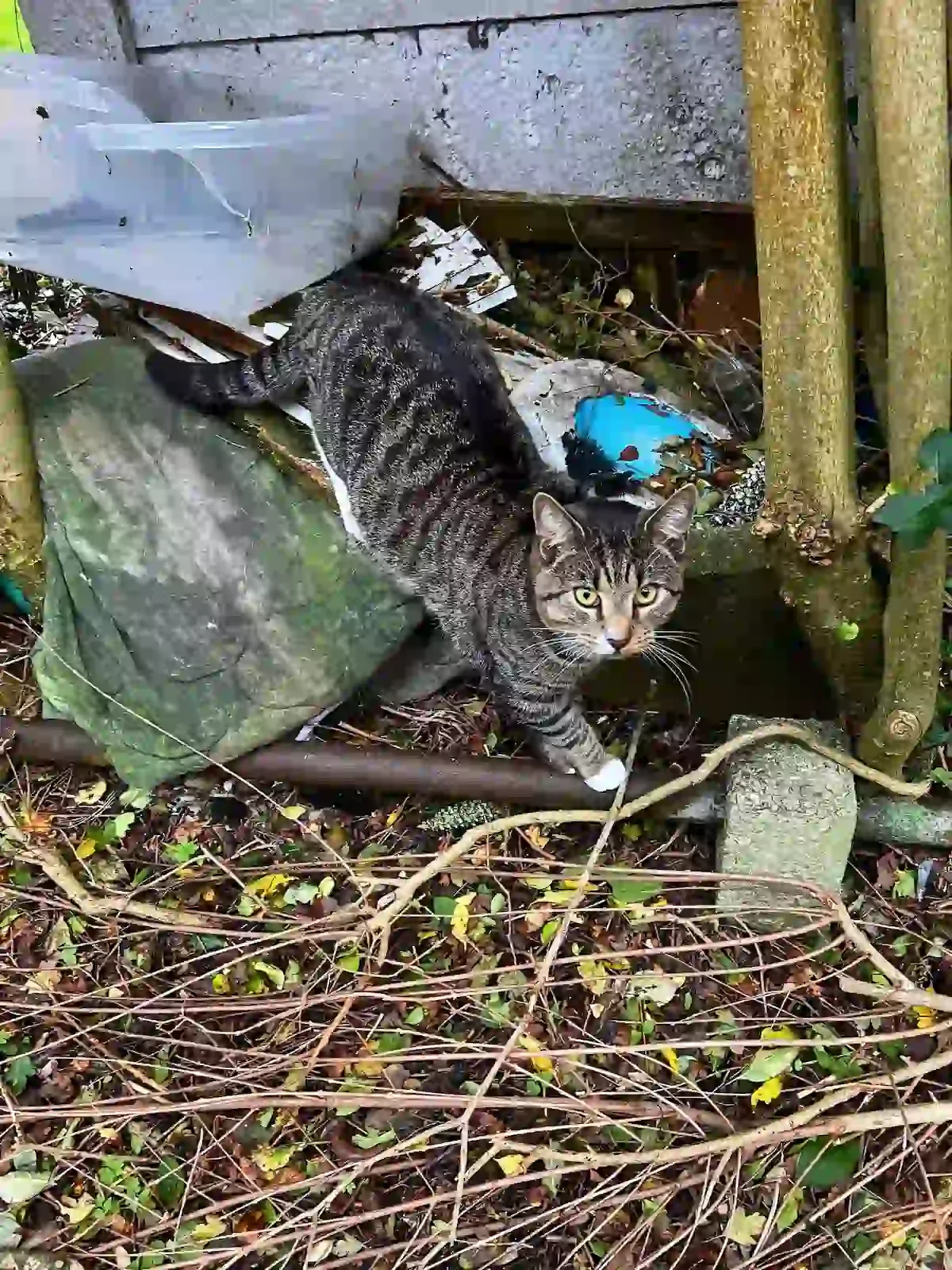
How to keep dogs calm at home during fireworks
Here are some suggested tips based on RSPCA advice:
1. Create a safe haven: Make a cosy den with blankets, bedding and favourite toys somewhere your dog feels comfortable.
2. Close curtains and windows: Reduce the noise and block out frightening flashes of light.
3. Put on the television or music: Background noise can help mask the sound of fireworks.
4. Walk during daylight: Avoid walking your dog after dark when fireworks are more likely.
5. Keep them indoors: Ensure doors, windows and garden gates are secure to prevent frightened dogs escaping.
6. Stay calm: Maintain your normal routine and offer reassurance.
7. Let them hide: Don't force your dog out of their safe space or punish them for showing signs of fear.
8. Speak to your vet: If your dog experiences severe anxiety, ask about pheromone diffusers, medication or behavioural support.
For more in-depth info, see the RSPCA’s article on Fireworks and Pets.
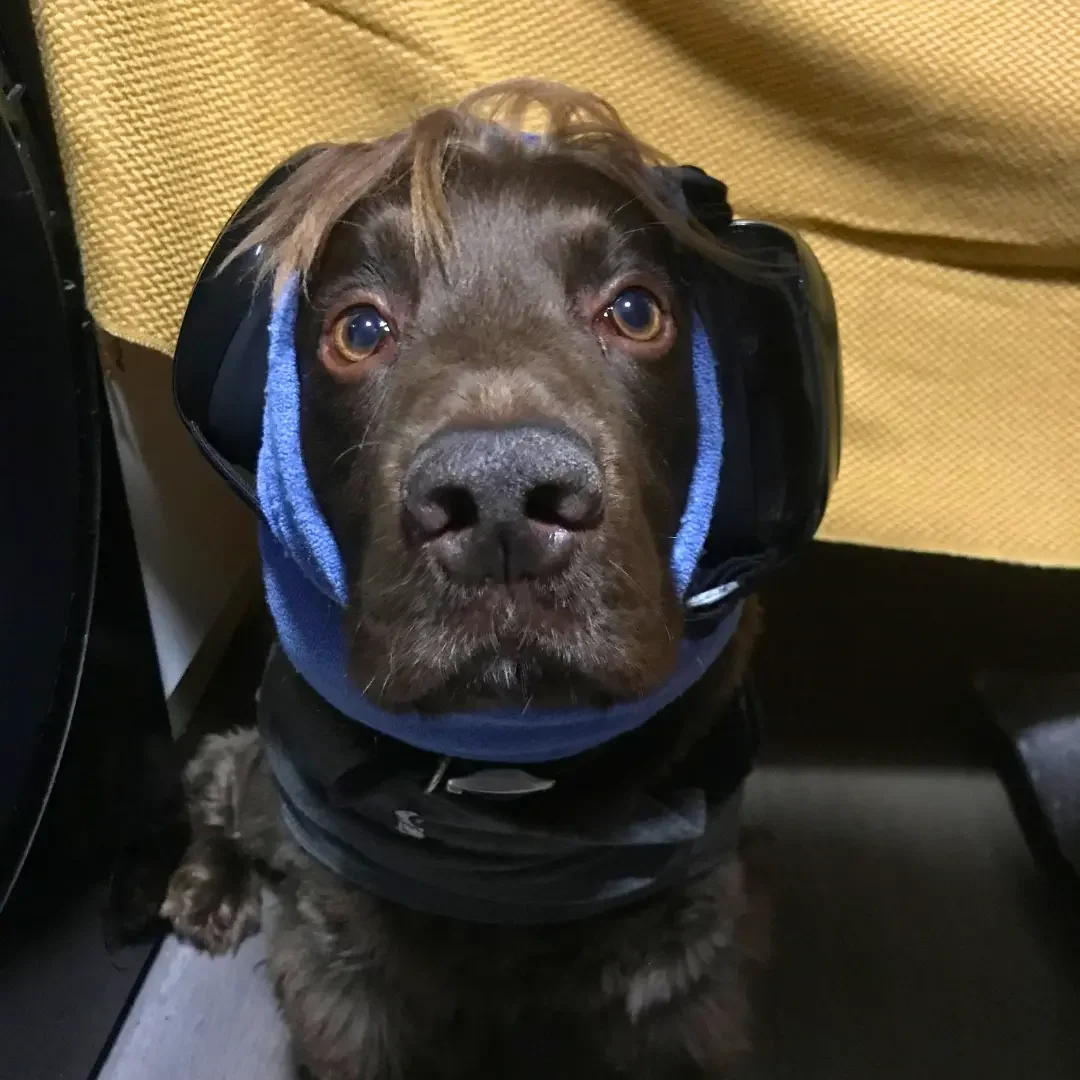
Protecting Garden Wildlife
Developing your nature connection also makes you care more about the environment around you. It’s not just your own pets that you’ll want to protect but also the animals that live outdoors.
Here are some suggested tips based on RSPCA advice:
- Remember hedgehogs, foxes, rabbits, squirrels & birds are affected by fireworks.
- Avoid setting off fireworks near woodland, ponds, trees and wildlife habitats.
- Never leave firework debris in parks, gardens or countryside.
- Once debris has cooled, collect it and dispose of it safely.
- Avoid sky lanterns, which can cause fires and injure wildlife.
- Consider alternatives such as a candlelit gathering, lantern decorations (without flames) or a community light display.
A More Considerate Bonfire Night
Reconnecting with nature also means recognising our responsibility to protect the animals and habitats around us.
You shouldn’t however feel guilty about celebrating Bonfire Night, as small changes can make a big difference to animal welfare. Choosing quieter displays, checking bonfires, keeping pets comfortable and cleaning up afterwards are simple ways to celebrate more responsibly.
Read Now: Why Dark Skies Matter: Light Pollution, Wellbeing & Wildlife.