
What Does Nature Connection Mean?
Simple Ways to Lower Stress and Improve Mental Health.
These days, most people are indoors and glued to some kind of screen; be it binging Netflix or doomscrolling social media. Work-wise, you can no longer escape! Smartphones and modern technology have created an always on culture. As your stress-levels plummet through the roof, research published in the National Library of Medicine highlights a direct link between heavy device usage and heightened anxiety, sleep disruption, and decreased focus… But you probably already knew that.
The good news is, there’s actually a pretty simple way to counteract it. Think of the last time that you switched off, got outdoors and did something nature related. Whether you were trying to turn your front garden into a wildflower meadow, or walking through the woods trying to figure out how many different types of bird song you could hear, all of these things have a profound effect upon how we feel… Oh, and sitting on a park bench scrolling your iPhone doesn’t count, although it could be a good first step towards starting to brave the outdoors more.
Copyright Knot Waste: Breda, Netherlands - STEK, Harbour Quarter.
Nature Connection vs. Simply Being Outside
Nature Connection is the feeling of being emotionally, mentally, and physically connected to the natural world. Connecting with the natural world can improve your health, strengthen communities, and encourage environmentally friendly behaviour.
It’s estimated that around 85% of people in the UK live in urban areas, and with society starting to realise just how beneficial spending time in nature can be, it’s time to break out of the concrete jungle for a bit, or at least give it a glow-up by scattering some greenery.
Nature connection can be experienced in urban settings, it’s not just about escaping to the countryside or getting lost in the wilderness… and if you can’t even read a compass, that’s also not the best way to improve your wellbeing !
Local green spaces; parks or forests, and rivers are great places to escape the urban feel and soak up some greenery. Go, leave your phone at home (or at least on silent in your pocket), and focus on your natural surroundings. Give yourself a focus whilst you’re there, as it’ll stop your mind from wandering back to your work list, or what your Mum wants for her tea. It could be as simple as counting how many different kinds of fungi you can see in the woods, or how many squirrels are playing in the trees. You could go one better, and take a camera to photograph as many different flowers as you can. It doesn’t matter, so long as your focus is on nature.
If creating a task for yourself doesn’t appeal, then simply practise being mindful in nature. Observe your thoughts, body sensations, and surroundings without judgement. According to the NHS, mindfulness can reduce stress, improve focus, and gently detach from negative thought patterns.
The more often you get out and about, the more you’ll also notice the seasonal changes around you. It’s nice to know that spring must be on the way when you see the first bluebells blooming. That can also be a reminder that it’s almost midgie season in the woods. So, you might need to layer up, or just mix things up with a different route. It all helps to maintain your wellbeing.
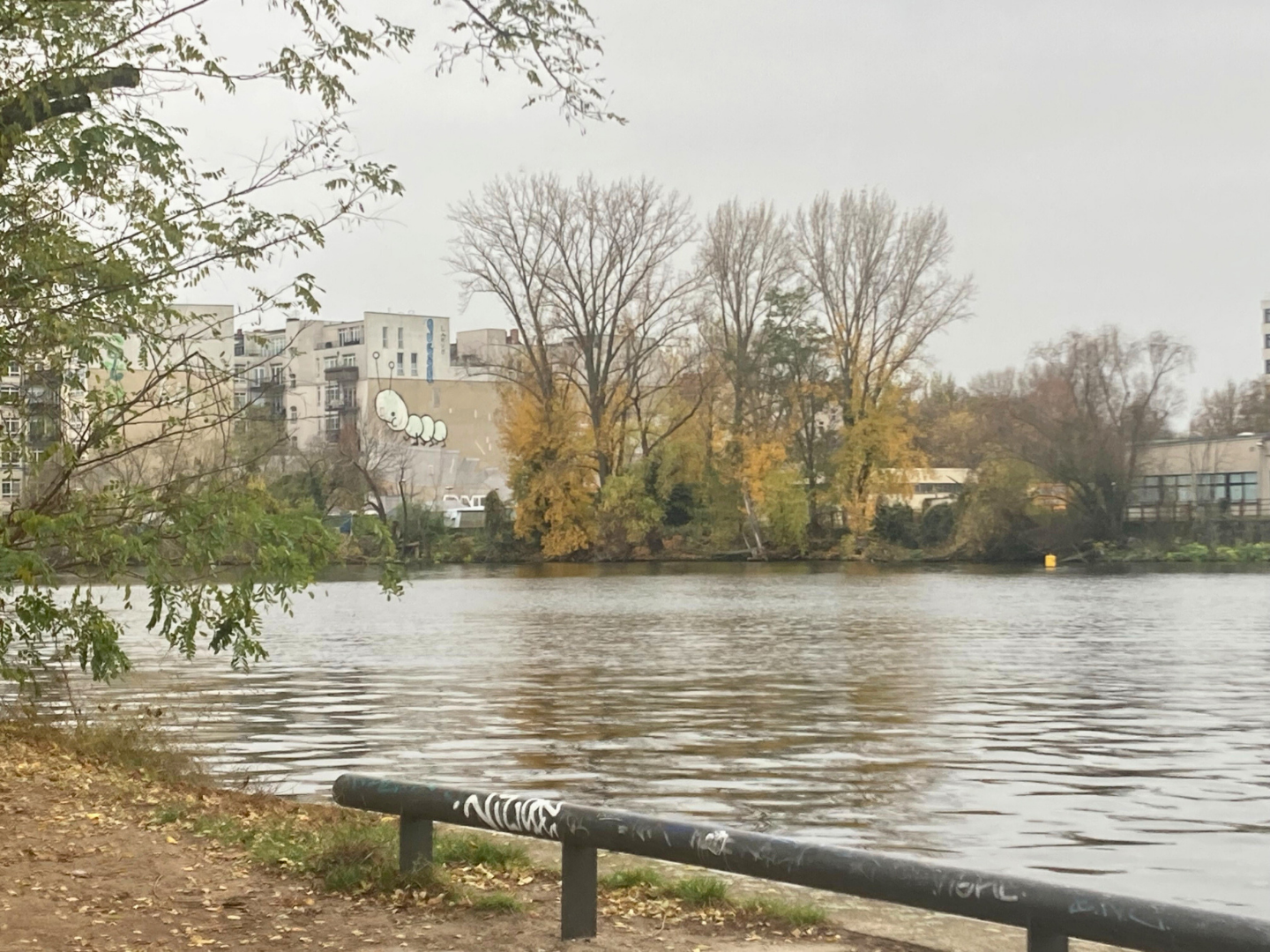
Copyright Knot Waste: Kreuzberg, Berlin - The River Spree
Stress Reduction and Mental Wellbeing
Whether you’re having a little stroll through the park after work, or trimming your hedge in the garden, nature can help to calm the nervous system.
“Nature connection is a powerful, science-backed tool for nervous system regulation. It interrupts the body's "fight-or-flight" stress response and shifts you into the parasympathetic "rest-and-digest" state. This lowers cortisol, reduces heart rate, and helps regulate your emotions,”
- NLM
How Does Nature Regulate the Nervous System?
There are three key ways in which nature helps to regulate the nervous system, and they’re so obvious that you’ll wonder why you had to even read about them.
Safety
Natural environments help our bodies to get out of being in high alert mode thanks to the sounds, colours, and smells that they’re packed with. They all signal safety to our brains which helps us to calm down.
Fractal Patterns
Ever felt an instant sense of calm after walking through a tree filled lane? This could be because trees, leaves, and rivers are filled with repetitive geometric patterns. According to research these kinds of patterns can lower your stress levels (by a lot!) and reduce mental fatigue.
Biophilia
Humans have a biologically driven tendency to connect with nature. This means that spending time outdoors and engaging emotionally, mentally, and physically with the natural world helps to restore our psychological balance.
5 Pathways to Nature Connection
To help save our planet and improve our own health and wellbeing, research has and is still being carried out into how we can improve our nature connectedness. It’s not about becoming an environmental genius, it’s about noticing, feeling, appreciating, celebrating and caring about the nature that we are part of.
Everybody is different, so everybody connects with nature in a different way. The Cheshire Wildlife Trust has set out the University of Derby’s 5 Pathways to Nature Connection to help us all to discover our own personal favourite ways.
Contact
To experience nature using all the senses for pleasure e.g. a taste, texture and smell session including fruits, vegetables, herbs, and edible flowers.
2. Emotions
To find an emotional bond with, and love for nature e.g. a calm moment in nature; a solo walk, a cup of tea under a tree canopy.
3. Beauty
To take time to find beauty in the natural world e.g. create some nature
Inspired art or embroidery.
4. Meaning
To explore what nature means to you e.g. share and discuss nature folktales.
5. Compassion
To care for and take action for nature e.g. go on a trip to the beach and take part in a beach clean-up.
If you want a few more ideas, check out www.cheshirewildlifetrust.org.uk. They’ve made a fancy infographic.

Copyright Knot Waste: Reykjavik, Iceland - North Atlantic Ocean.
Top 5 Tips for Making Nature Connection a Daily Practice
Bring the outdoors indoors
For those who have to spend the majority of their time indoors, then opt for greening up your indoor space. Biophilic Design like nature photography, adding more plants around your house, or even playing natural soundscapes can significantly improve your stress levels for the better.
Go Phone Free
Enjoy a ten minute walk without your phone. Enjoy your natural surroundings and forget about doom scrolling or firing off emails. Everything can wait for just ten minutes.
Morning Brew with A View
Whether it’s a morning cup of tea or a hydrating glass of water that you kick start your day with, enjoy it by a window. Just spend ten minutes doing nothing but drinking and watching nature through your window. It helps to ground your nervous system, reduce stress, and improve your overall well-being.Environmental Regulation
Use the outdoors to ground, soothe, or regulate the nervous system. Do this by sitting amongst greenery, by a river, or even looking up at the open sky, and sync your breathing to your surrounding natural environment. Unhurried natural rhythms help to calm a taxed nervous system without words.
Grounding Method
In a quiet outdoor space, name 5 things you can see, 4 things you can feel, 3
things you can hear, and 2 things you can smell, and 1 thing you can taste.
This shifts your focus to the now and helps to stop your mind from wandering.

Copyright Knot Waste: Downtown Reykjavik, Iceland.
Living in urban environments is great but at the same time modern lifestyles create disconnection, excessive screen time, and climbing stress levels. Nature connection is something that everybody can benefit from. It can be accessible, low-cost, and always deeply human.
You don’t need to dramatically head to the hills for a weekend for it to have an impact. Small moments of attention and connection can gradually support calmer minds, healthier routines, and greater wellbeing.