
Why Every Drop Matters
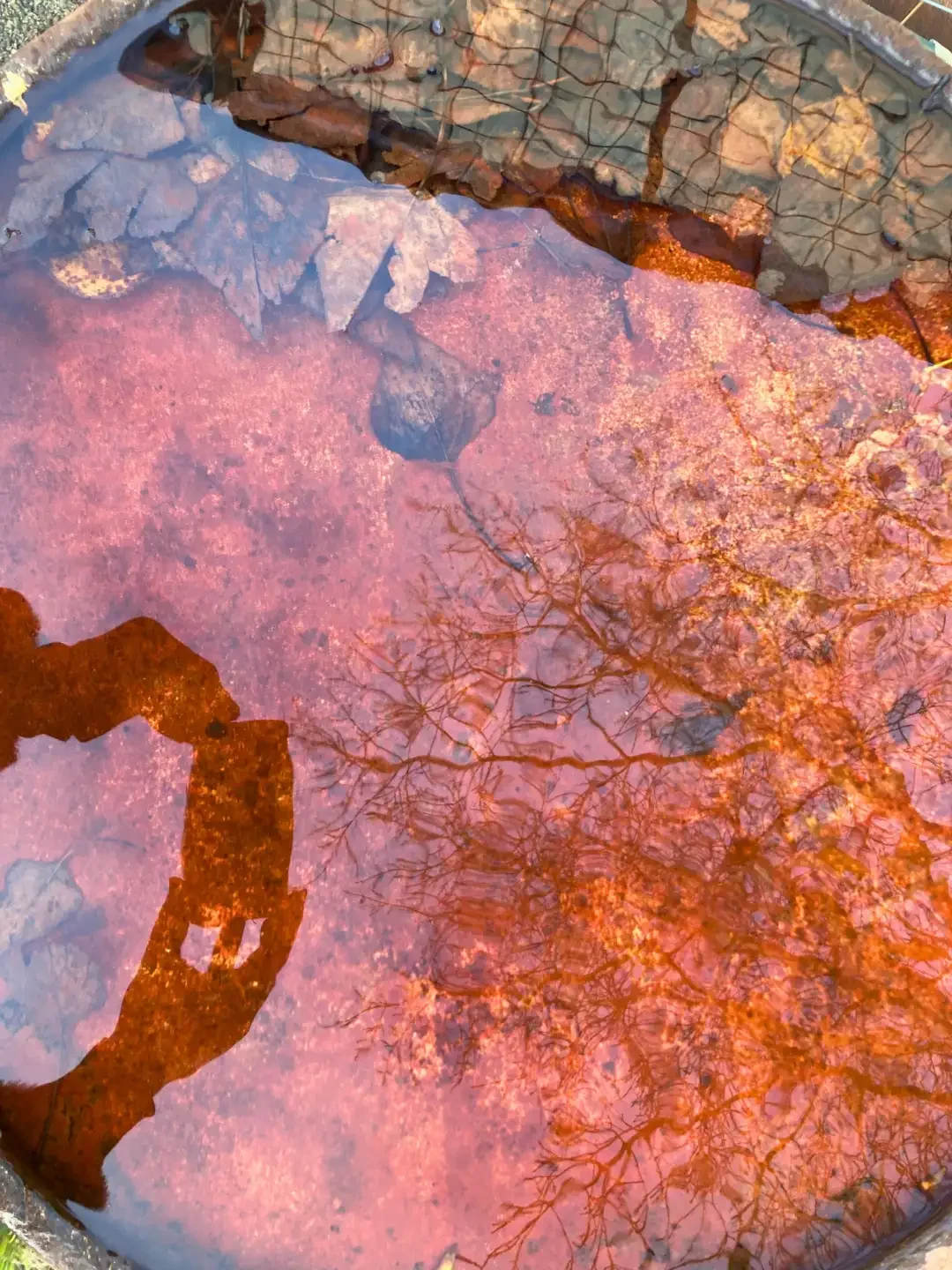
From Water Night to Halloween
Our minds might be on pumpkin carving but this week but people across the UK also paused to take part in Water Night. It’s an initiative encouraging households to reflect on how much they rely on water and how they can use it more responsibly. According to Waterwise, The campaign encourages people to turn off non-essential taps between 5 pm and 10 pm, and it was developed to encourage people to reflect on their everyday water use.
With Halloween approaching, our attention is also turning to bats! These creatures are often associated with spooky stories but they actually play important roles in our ecosystems.
What connects the two? Bats depend on healthy freshwater habitats for drinking water and food. Water conservation isn't just about securing supplies for people. Protecting water resources also helps safeguard the wildlife that depends on them.
What Is Water Night UK and Why Does It Matter?
Most of us take water for granted, since it’s so readily available through taps in our homes. Water Night however encourages us to pause and challenge that. Freshwater is a precious resource that needs protecting, and household water use connects to wider environmental pressures, including the demand placed on water supplies.
One-off awareness events are valuable starting points for longer-term behavioural change. The next step is turning that awareness from events like Water Night into everyday habits that benefit people and wildlife. You can get some ideas on saving water in your everyday lives by visiting the Water Night 2026 campaign.
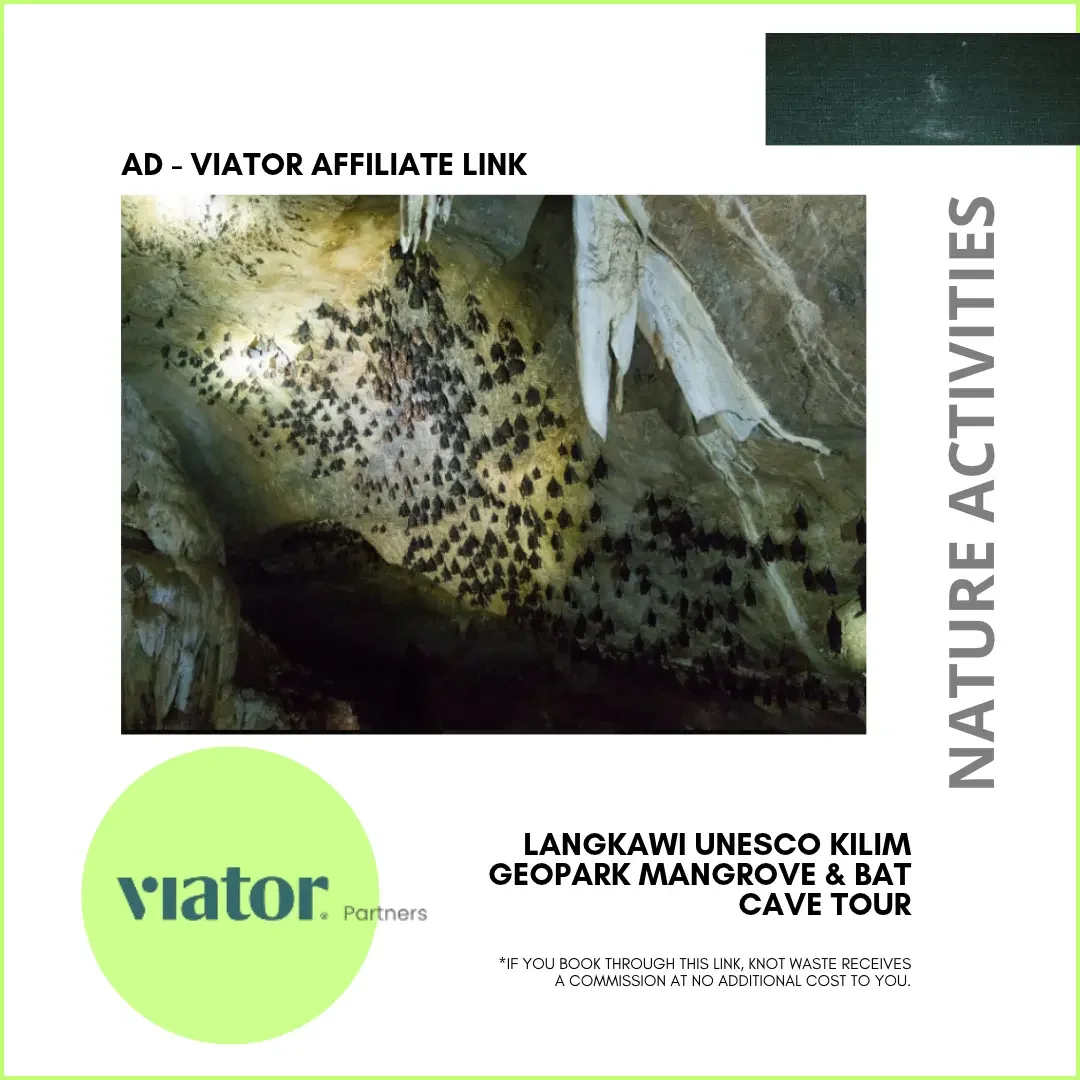
Why Do Bats Need Clean Water?
There are three important connections between bats and freshwater habitats.
1. Bats need water to drink
Bats get their drinking water from open sources like ponds and lakes, so access to suitable drinking places is therefore an important part of a healthy bat habitat.
2. Water provides food
Many flying insects like midges, crane flies and caddisflies have aquatic larval stages, which depend on freshwater environments during part of their life cycles. Bats love to scoff these insects, so when freshwater habitats deteriorate, the insects associated with them can also be affected. This potentially reduces food availability for bats.
3. Water quality matters
For bats and water the relationship status is complicated. Not all bats rely on freshwater to the same degree, and water availability is only one of several factors influencing their survival.
Pollution and habitat degradation can have a knock-on effect on freshwater organisms and the wider food web. Sources like Fresh Water Habitats Trust mentions research which suggests that water quality can also help explain patterns in the presence of some insect-eating bat species. Here we’re potentially seeing how water conservation helps bats.

Why Are Bats Important to the Environment?
Protecting bats means protecting more than one animal species, as it also means looking after the habitats and food webs that support wildlife. With 18 resident UK species, bats contribute to biodiversity.
They act as a natural insect control with UK bats eating insects like moths and flying invertebrates. For example, the water bat (officially Daubenton's bat) is known for hunting insects close to the surface of rivers, lakes and other water bodies. It makes them important participants in food webs.
The Bat Conservation Trust explains that they can also act as indicators of environmental change. Bats respond to changes in habitats, food availability, water quality and artificial lighting, so monitoring them can help conservationists understand wider environmental changes.
8 Simple Ways to Save Water and Help Bats
Ways to help bats
1. Protect ponds and other freshwater habitats.
Support local conservation projects that maintain clean, wildlife-friendly water sources.
2. Create a wildlife-friendly garden.
Grow a variety of plants that support insects, providing food for bats. Avoid pesticides where possible.
3. Reduce unnecessary outdoor lighting.
Artificial light can disrupt the feeding and movement of some bat species, so keep gardens dark at night wherever practical.
Ways to conserve water
1. Take shorter showers.
Reducing shower time can lower household water consumption.
2. Turn off the tap.
Avoid leaving water running while brushing your teeth or washing up.
3. Fix dripping taps and leaks.
Small, persistent leaks can waste water over time.
4. Collect rainwater.
Use a water butt to collect rain for watering suitable garden plants.
5. Use water wisely in the garden.
Water plants when necessary, preferably during cooler parts of the day, and consider drought-tolerant planting.

Small Actions, Healthier Habitats
Water Night and Halloween are one of the best times to look at familiar things differently. Water is not simply something we use in our homes, as it sustains complex ecosystems. Bats can help us to appreciate the connections between freshwater, insects and wildlife, whilst saving water, reducing pollution and protecting habitats are practical ways to contribute to a healthier environment.
So this spooky season, notice the wildlife around your local ponds, rivers and green spaces, and choose one water-saving or bat-friendly habit to adopt.
Caring for nature starts with understanding the connections that make healthy ecosystems possible.
Learn More: How Urban Greening Can Create Healthier and Cooler Cities
See us try out nature activities on Substack. Our latest article is all about Reconnecting with Dark Skies. Perfect for Halloween!