
Why Dark Skies Matter
Light Pollution, Wildlife and Wellbeing.
Is there anything more autumn than putting on a fleecey top, grabbing a mug of hot choccie and sitting outside to watch the stars, whilst moths and bats have a dance beneath the moonlight?
Nature Connection doesn't stop when the sun goes down. We can learn to notice nocturnal wildlife, appreciate the moon and stars, and make small changes at home that benefit the wider environment. Dark skies are an important part of a healthy natural environment, even in towns and cities, but artificial lighting can make a star-filled sky difficult to experience.
This week is the Dark Skies Fringe Festival in the Yorkshire Dales National Park, with events encouraging people to explore the night-time environment… but you don't need to live in a national park to participate! Turning off a garden light, noticing the moon from a window or taking a quiet evening walk can be great first steps for dipping your toes in.

Light pollution outside of Reykjavik from our Iceland Northern Lights gallery.
What is light pollution?
Light pollution is caused by things like security floodlights, illuminated buildings, streetlights and garden lighting. It’s when excessive, poorly directed or unnecessary artificial light brightens the night sky. The problem is not all artificial light, but lighting that is brighter, longer-lasting or less well directed than necessary. If you’ve ever gone chasing the Northern Lights, you’ll know that although you can catch a glimpse downtown, they appear brightest away from the city lights whilst dancing above dark sky national parks. That’s a good example of how light pollution can prevent you from seeing things.
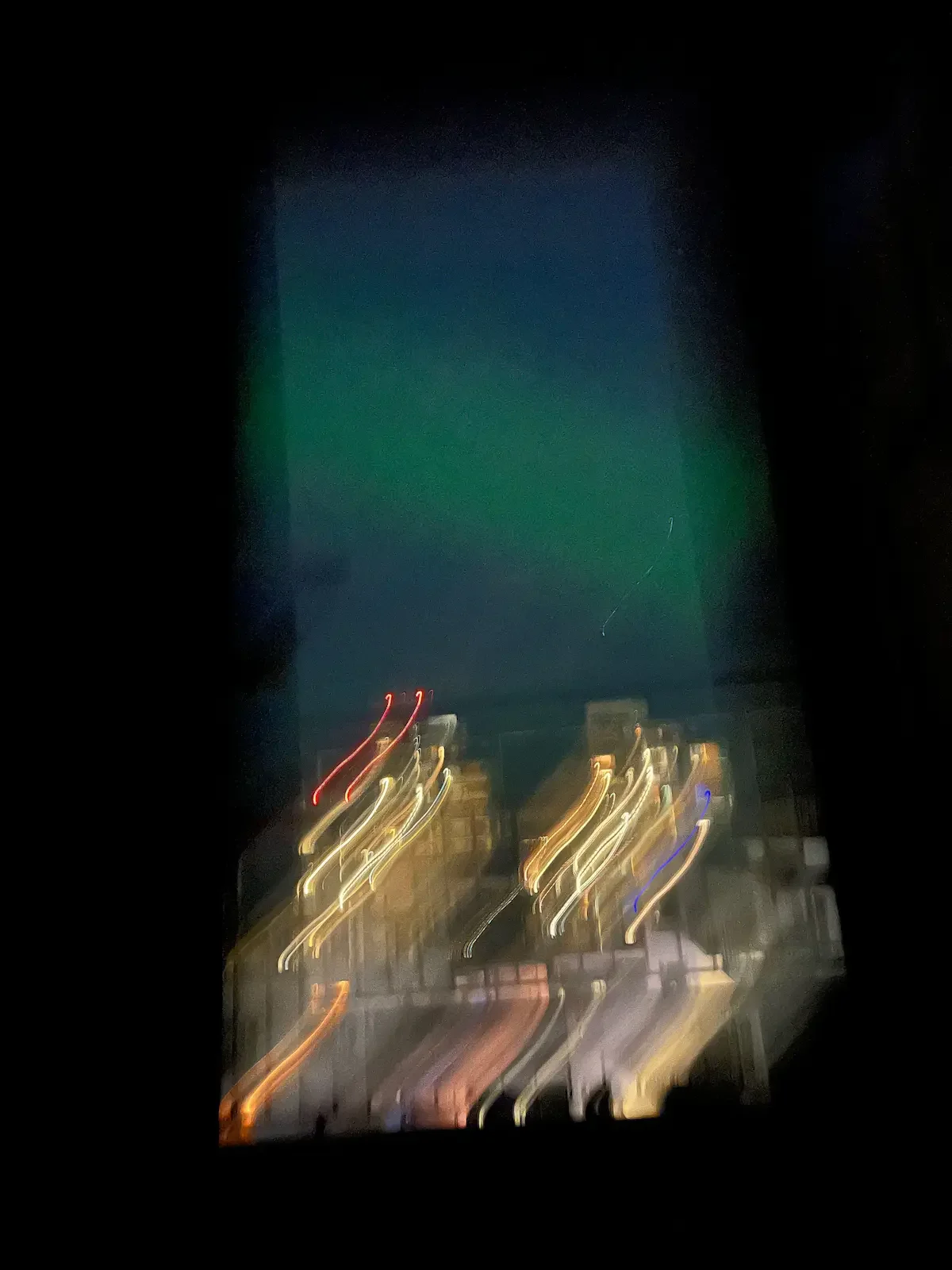
Photo from Reykjavik in our Iceland Northern Lights gallery.
How light pollution affects wildlife and the environment
Yes it’s a shame that you can’t always watch what you want whenever you want because of light pollution, but the problem goes way beyond that. It can disrupt the natural rhythms in birds and other wildlife.
Artificial light can interfere with the feeding, migration, reproduction and predator avoidance of nocturnal animals, and insects attracted to lights, with bats even avoiding illuminated flight routes. If it’s messing up the natural patterns of wildlife and insects, then it’s going to have a negative impact on the health of the ecosystem. Even the smallest of change can cause some kind of difference.
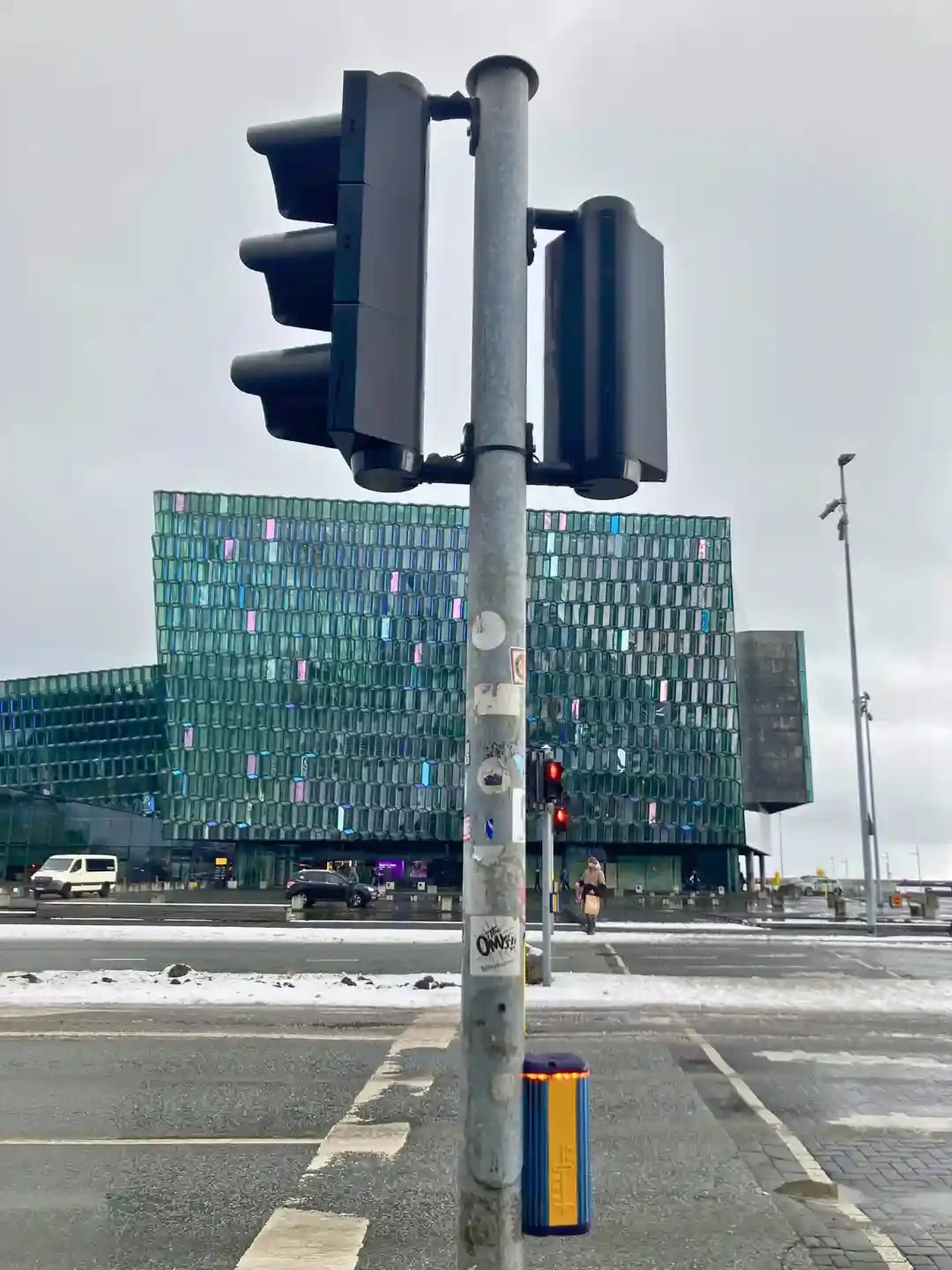
Photo in Reykjavik from our Iceland Reykjavik gallery.
Dark skies, human health and wellbeing
Our bodies follow a natural 24-hour cycle known as the circadian rhythm, which helps regulate when we feel awake and sleepy. Light is one of the main signals that keeps this internal clock in sync, and exposure to bright artificial light late in the evening can interfere with melatonin release and make it harder to fall asleep, according to the US National Institutes of Health.
Streetlights shining through bedroom windows, security floodlights and brightly lit homes can all contribute to unwanted light at night. Reducing this exposure by closing curtains, switching off unnecessary lights and choosing softer evening lighting can help create a darker, more restful sleeping environment.
However, darkness isn't simply something we need for sleep; it can also be an opportunity to reconnect with nature. Research reviewing nature-based outdoor activities has found benefits for several aspects of mental health, including anxiety and mood. While the specific wellbeing effects of stargazing need more direct research, taking time to observe the night sky can offer a simple opportunity to slow down and reconnect with the natural world.
(University of York).
For many, these simple experiences offer a welcome pause from busy, screen-filled lives. By protecting dark skies, we can support healthier natural rhythms while rediscovering the wonder of the world after sunset.
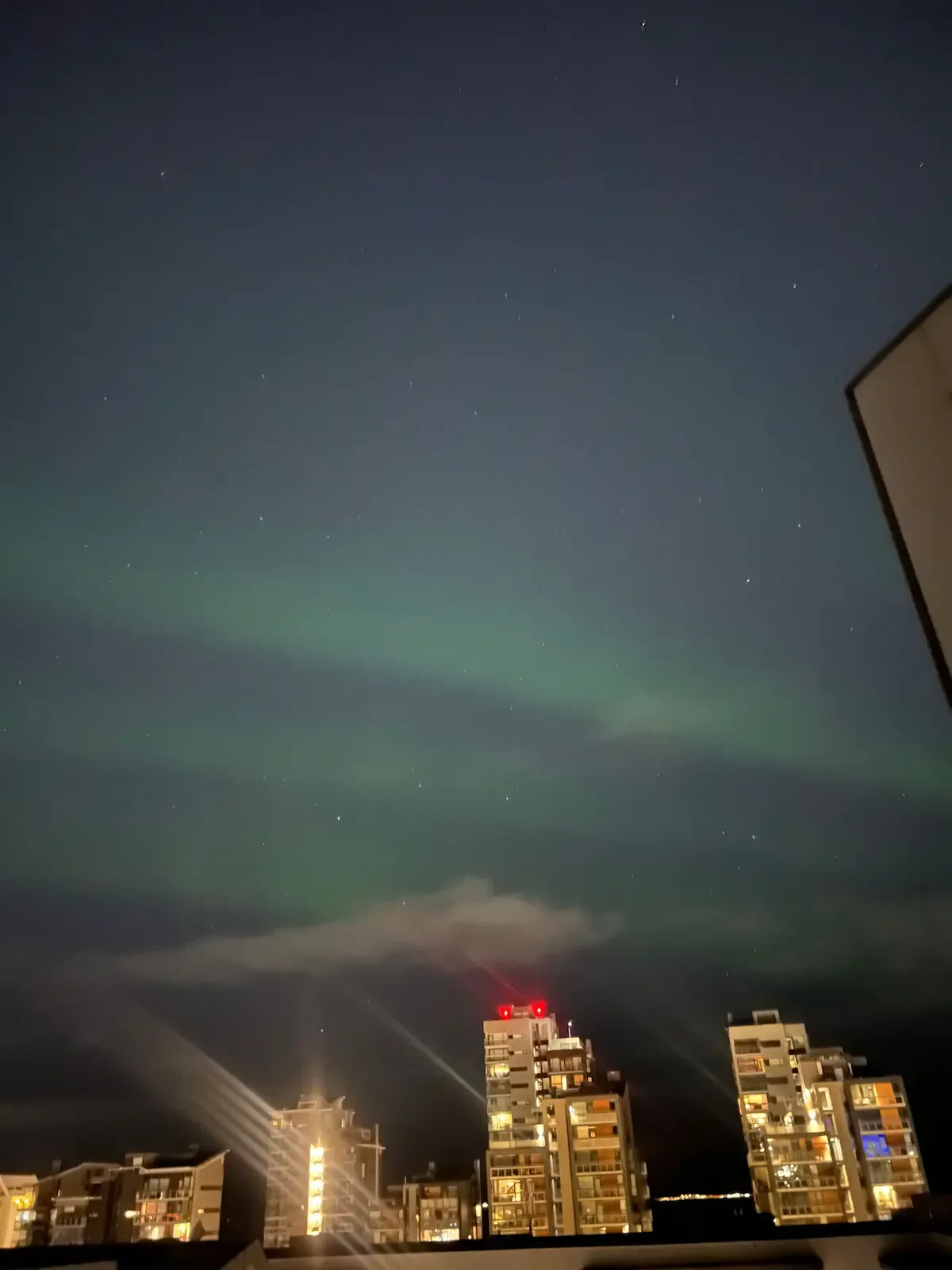
Light pollution outside of Reykjavik from our Iceland Northern Lights gallery.
Discover the Dark Skies Fringe Festival
This week is the Dark Skies Fringe Festival in the Yorkshire Dales National Park, with events encouraging people to explore the night-time environment such as late-night stargazing, a UV fungi walk and a Whitby night photography workshop… but you don't need to live in a national park to participate! Turning off a garden light, noticing the moon from a window or taking a quiet evening walk can be great first steps for dipping your toes in.
If you fancy learning to experience the night differently, check out the Dark Skies Festival site for more ideas, and event locations and booking info.
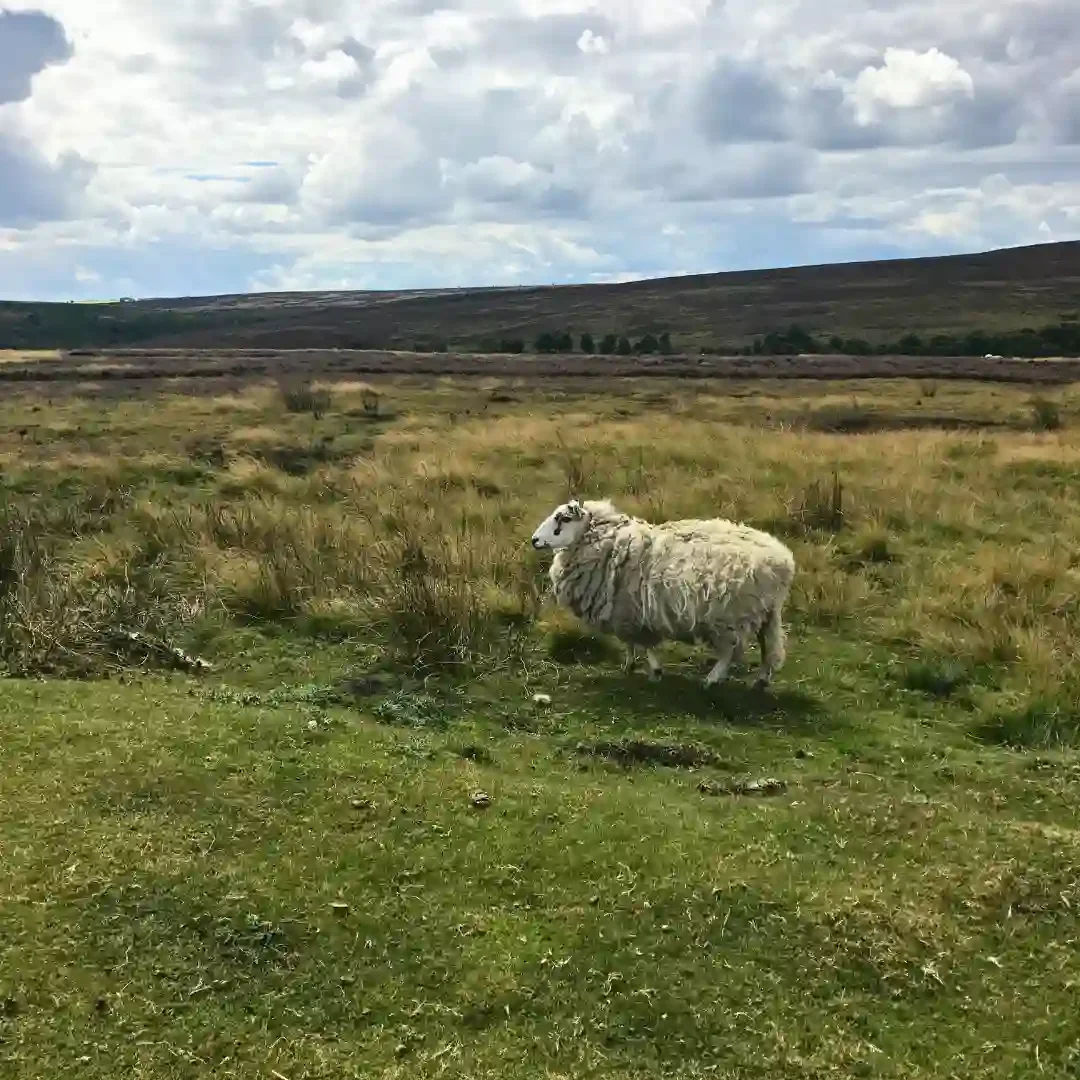
Photo of a sheep on the Yorkshire Moors.
How to reduce light pollution in urban areas
~ Switch off unnecessary outdoor lights.
~ Use motion sensors and timers.
~ Choose fully shielded downward-facing lights.
~ Use the lowest practical brightness.
~ Close curtains at night and choose warmer-coloured bulbs where suitable.
~ Consider neighbours and wildlife when choosing lighting.

Photo from our Nature Inspired Interiors gallery.
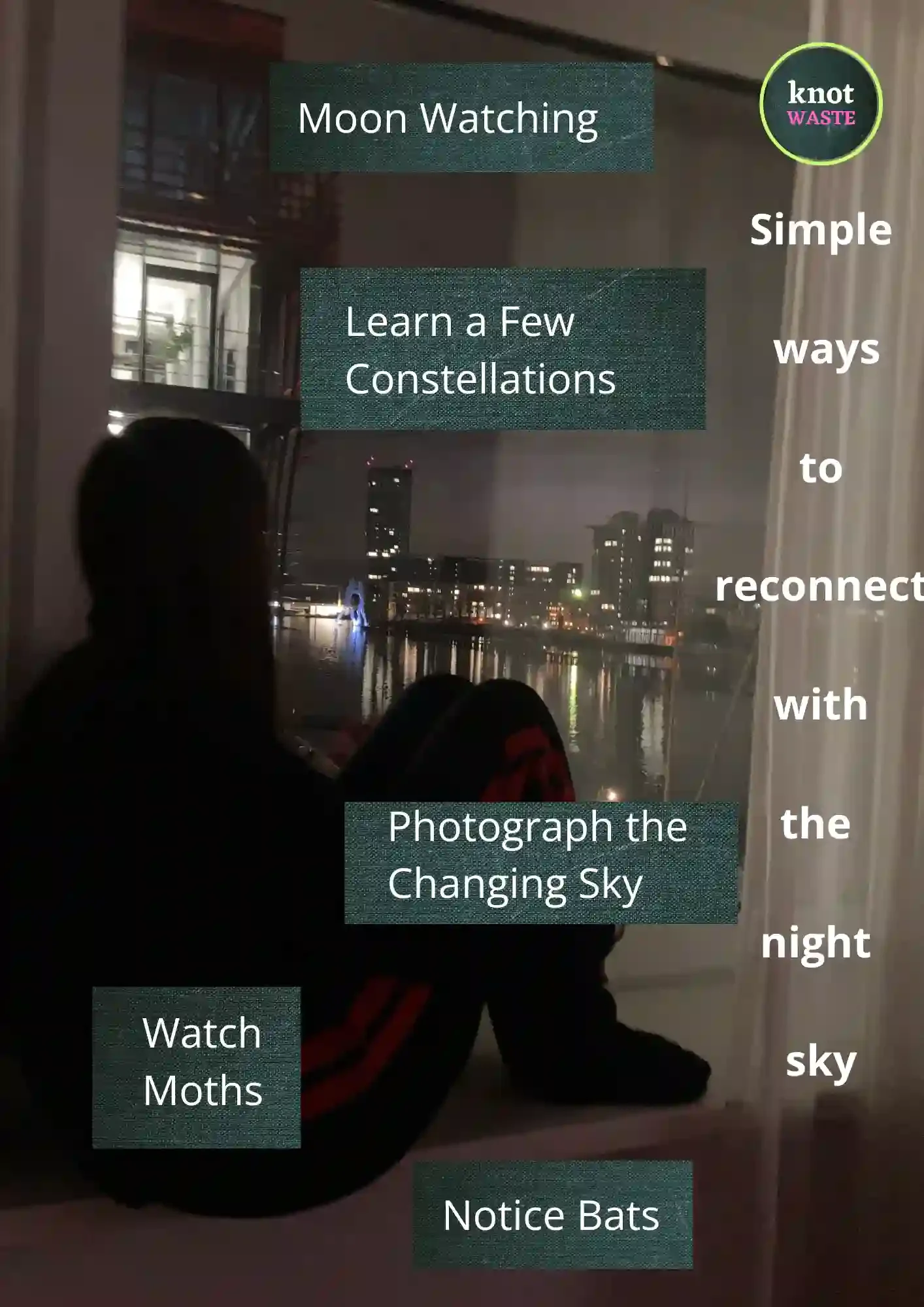
Simple ways to reconnect with the night sky
You don’t need to travel to a remote dark-sky destination: even noticing the Moon, clouds and brightest stars from a garden, balcony or local park can build a nature-noticing habit.
Let the night be night
Switch off one unnecessary light, look up at the sky tonight and consider how small changes benefit wildlife, the environment and our relationship with nature.
Read our latest Substack to learn how we’ve been turning nature activities into nature crafts with a Thrift Store Handbag Upcycle.
More Ideas: Simple Ways to Lower Stress and Improve Mental Health.