
How Litter Affects Climate Change
And What We Can Do About it.
Lots of people think that chucking a couple of crisp packets onto the street will just make an area look scruffy, but that’s not the only issue. When we see litter on the street, it’s normalising overconsumption and throwaway habits, and we all know how that impacts climate change.
The less litter we have, the better for climate action and Public Health. Every time we buy single-use plastic, we’re contributing to long-term environmental damage. They contribute to carbon emissions long before they even become litter!
“Single-use relates to items that are only used once before they're thrown away. The problem with 'plastic waste' is that it doesn't break down, it only breaks up into smaller and smaller parts. This impacts the environment and wildlife for years to come,” - RSPCA.
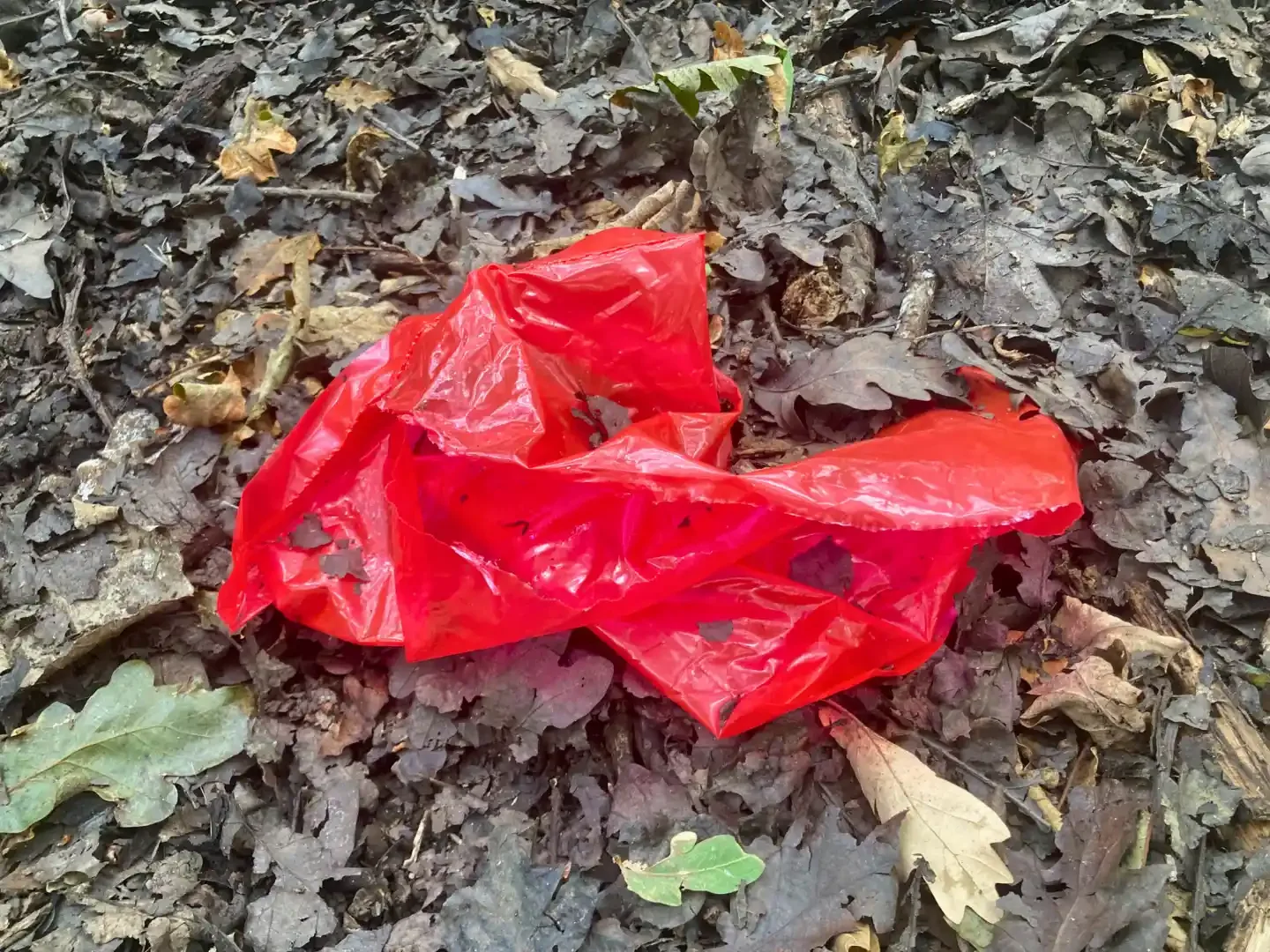
Copyright Knot Waste: North West, UK - Plastic Pollution in a Forest.
5 Ways Litter Contributes to Climate Change
1) Litter Increases Landfill Waste
When you do your weekly big shop, just think of all of the packaging that gets thrown away. Or if you treat yourself to a takeaway at the weekend, your bin soon fills up with cartons and containers. Tonnes of unnecessary waste streams because the companies didn’t bother factoring sustainable packaging into their business plans.
If we can’t recycle items, or if we can’t be bothered recycling items, then they all end up in landfill. If it’s not plastic taking decades to decompose, then it’s organic waste releasing the powerful greenhouse gas, methane as it decomposes, which contributes to global warming.
2) Plastic Production Creates Carbon Emissions
Single-use plastic is everywhere, from drinking bottles or straws, to household products like shower gels and shampoos.
Did you know that most plastic is made with fossil fuels like oil and natural gas? (Greenpeace) That hurts the climate even if the plastic itself isn’t burned. The plastic crisis and the climate crisis are more closely linked than you realise. Manufacturing plastic products also uses large amounts of energy, meaning single-use plastics contribute to carbon emissions long before they even become litter.
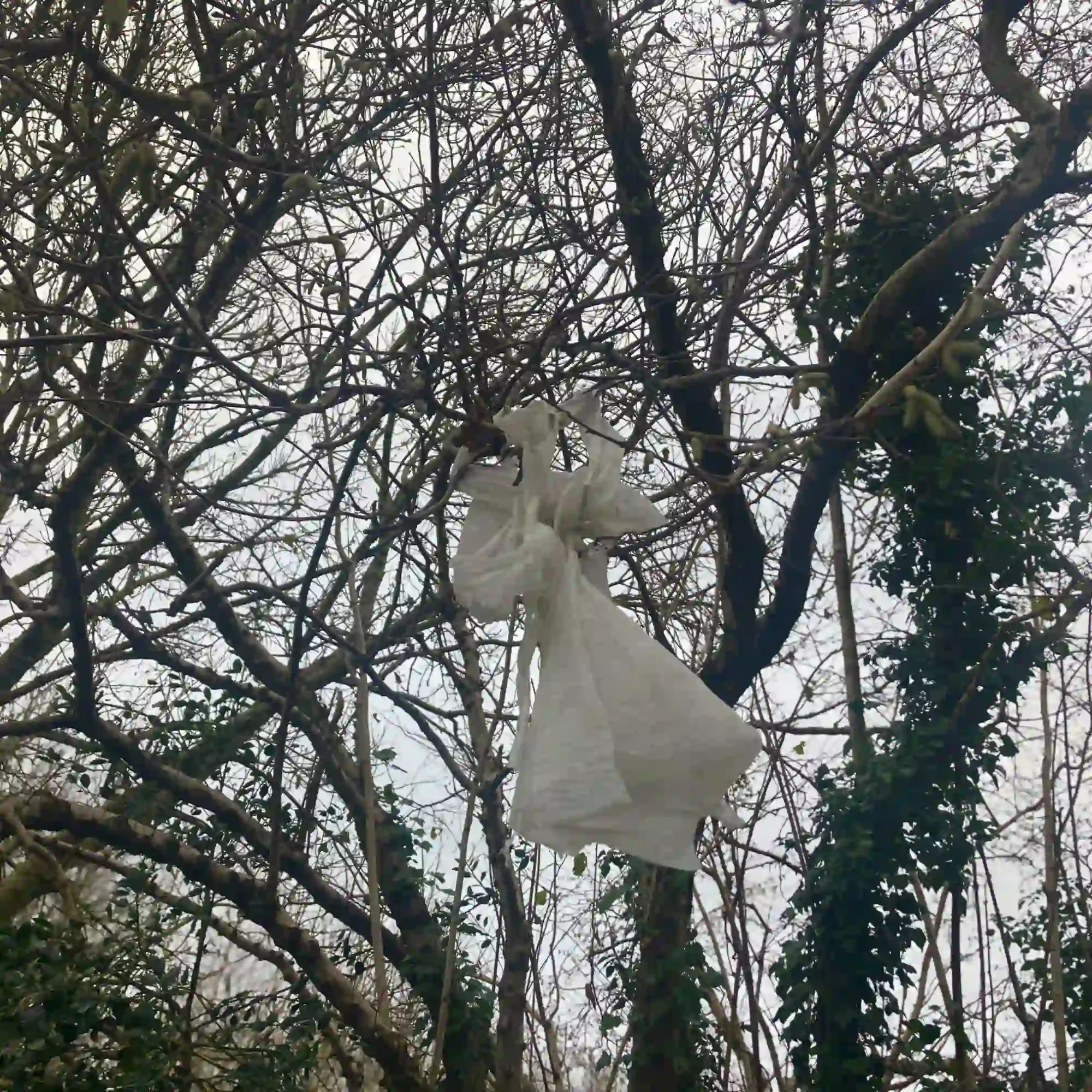
Copyright Knot Waste: North West, UK - Plastic Pollution in a tree.
3. Litter Pollutes Oceans and Damages Carbon-Storing Ecosystems
The new normal is having a dip in the ocean on your holidays and feeling something brush past your toes… and that’s not some big lovely fish, but rather a chippy wrapper.
Marine litter like plastic, textiles or even old fishing gear harms ecosystems like seagrass meadows, mangroves, and wetlands. These ecosystems naturally absorb carbon dioxide from the atmosphere, and damaging them weakens the planet’s natural carbon storage systems.
The litter damages marine roots, and stops tidal flushing which controls water quality by cycling out pollutants and sediments, keeping nutrients circulating. It’s all a threat to biodiversity; the variety of all living things on Earth and how they interact (WHO). AND Why does biodiversity matter? The Natural History Museum lists three main reasons:
Ecosystem Resilience: Helps us to better adapt to disease outbreaks, climate disruptions, and environmental changes.
Survival & Resources: It supplies humanity with fresh water, clean air, soil fertility, and food.
Medicine & Innovation: We get a significant portion of modern pharmaceuticals and medical treatments from biological sources.
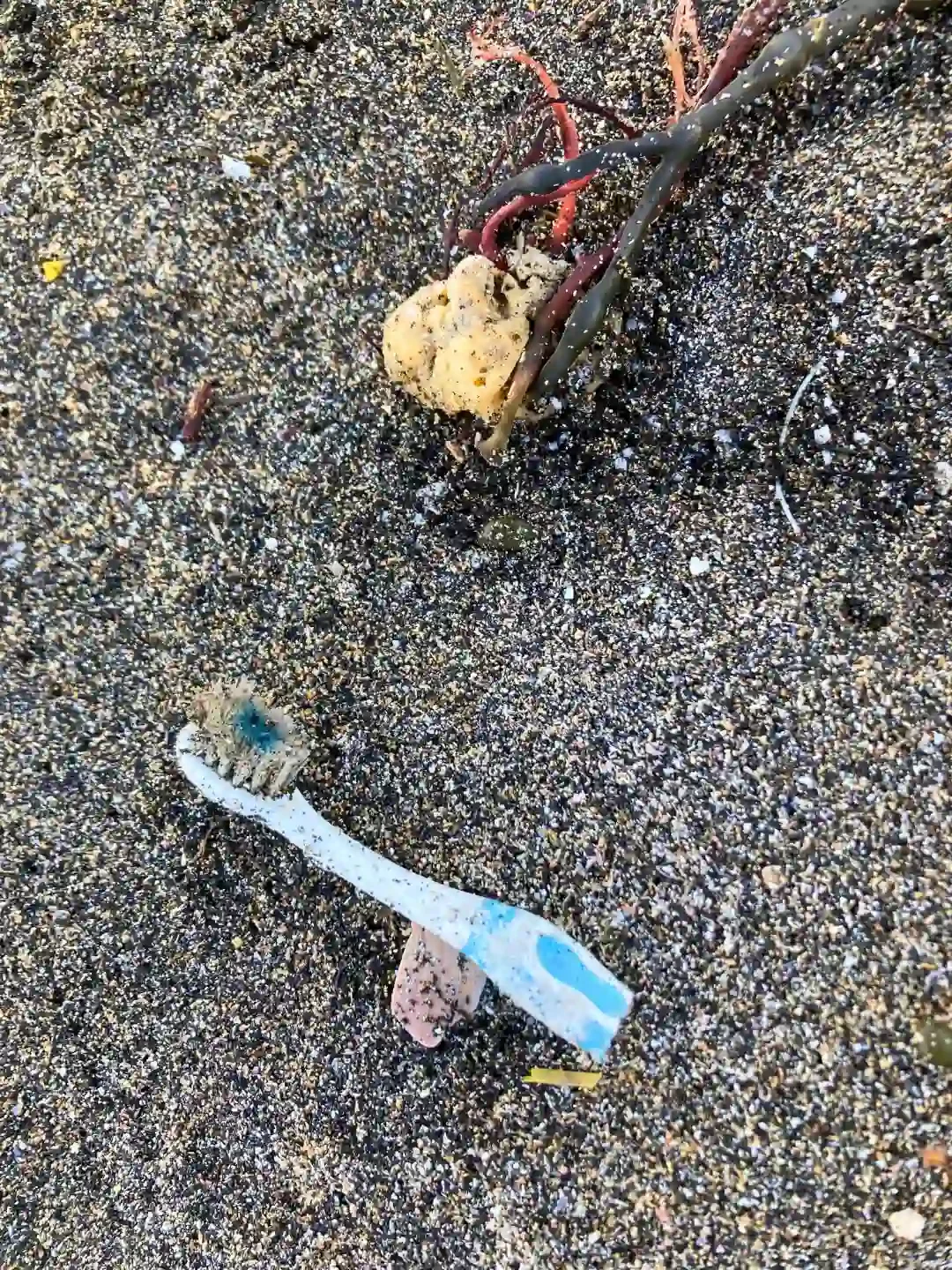
Copyright Knot Waste: Reykjavik, Iceland - Marine Litter on a Beach.
4. Cleaning Up Litter Uses Energy and Resources
Now let's talk about the financial burden on local communities and taxpayers that cleaning up litter causes. For everyday litter like pop cans or chewing gum, councils and organisations have to spend fuel, electricity, water, and manpower getting rid. Street sweepers, bin lorries, and waste processing all create emissions.
Now, think about the carbon involved when you feel like fly-tipping your old washing machine. It’s also fair to say that communities who fly-tip are probably communities that can’t afford to have bigger items professionally removed. That’s an issue for another day, but maybe if we create less everyday litter, then it’d free up revenue streams for councils to remove bigger items for free, or cheaper at least.
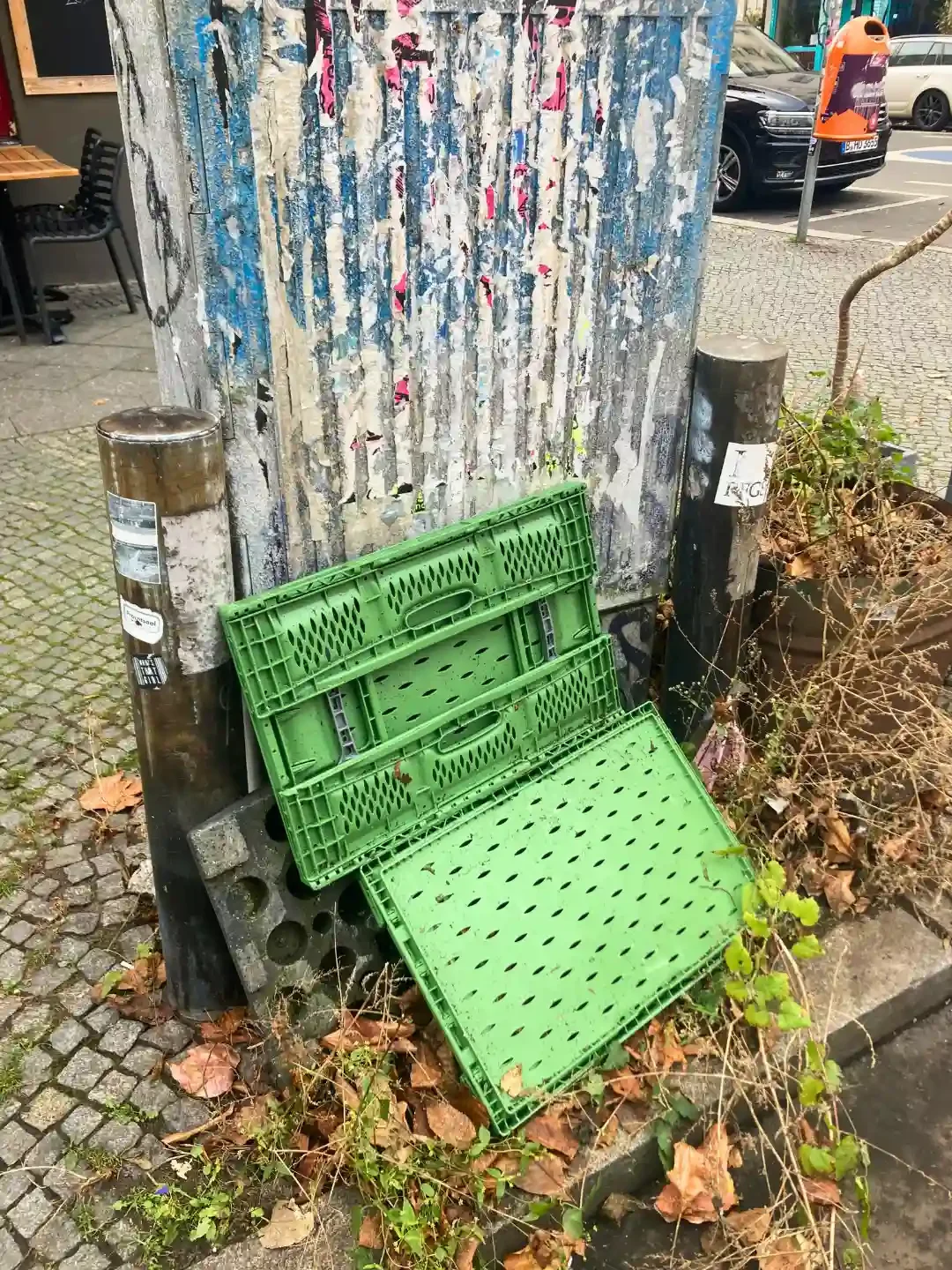
Copyright Knot Waste: Berlin, Germany - Fly-Tipping in Kreuzberg.
5. Litter Encourages a Throwaway Culture
The more litter we see, the more normal overconsumption and throwaway habits become. The more we want to buy, the more is made, meaning more manufacturing, packaging, and waste. Increased consumption is a key driver of global climate change, and the link between what we buy and the climate is measurable.
“Up to 60% of all greenhouse gases can be traced to the production and lifecycle of household products and services. The average product generates carbon emissions over 6 times its own weight”
- Columbia Climate School.
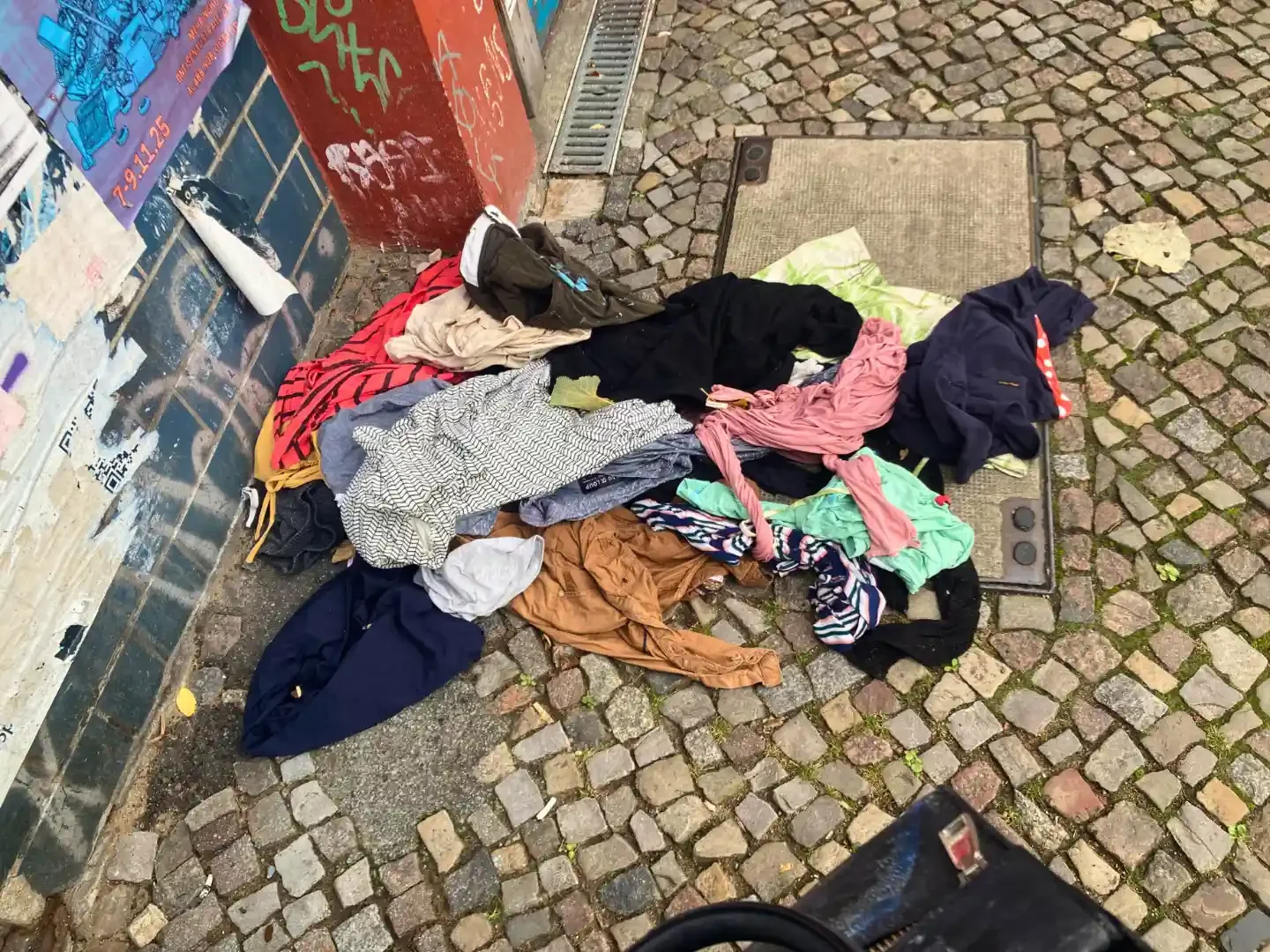
Copyright Knot Waste: Berlin, Germany - Street in Kreuzberg.
How We Can Reduce Litter and Protect the Climate
Together little actions have a big impact. It’s not just the governments and local councils responsibility to encourage positive change. We can all take part in community-led environmental action and urban greening initiatives. Here are some ideas to get you started.
~ Use reusable bottles, cups, and shopping bags'.
~ Recycle correctly.
~ Choose products with less packaging.
~ Join local litter picks.
~ Support businesses using sustainable packaging.
~ Dispose of cigarette butts responsibly.
~ Educate children and communities about waste reduction.
~ Report fly-tipping.
~ Buy less and reuse more.
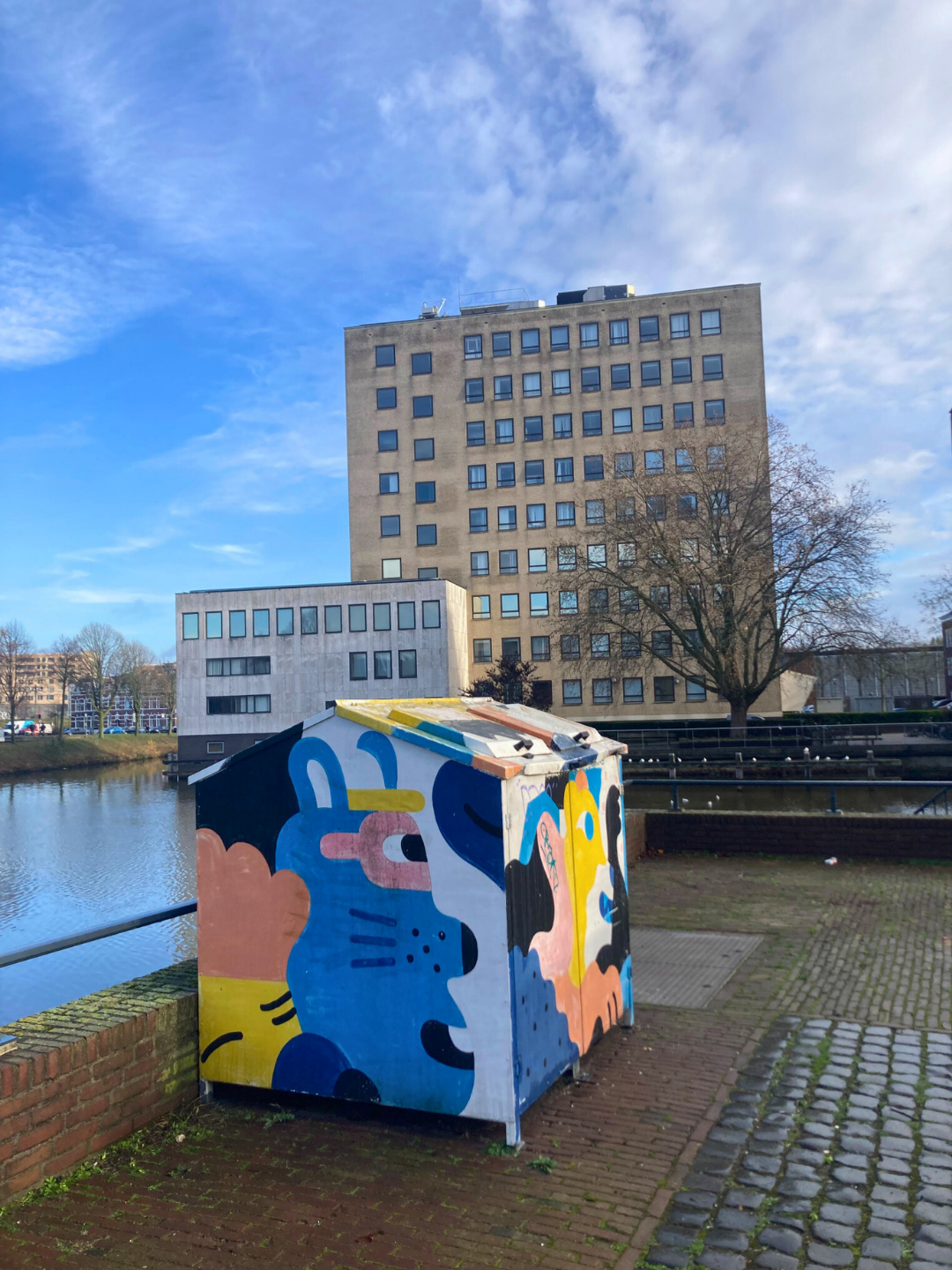
Copyright Knot Waste: Breda, The Netherlands - An Urban Recycling Bin
Next time you toss a crisp bag, remind yourself that you’re not just making your area look scruffy but also contributing to climate change. Why not help Keep Britain Tidy and take part in a local litter pick. Litter-picking shouldn’t be an embarrassing hobby, or some form of punishment. It’s a symbol that you care and a meaningful step towards a more sustainable future for everyone.
Cleaner streets, parks, and waterways support healthier communities and ecosystems. We can all play a part.