
Food Waste at Home
Simple Ways to Make the Most of What You Have
When we hear about food waste, we often think about large chains chucking away excess food at the end of the day, or refusing to sell veg when it’s a bit wonky. It seems like a global problem that the ordinary person can’t get involved with but the reality is that our own kitchens are one place that we can make a difference.
We’re far from being domestic goddesses but every now and then we have a bake. Last weekend when we baked an apple crumble, we found ourselves looking at all of the apple peel left behind and wondering: could it be used rather than thrown away?
After a short google, it turns out that it can be turned into apple peel tea, and made us realise that maybe we can look at all food scraps differently.
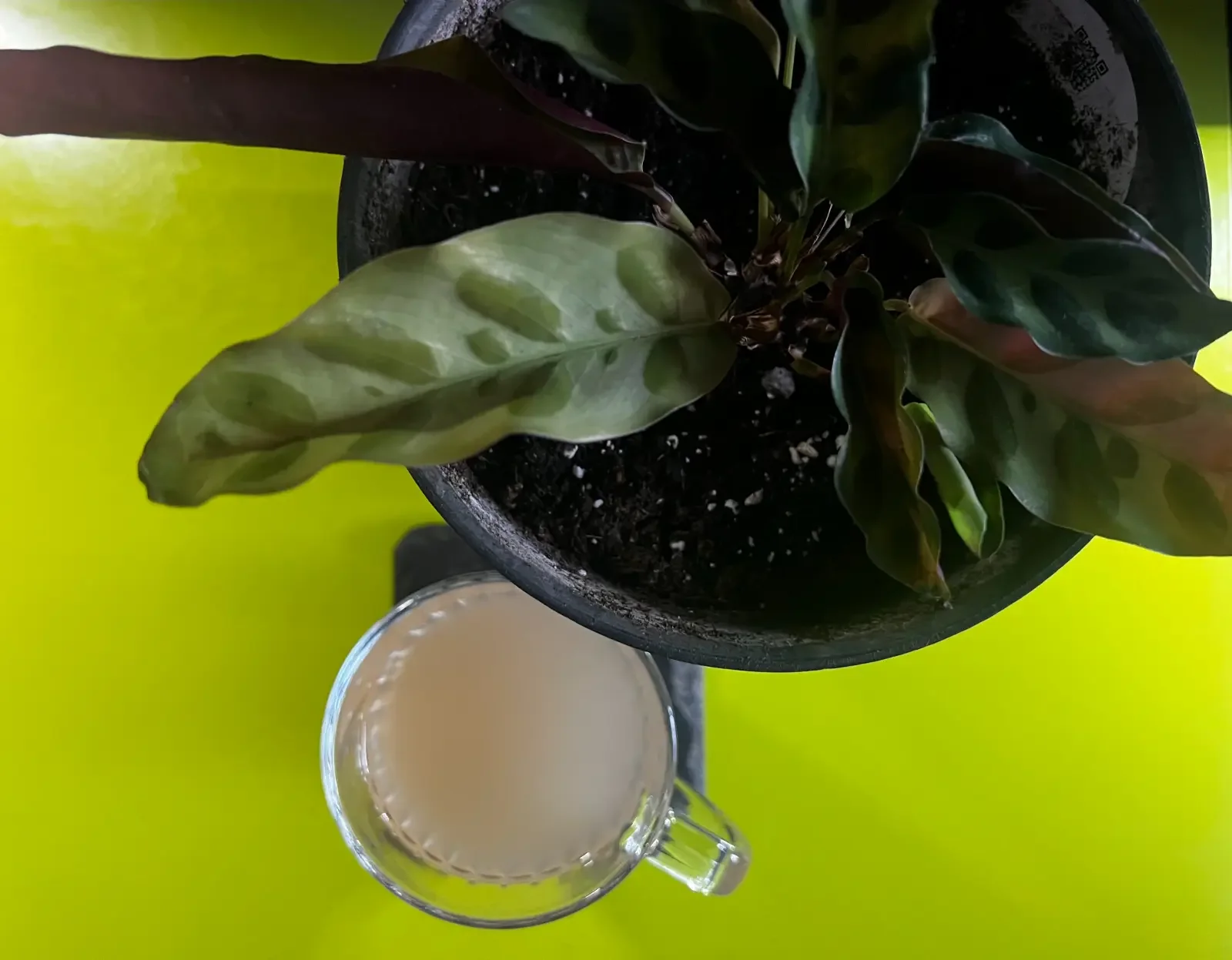
Apple Peels to Drinks.
What is the World Day of Awareness of Food Loss and Waste?
The International Day of Awareness of Food Loss and Waste (IDAFLW) takes place every year on 29 September. Created by the UN, it aims to raise awareness and encourage action to reduce food loss and waste.
“UN Goals aim to halve per-capita food waste at retail and consumer level and reduce food losses along production and supply chains by 2030” - FAO.
What’s the difference between food loss and food waste?
Think of food loss as happening during production, harvesting, storage, processing and distribution, whereas food waste happens in shops, restaurants and our homes. According to the UN some causes of household food waste are poor meal planning, buying too much, confusing the best before and use by dates, and poor storage.

Why does food waste matter?
Shopping at supermarkets is so convenient that most of us forget about everything that’s involved just to get it onto the shelf. Producing food requires land, water, energy, soil, transport, human labour, packaging and other resources. So every time we over-buy and chuck stuff away, we’re ultimately wasting all of those resources.
The FAO describes reducing food loss and waste as important for food security, natural resources and the environment. Reducing food waste is therefore another way of paying attention to our relationship with the natural world.

Photo from our Urban Litter Gallery
7 simple ways to reduce food waste at home
1. Plan Before you Shop
Check the fridge, freezer and cupboards before writing your shopping list. Plan a few meals around ingredients you already have.
2. Don't Shop on Autopilot
It's easy to buy food because it's on offer or looks appealing. Ask yourself whether you'll realistically eat it before it goes off.
3. Learn the Difference between 'Use By' and 'Best Before'
Use-by dates relate to food safety, while best-before dates are generally about quality. So, don’t eat food past a use-by date.
4. Store Food Properly
Try freezing bread, storing potatoes somewhere cool and dark, and using airtight containers for appropriate foods. Tips and tricks for storing your food are just a google away.
5. Freeze Before It's Too Late
Fruit, bread, leftovers and many cooked foods can be frozen rather than forgotten about at the back of the fridge.
6. Get Creative with Leftovers
Vegetable Scraps → Stock
Stale Bread → Breadcrumbs or Croutons
Overripe Bananas → Banana Bread
Cooked Vegetables → Soup
Fruit Scraps → Drinks
7. Challenge Yourself to Use What You Already Have
Create a “use-it-up” meal once a week. Rather than starting with a recipe, start with what's already in your kitchen.
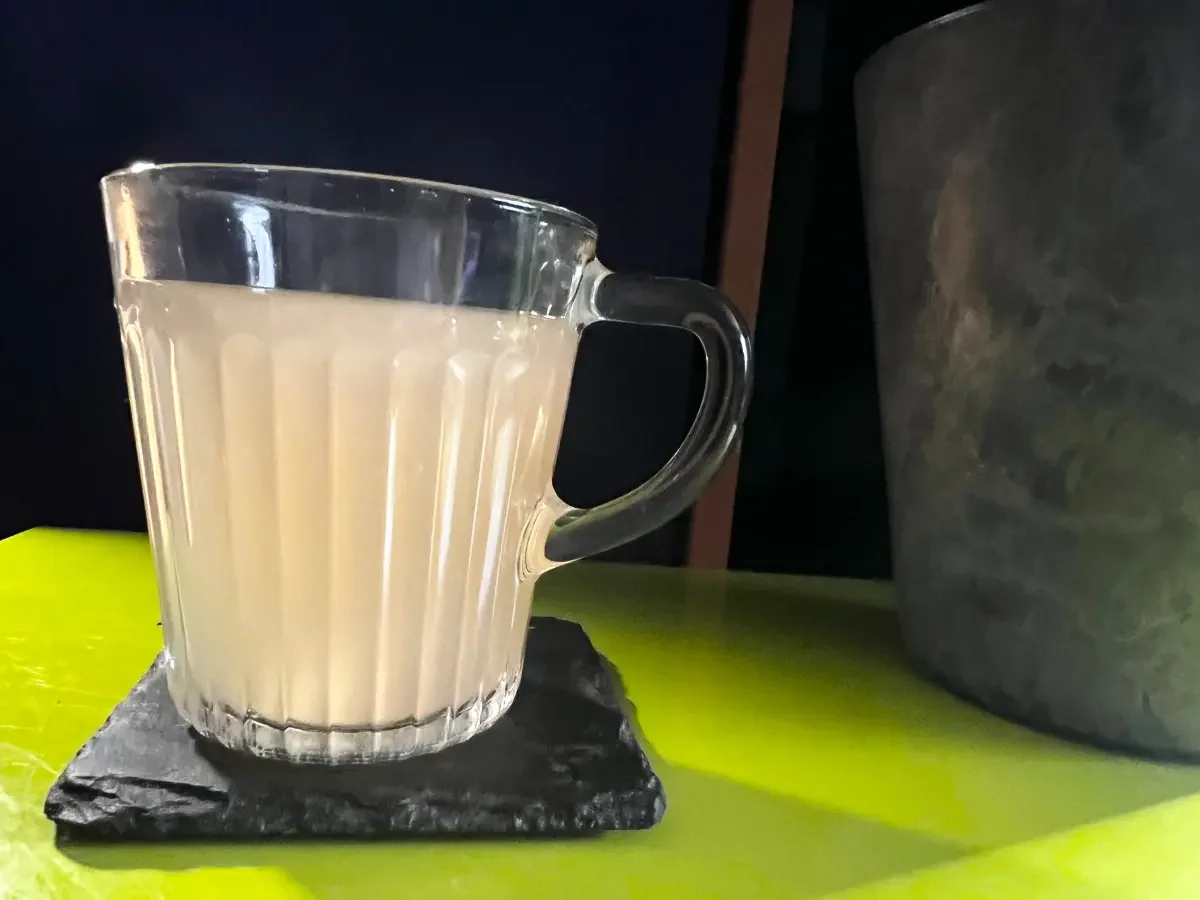
Nothing Wasted: Apple Peel Chia Tea
My apple peel tea experiment
Above’s the tea that we made from the left-over apple peels from our apple crumble. Unfortunately the apple crumble looked more like a bowl of cheesy chips but still tasted fine once covered in custard. The apple peel tea however turned out a treat! Here’s what to do:
Bring apple peel and cores to the boil in a pan of water.
Let it simmer for 40 mins.
Add in a twig of cinnamon, a few cloves, and a bit of ginger.
Let it simmer for a further 15 mins.
Sieve out the bits.
Serve in your favourite mug.
It was a tiny experiment, but it made us think differently about food waste. The peel wasn't simply something left over from making the crumble… it was another ingredient waiting to be used.
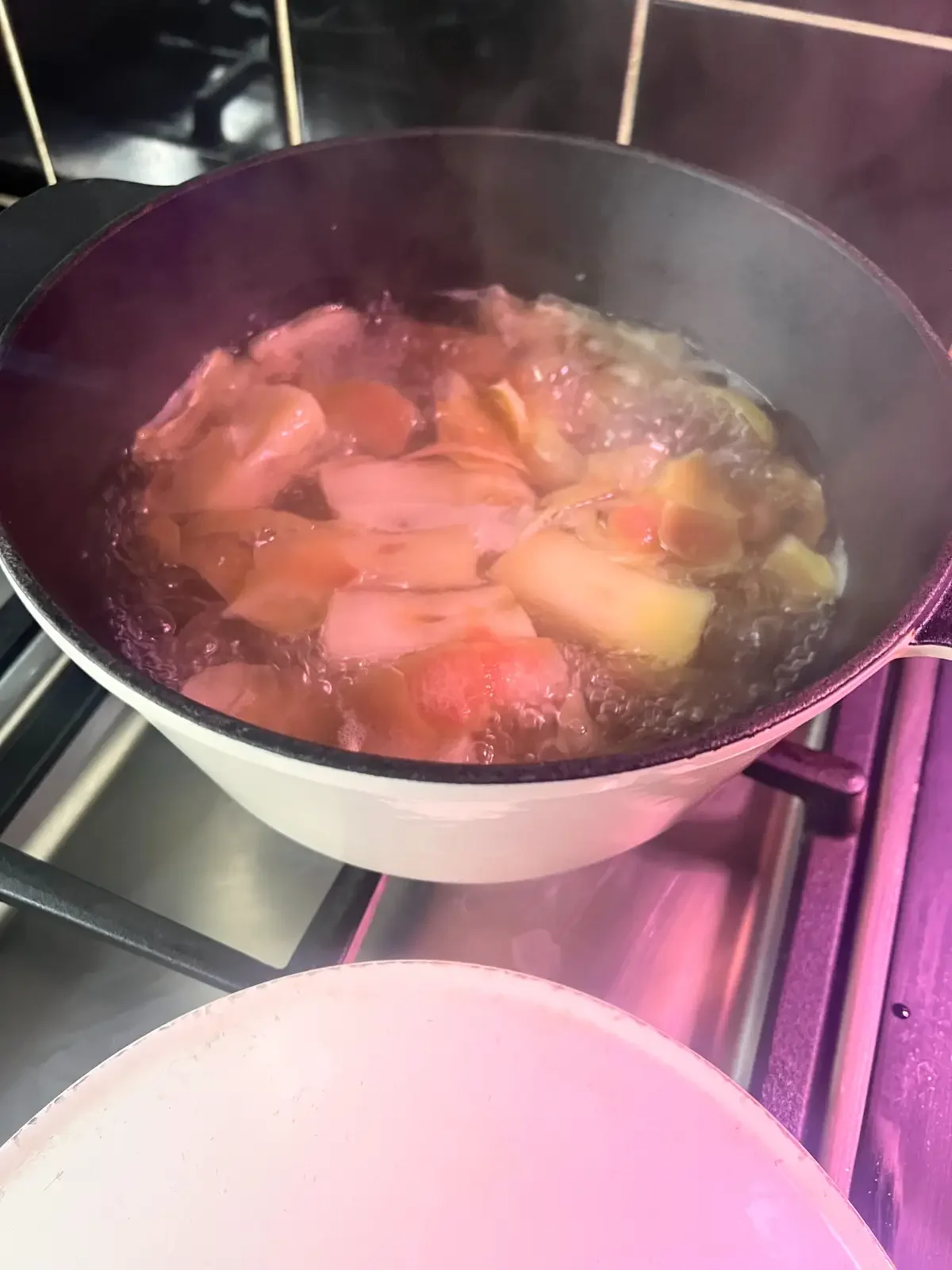
Simmering apple peels.
Turn food waste into a nature connection activity
Wasting less can begin with simply paying more attention. Rather than treating food waste reduction as another household chore, treat it as an experiment in noticing. Maybe try guilt-tripping yourself first. Think about all of the resources that went into producing that food, then notice what normally gets thrown away, and think could it be used in another meal? Could it be preserved or freezed?
So, the next time you're about to chuck something away, stop in your tracks and think: Don't fling it, find another use for it!