
World Cleanup Day 2026
How Litter Picking Can Reconnect Us With Nature
When you walk through woods that are filled with empty crisp bags, or watch the news and hear about marine animals choking on chunks of plastic, a World Cleanup Day has to become a trendier thing sooner or later.
On the 20th September, armed with a litter picker in one hand and a bin bag in the other, people came together to tackle waste in their communities. One person, one bag, one patch of ground can seem like a very small environmental action but collectively these actions can have a much bigger impact.
Cleaning up our local environment isn't just about removing rubbish. It can also change the way we look at the places around us, helping us notice and connect with nature on our doorstep.

Copyright Knot Waste: Snapped in Reykjavik, Iceland.
What is World Cleanup Day?
Individuals, schools, community groups, businesses and organisations can organise or join clean-up activities. It first started in Estonia in 2008, with the first global World Cleanup Day taking place in 2018. It became an official UN observance in 2024, and annually takes place annually on 20 September.
“Since 2018, 139 million people across 211 countries and territories had participated by the end of 2025, collecting more than 870,000 tonnes of waste,” - World Clean Up Day.

Copyright Knot Waste: Photo from Urban Litter Gallery.
Why does keeping nature tidy matter?
Urban Litter and pollution negatively impacts just about everything from our own health to the environment around us. Whether it’s wildlife or our pet cats and dogs out for a walk, animals can choke on or get trapped in discarded litter. Litter doesn’t just on the streets either, rain and wind can wash it down drains, streams or rivers, and eventually into the sea. Plastics can break down into smaller pieces and it all contributes to the wider problem of plastic pollution.
Most people don’t enjoy looking at choccy wrappers whilst strolling through a park, or watching a shitty wet-one float along the river whilst eating butties at their favourite sit-spot. Cleaner spaces can change how we experience nature. Sometimes caring for nature starts with simply paying attention to it.

Copyright Knot Waste: From Urban Animals Gallery.
World Cleanup Day 2026: What happened around the world?
“Preliminary World Cleanup Day figures indicate that millions of people participated across more than 192 countries and territories this year. Final results are still being verified,” - World Clean Up Day.
That’s a big clean-up that’s been going on. There have been many local litter-picks like at Isabella Heap in Blyth. That’s actually a former colliery pit heap in Northumberland, that has been transformed into a community green space and nature reserve.
Litter isn't only an urban problem, in Europe, 27 volunteers collected approximately 15 cubic metres of rubbish washed ashore on the uninhabited German North Sea island of Mellum. It just shows you that waste can travel considerable distances and reach remote natural environments.
Further afield, the Coastal Cleanup Day activity in Orange County, California removed more than 16,700 pounds of rubbish, with 2,300 volunteers took part across 36 beach and waterway events.
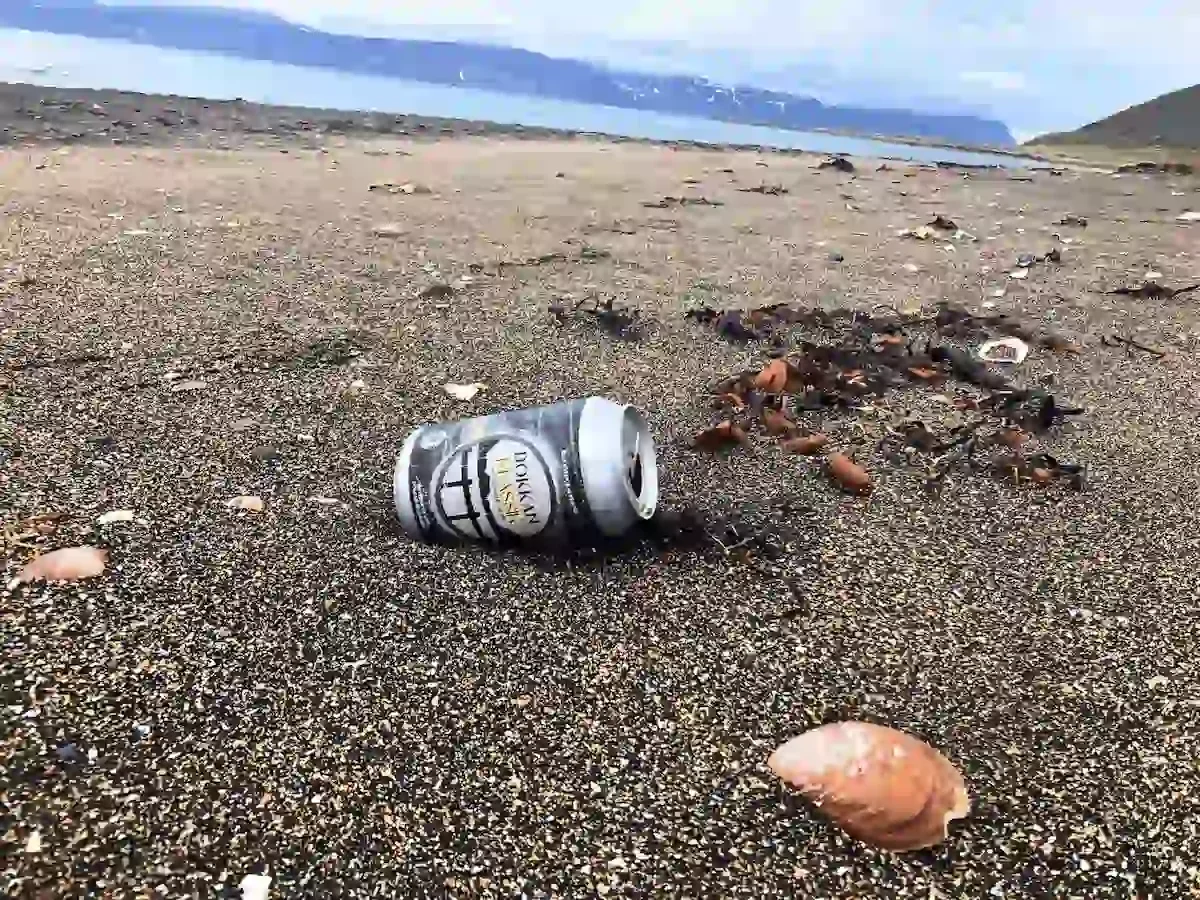
Copyright Knot Waste: Litter on the shore at Hesteyri abandoned village, Iceland.
How litter picking can improve your connection with nature
Instead of walking through nature without really seeing it, litter-picking slows you down and makes you become actively engaged with your surroundings. You notice things that you'd normally walk past like the way nature is reclaiming urban spaces, wildflowers attracting insects and pollinators, or unusual fungi that seems otherworldly. Nature Activities help you to see your usual urban environments differently.

Copyright Knot Waste: From Litter in Nature Gallery
7 ways to keep helping after World Cleanup Day
1. Take a Litter-Picking Walk
Pop a reusable bag and a pair of gloves into your pocket and use them on your next nature walk.
2. Adopt a Small Area
Choose one street, park, canal path or patch of woodland and return regularly.
3. Join a Local Litter-Picking Group
Find community groups, conservation organisations and local authority schemes.
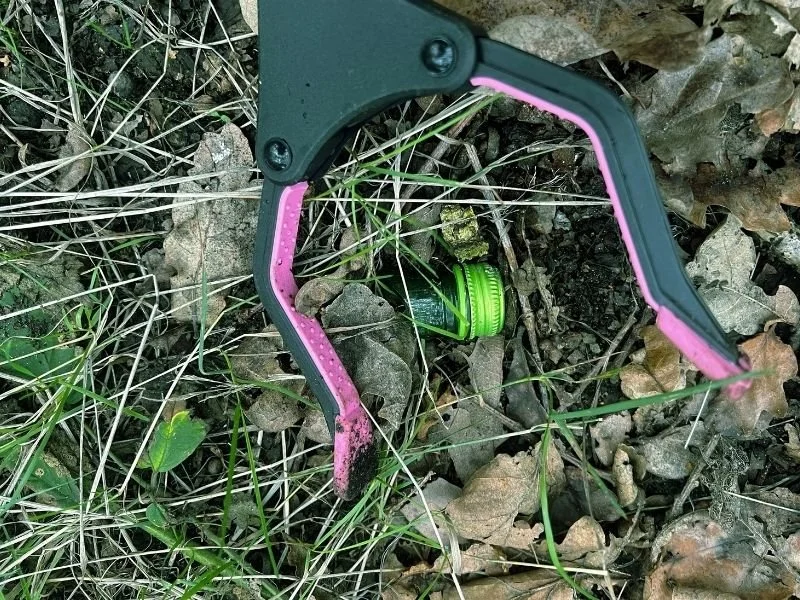
Copyright Knot Waste: North West, UK - Litterpicker & Urban Waste.
4. Try a Beach Clean
If you're visiting the coast, see if local organisations run beach cleans.
5. Record What You Find
Some litter-picking groups record the types and quantities of rubbish collected, creating useful information about local pollution.
6. Prevent Waste
As well as removing waste, prevent it in the first place. Buy less, reuse items, repair things, avoid unnecessary packaging and reduce food waste.
7. Make It A Nature-Connection Activity
Rather than simply counting bags of rubbish, spend some time noticing what is growing, flying, crawling and changing around you.

Copyright Knot Waste: From the Urban Greening Gallery.
Don't wait for the next World Cleanup Day
The 20th September is one day, but caring for the places around us can become a year-round habit.
World Cleanup Day shows what can happen when people come together, but you don't need to wait for an organised event to make a difference. The next time you walk through your local park, along a river or down your street, take a pair of gloves and a bag with you. Pick up a few pieces of litter, and then stop for a moment to notice the nature around you.
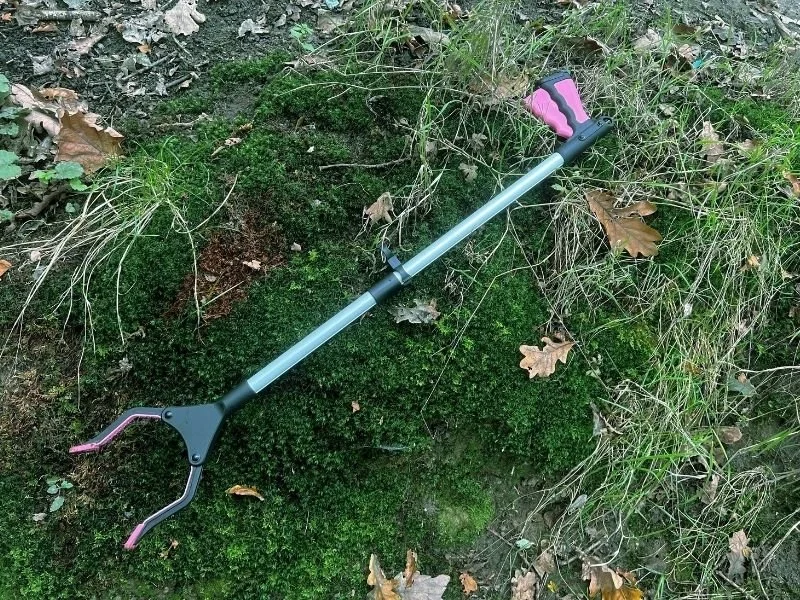
Copyright Knot Waste: North West, UK - Litterpicker in a Woods.
Looking after nature and connecting with nature don't have to be separate activities. Sometimes, one can lead to the other.
Read Now: How Litter Affects Climate Change