
Growing Food When You Don't Have an Allotment
From community gardens to edible verges.
At the moment it’s quite trendy to have an allotment but having your own is often easier said than done. Whether it’s too much of a financial burden to take on, or there aren’t any plots available, it’s not the end of the world as we’ve found some great alternatives.
But first… We want to mention that this week is National Allotments Week. It’s running from 10–16 August 2026 and is organised by the National Allotment Society. This year's theme is ‘Grow to Learn – Lifelong Lessons from the Allotment’.
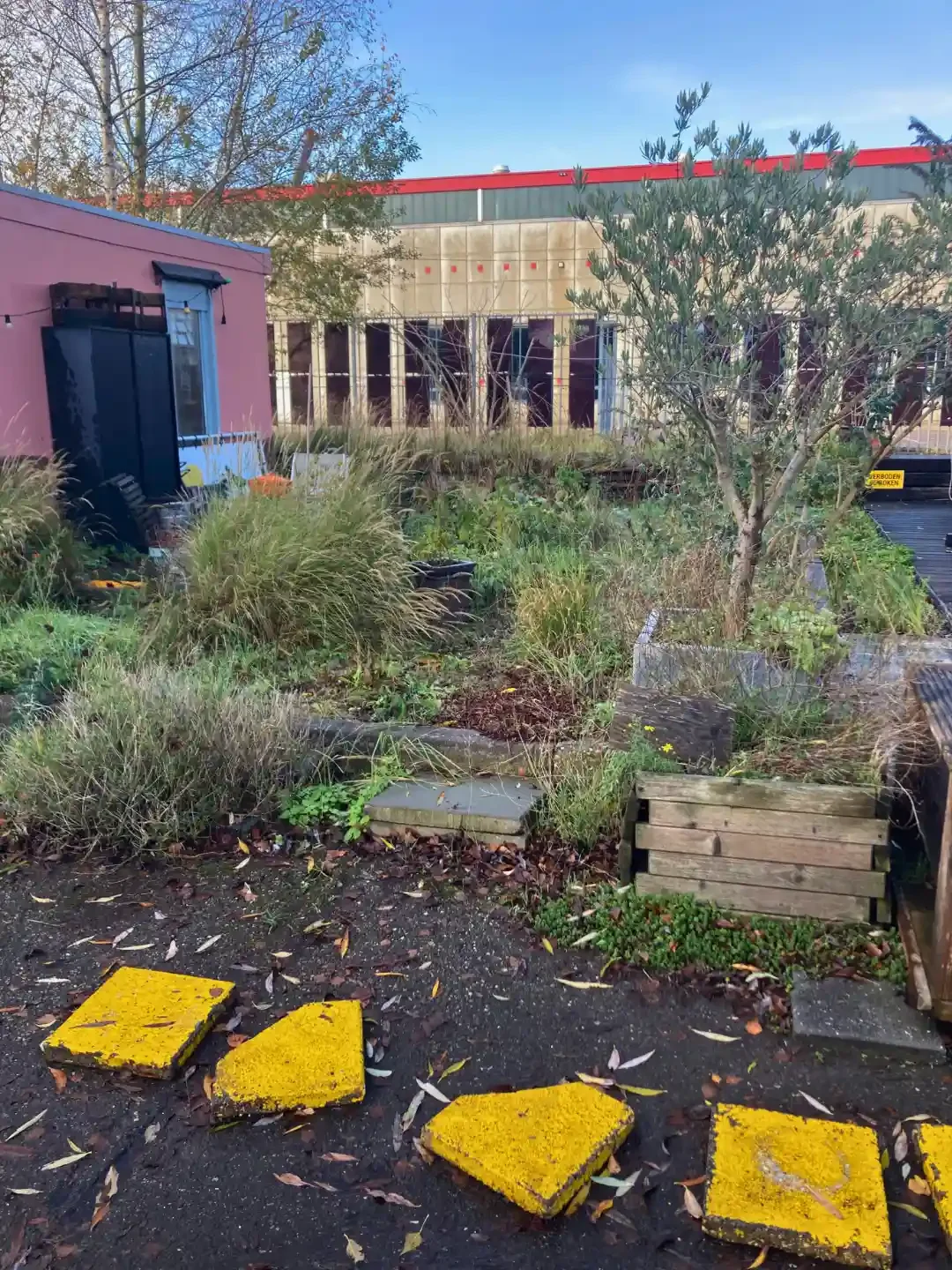
Copyright Knot Waste - Breda, The Netherlands - Urban Gardening
What is National Allotments Week?
The event started back in 2002 to raise awareness of the benefits that allotments provide. From the obvious food growing to creating healthier lifestyles, and forming new friendships that lead to stronger communities.
This year’s theme is all about lifelong lessons. The process of growing your own food develops and strengthens your skillset. You’re connecting with nature and developing the practical skills to grow your own, but you’re also gaining patience waiting for things to grow… and for the ones that don’t grow, you strengthen your resilience. We felt gutted when we pulled up our radishes and there was still nothing there, but you learn from what you’ve done and change your strategy for the next batch. When you do grow a good batch, you have a sense of achievement that you don’t get from filling your trolley up at the big Tescos. It’s a knowledge that you can share with everyone from your kids to your nan. Sharing something across generations is a powerful thing that builds your confidence.
“Allotments are more than places to grow food, they can act as “living classrooms”, supporting lifelong learning and personal development,”
- The NAS.
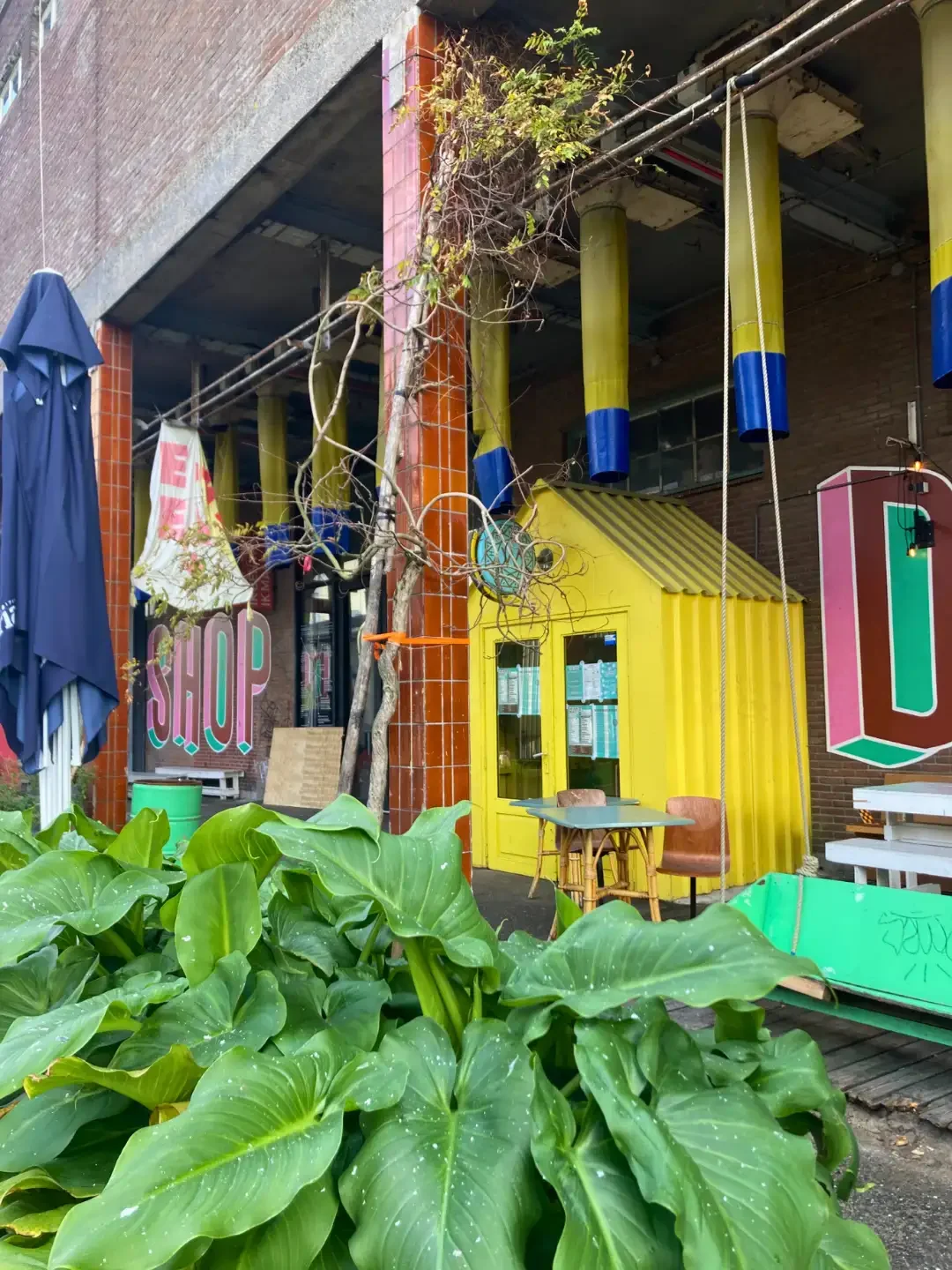
Copyright Knot Waste: Den Bosch, The Netherlands - Biophilic Urban Design.
How can allotments support mental health?
Rolling up to an allotment everyday isn’t going to suddenly cure you from an anxiety disorder but there are many benefits associated with being connected with nature, which can massively alleviate your symptoms. So much so that The NHS's Green Social Prescribing programme specifically includes community gardening and other nature-based activities.
“There’s growing evidence that nature-based social prescribing can improve mental and physical health and reduce loneliness,”
- NHS England.
For us personally, we see allotments as a great way to connect with nature in urban environments. It gives you a purpose and lets you be part of a community. You also get some steps in from all of the moving about, whilst getting your creative cogs turning as you figure out how to revive that lettuce.

Copyright Knot Waste: Tilburg, The Netherlands - Dye Plant Garden.
National Allotments Week events: how can you get involved?
National Allotments Week hosts an array of events, which includes community gatherings and wellbeing events, and events that are a little more hands-on at open days. It’s a great opportunity to try it out before you sign up to buy a plot. Regional events are taking place all over, so check out the NHS 2026 programme to find something that tickles your pickle.
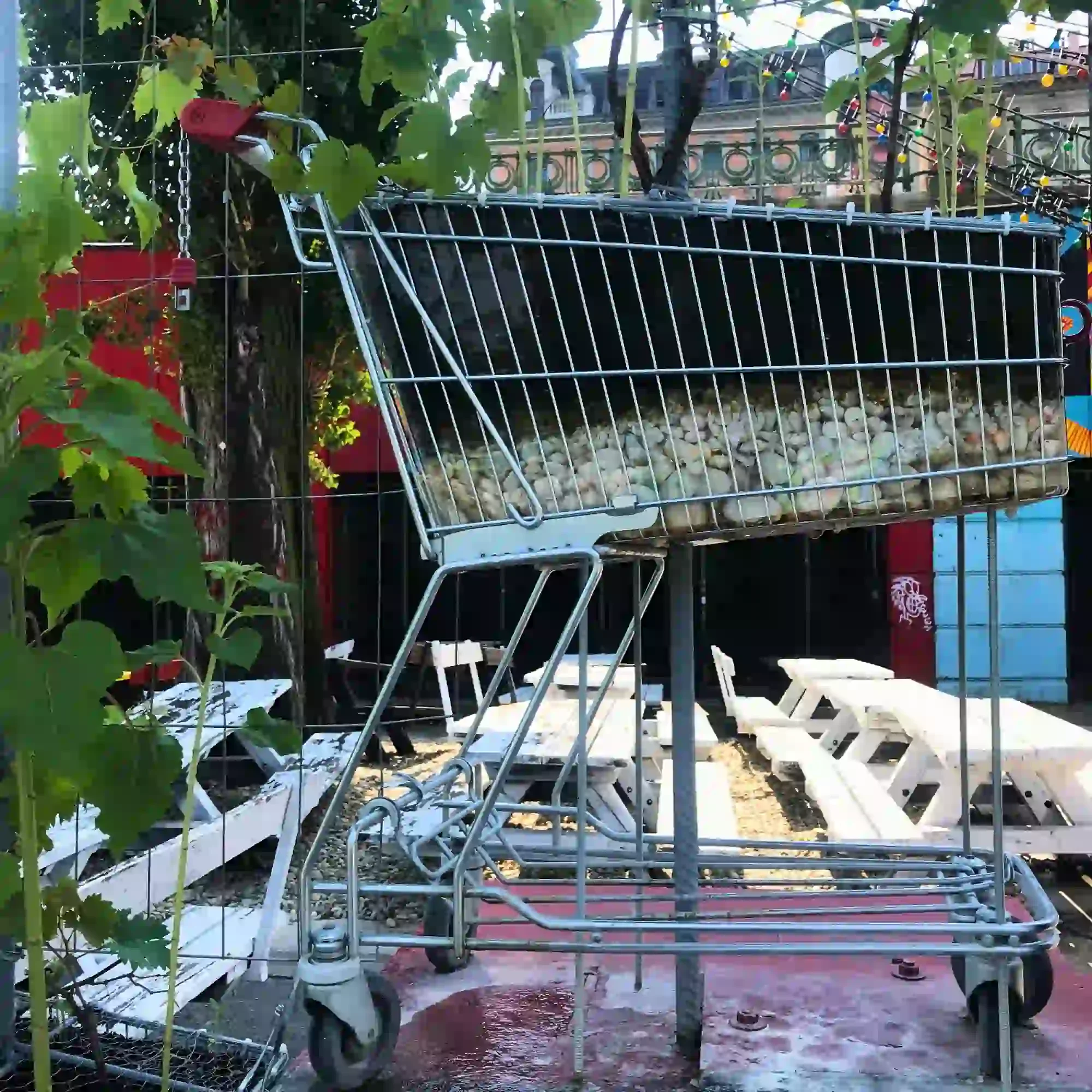
Copyright Knot Waste: Vienna, Austria - Shopping Trolley Garden Decoration.
Don't have an allotment? You can still grow in the city
Here are some ideas that we think can be just as beneficial as strolling down to your local allotment.
1. Join a community garden
If the purse strings are a little tight or all of your local plots are taken, then a community garden could be just the ticket. Unlike allotments that are rented, community gardens are usually a shared space for the local community to enjoy. These along with community farms are easy to find with a Google search. The NHS also loves to socially prescribe these, and the local gardening groups or growing projects, which are often based at them. So, it’s not just us who think that they’re a good idea.
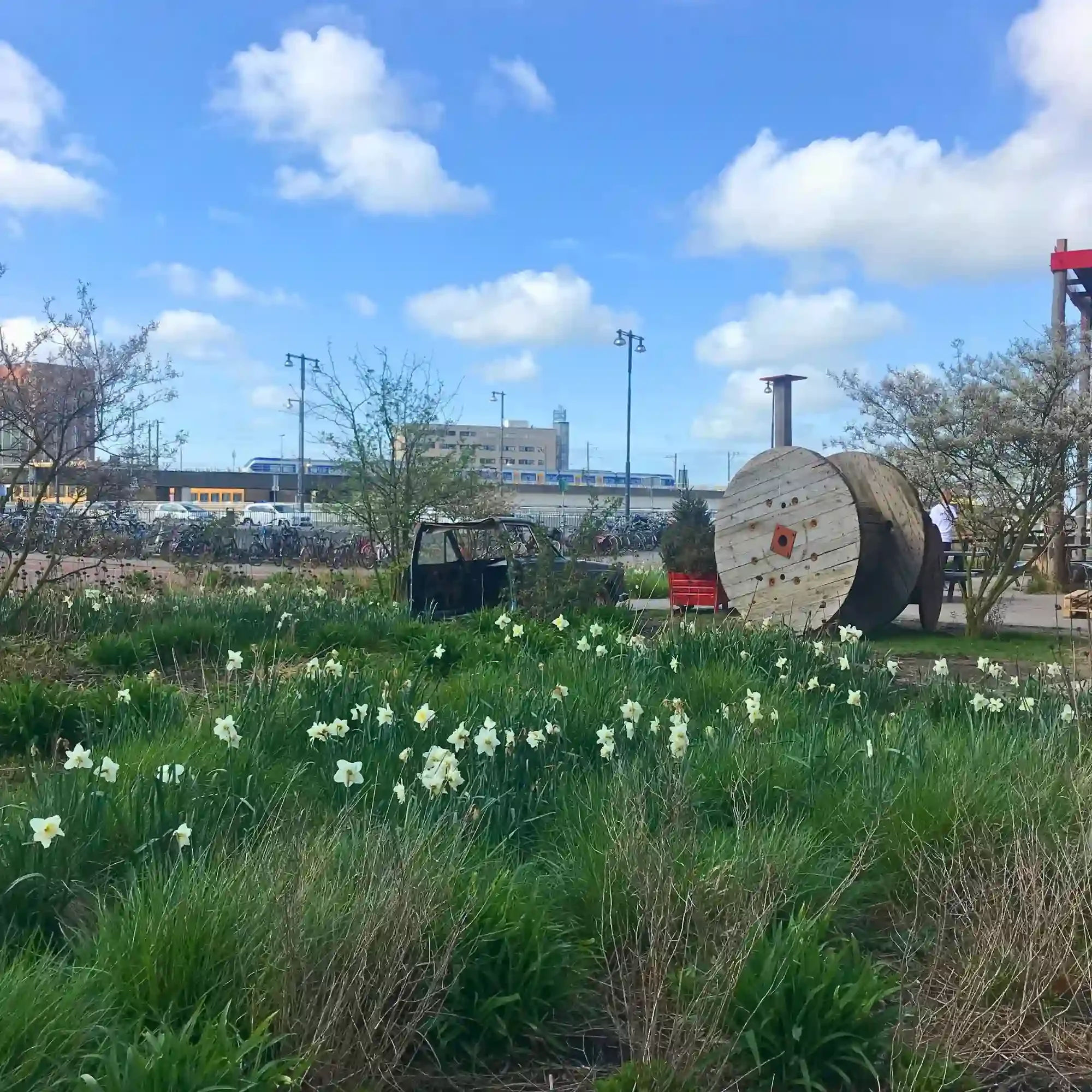
Copyright Knot Waste: Amsterdam, The Netherlands - Urban Garden
2. Try a vertical vegetable garden
This is a great solution if you reside in a small urban area. If you haven’t got much space, you’ve got to make the most of the space that you do have. Your urban greening isn’t about churning out sacks of veg but rather a little selection of good quality homegrown produce.
A vertical garden is all about using walls, fences, trellises or vertical planters to grow things such as peas, tomatoes, salad leaves and climbing beans. That’s basically a summer salad. You can even spoil yourself with a bit of dessert by popping in a few strawberry plants.
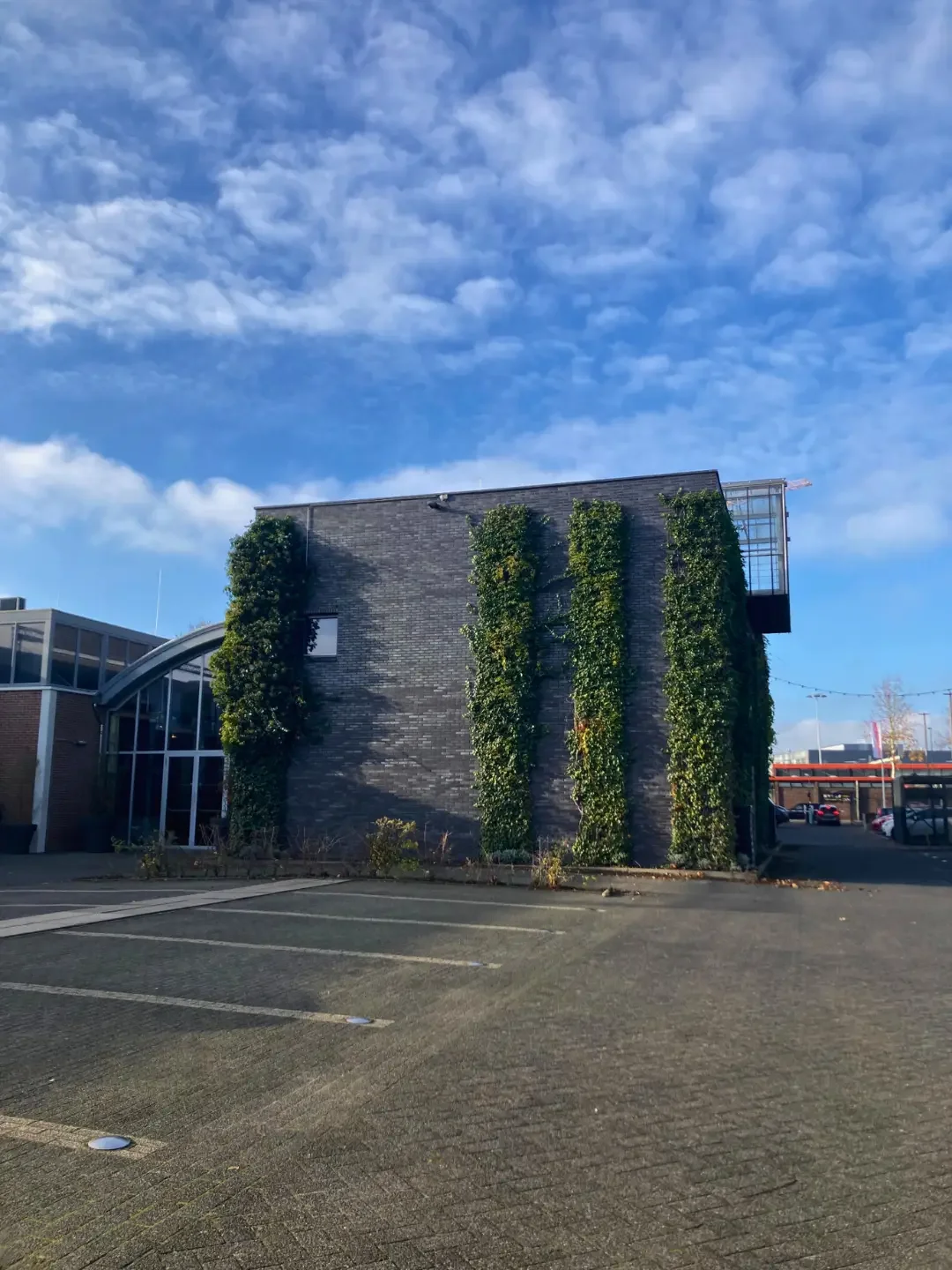
Copyright Knot Waste: Tilburg, The Netherlands - Vertical Greening.
3. Edible verges and public planting
Some communities are going one better and even experimenting with edible planting in public or shared spaces, which includes fruit trees, herbs and other food-producing plants. An edible city is one where food growing becomes part of the urban landscape rather than being confined to private gardens or allotments. That’s the dream really, isn’t it? Nobody should go hungry. You should be able to walk along your street and forage for fruit on the hedges. Or pick a few apples to make yourself a thrifty crumble.
Edible cities are still hugely few and far between but The National Allotment Society recognises community gardens, orchards, edible landscapes, school gardens and rooftop growing projects as important ways of expanding access to growing in urban areas.
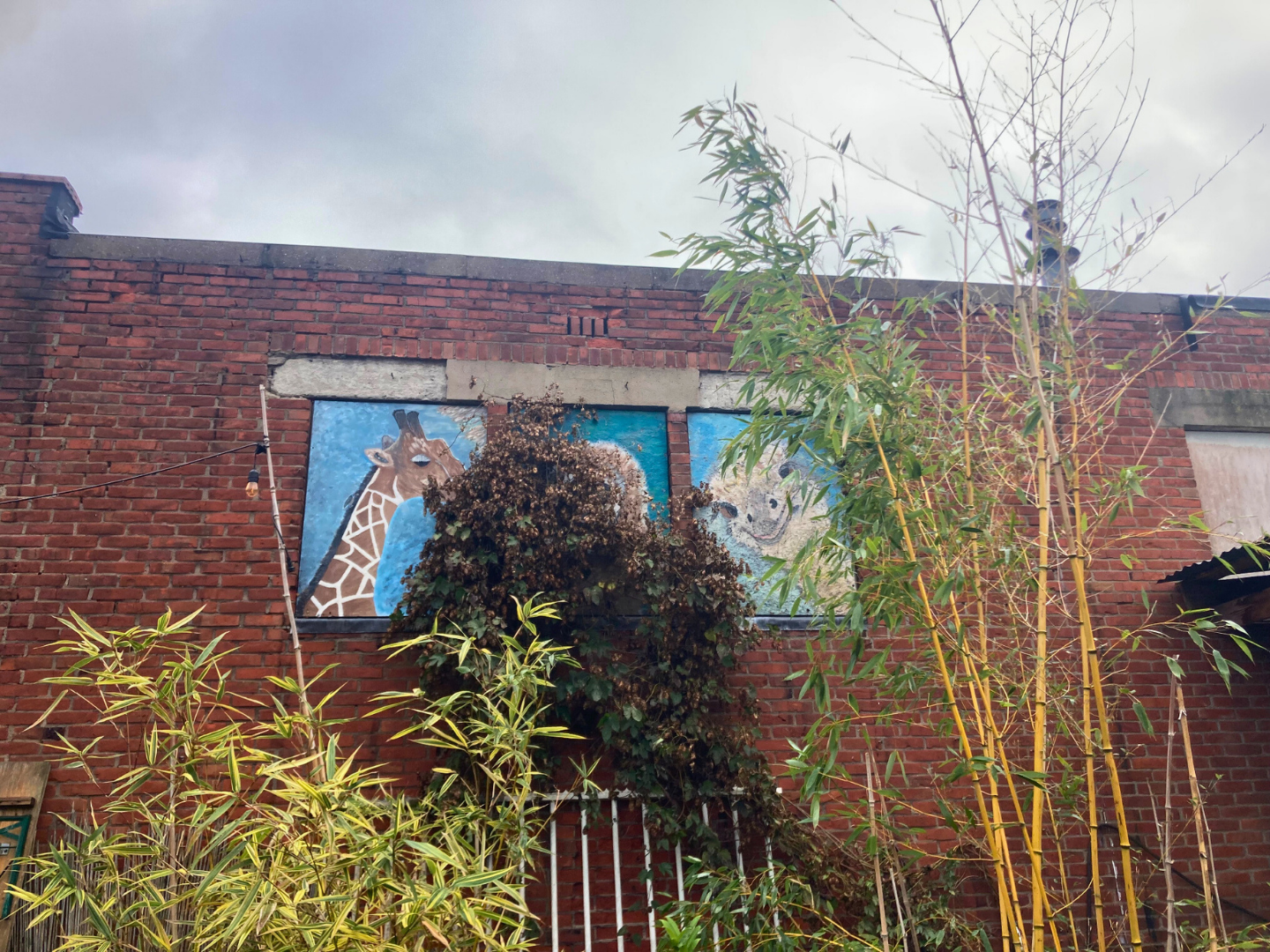
Copyright Knot Waste: Breda, The Netherlands: Art as Nature Connection.
4. Grow on a balcony
Space on a balcony is sparse, so you’ve got to be really choice about what and where you plant things. You have to consider how much sunlight you get and how much sunlight whatever you’re growing needs. You also need to opt for containers with drainage or you’ll flood your fruit and veg. Things that grow well on most balconies include; tomatoes, strawberries, salad leaves, chillies, herbs, and beans.

Copyright Knot Waste: Bilbao, The Basque Country - Garden Balconies.
5. Start a window box
What’s an urban dwelling with even less space than a balcony? One that only has a window… but having your own mini garden on your window is still achievable. You literally don't need a garden. Dip your toe into the world of being a gardener with a window box, and start with easy to grow items like basil mint, parsley, chives, and thyme. These days there are even lots of cool microgreens kits available that are stylish and don’t need much upkeep to maintain. Have a search on Amazon.

Copyright Knot Waste: Tilburg, The Netherlands - Window Cill Filled with Plants.
You don't need an allotment to grow your connection with nature
Just like we use embroidery as nature connection, growing teaches us to slow down, pay attention and connect with the natural world around us. Whether that's a full allotment, a community garden, a balcony planter or a few herbs growing on a windowsill, there's an opportunity to bring a little more nature into urban life.
National Allotments Week is a celebration of allotments, but the underlying message is much broader.