
Litter vs. Nature
How Everyday Waste Harms Wildlife and Pets.
Plus simple ways you can help protect nature every day.
Litter is more than just an eyesore. Chucking your empty sweet wrappers onto the floor, spitting your chewing gum to the curb, or flicking your cigarette stubs across the street doesn’t only affect wildlife and ecosystems, but also your pets.
Litter pollution isn’t just increasing in urban areas but also in natural spaces. We’ve all seen photos of seagulls with beercan rings around their necks, or read stories about ducks exploding after eating too much discarded bread. (The last bit is actually an urban myth… The real danger comes from soggy bread getting trapped, rotting and causing a fatal condition called ‘Sour Crop’, - Canal River Trust. So don’t feed them bread!) Wildlife often mistakes rubbish for food or becomes trapped in it, and pets can cut their paws or get poisoned. You’ll already know this if you’re a dogwalker! Small actions by each of us can collectively make a big environmental impact.
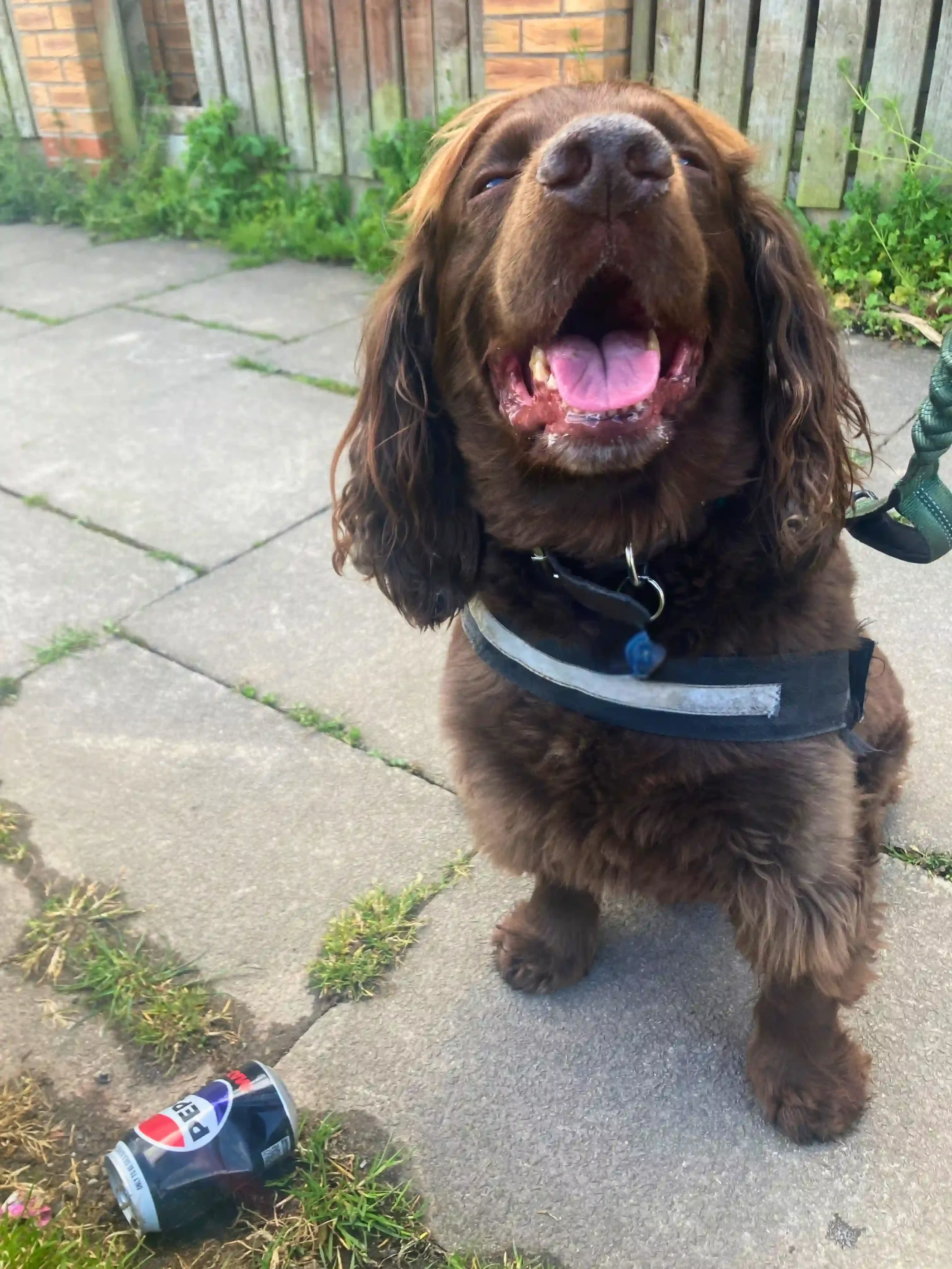
Copyright Knot Waste: North West, UK - Cocker Spaniel with Urban Litter.
Common Types of Litter and Why They’re Dangerous
1.Plastic Packaging
Plastic exists in our everyday lives from food wrappers to plastic bags. In the UK, the government is moving to ban the supply of single-use plastics, but each of us also has to change our own behaviour for the biggest impact. (RSPCA).
Animals like birds or marine life mistake plastic for food, which causes choking or internal injuries. Microplastics are also a problem. When plastic breaks down it produces toxic chemicals that pollute the environment and animals. That innocent crisp bag is causing long-lasting damage to our ecosystem. (RSPCA).
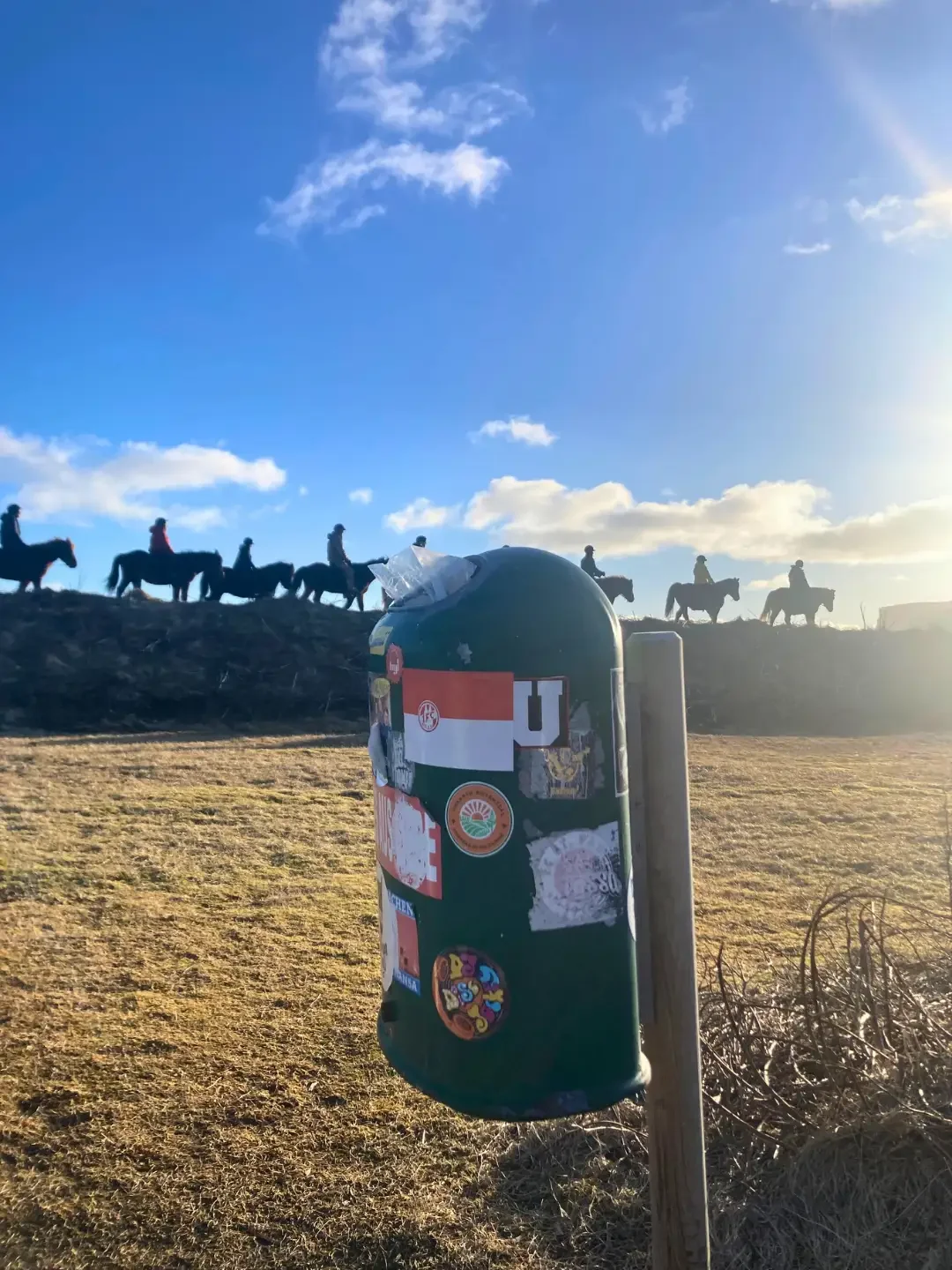
Copyright Knot Waste: Reynisfjara, Iceland - Urban Bin in Nature.
2.Cigarette Butts
Research by Keep Britain Tidy shows smoking-related litter is the most common form of litter in England, with local councils and taxpayers spending around £40 million yearly trying to clean them up. (West Lancs Gov).
Not only are they a risk to your pets if they eat them, but they can also leak toxic chemicals into soil or water. Their filters are a microplastic which takes over a decade to decompose. In soil they can hamper plant growth, and if rain washes them off of the streets into storm drains, rivers, or oceans, the nicotine from a single butt can contaminate up to 1,000 litres of water. According to research published in the National Library of Medicine, toxins from just one cigarette butt soaked in a litre of water can kill half of the exposed fish.
If that’s not enough, cigarette butts are also a leading cause of accidental wildfires. So, think twice about throwing your stubs in the park on a hot day.
“Every six days, someone in the UK will die from a fire started by a cigarette” - Devon & Somerset Fire and Rescue Service.
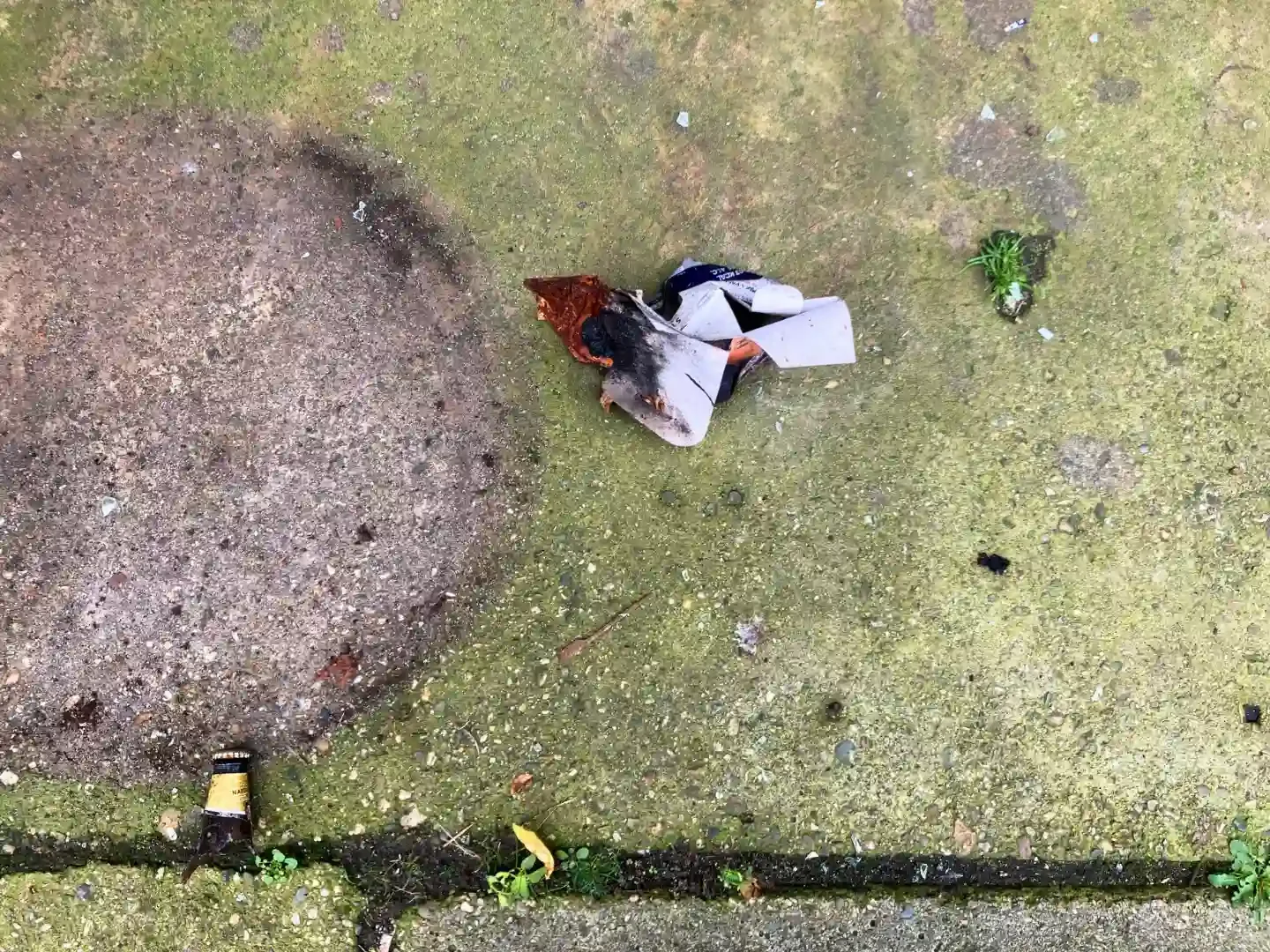
Copyright Knot Waste: Den Bosch, The Netherlands - Urban Litter.
3.Glass Bottles and Broken Glass
Whether it’s big pieces of jagged glass or little shards, both can be equally as dangerous for wildlife or your pets.
“The RSPCA receives 10 calls a day about animals affected by litter. The number spikes in the summer months. We estimate that the actual figure is much higher as injured animals are not always found,” - RSPCA.
People enjoying parks or green spaces during the hotter months often leave litter like empty glass bottles behind. It might be obvious that they could injure animals or children enjoying the spaces but they can also start fires through sunlight magnification. There are bins (in most places) for a reason.
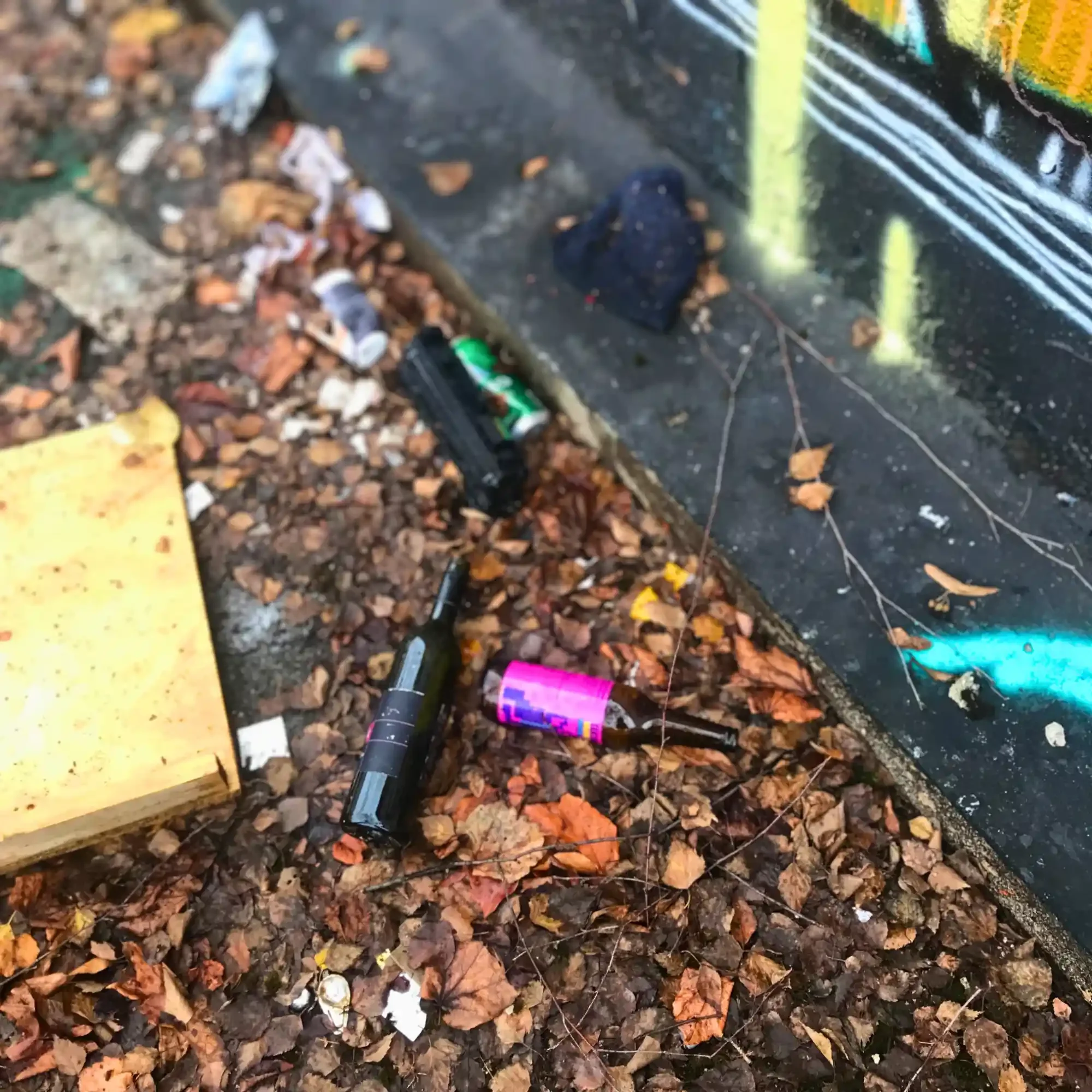
Copyright Knot Waste: Ljubljana, Slovenia - Glass Litter at Metelkova Mesto
4.Fishing Line, String, and Nets
How we dispose of our litter greatly impacts wildlife, and with waste like fishing line, it’s smaller mammals and birds that are at the greatest risk. Hooks left over from fishing trips can piece skin or even be swallowed, whilst castaway lines can be a choking hazard.
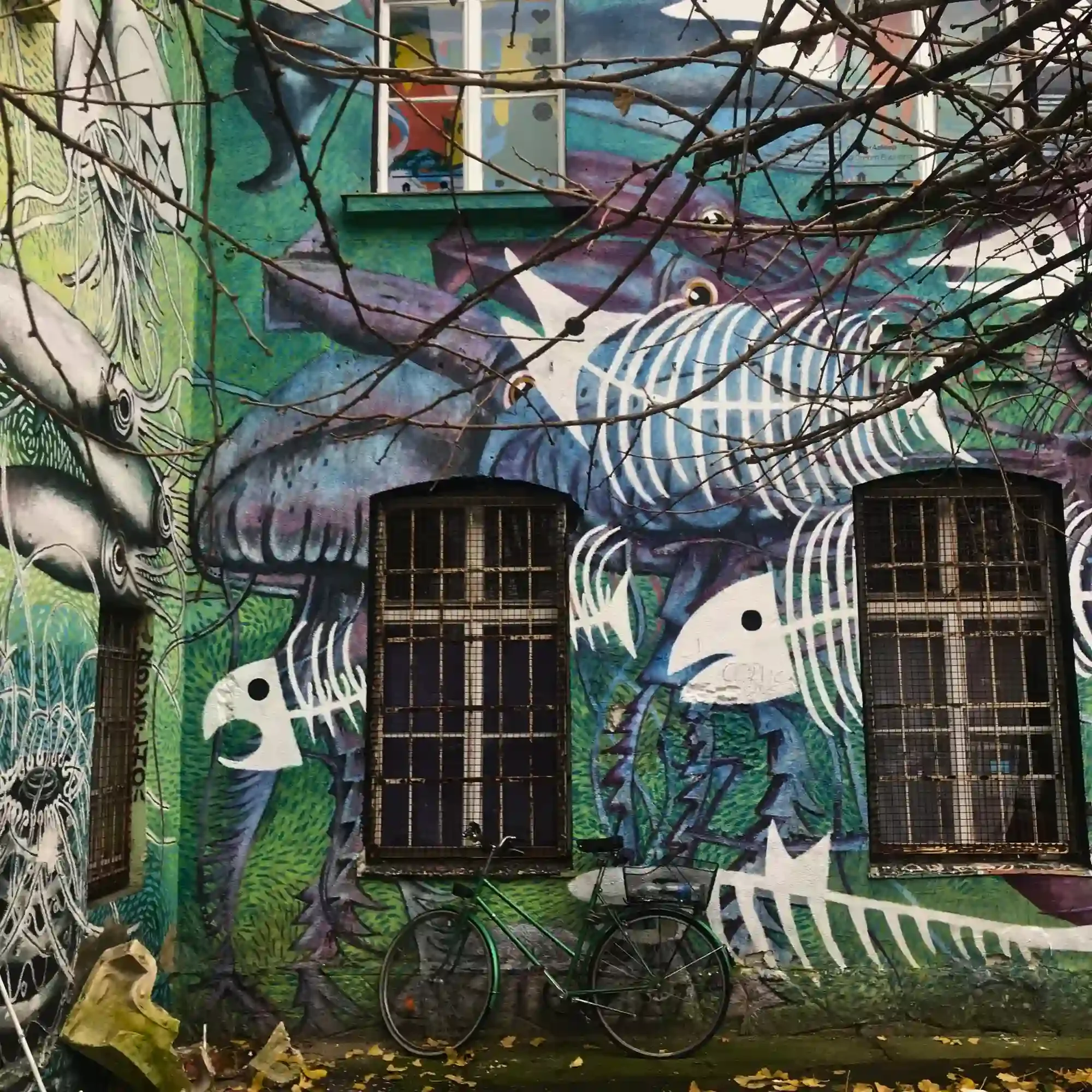
Copyright Knot Waste: Ljubljana, Slovenia - Fish Mural at Metelkova Mesto
5.Food Waste
You couldn’t quite manage a full bag of chips from the takeaway, or you bought one too many loaves of bread? Food waste can attract rats and pests, or even become mouldy and be toxic to animals eating the great snack they’ve found.
Chucking leftover food also encourages wildlife to feed on this junk food rather than seek out their natural food sources. In the UK human food is making Scavenger populations like foxes boom, which puts pressure on bird populations.
In India, the monkeys are getting fat and their teeth are falling out. The monkeys have learned that people are great sources of junk food like chips and biscuits. We’re now seeing animal-human conflicts, as the monkeys get a bit nasty when they can’t get their latest sugar-fix from people. They’ll bite, scratch or steal items to barter for their next Curly Wurly… type snack (Seen on a David Attenborough).
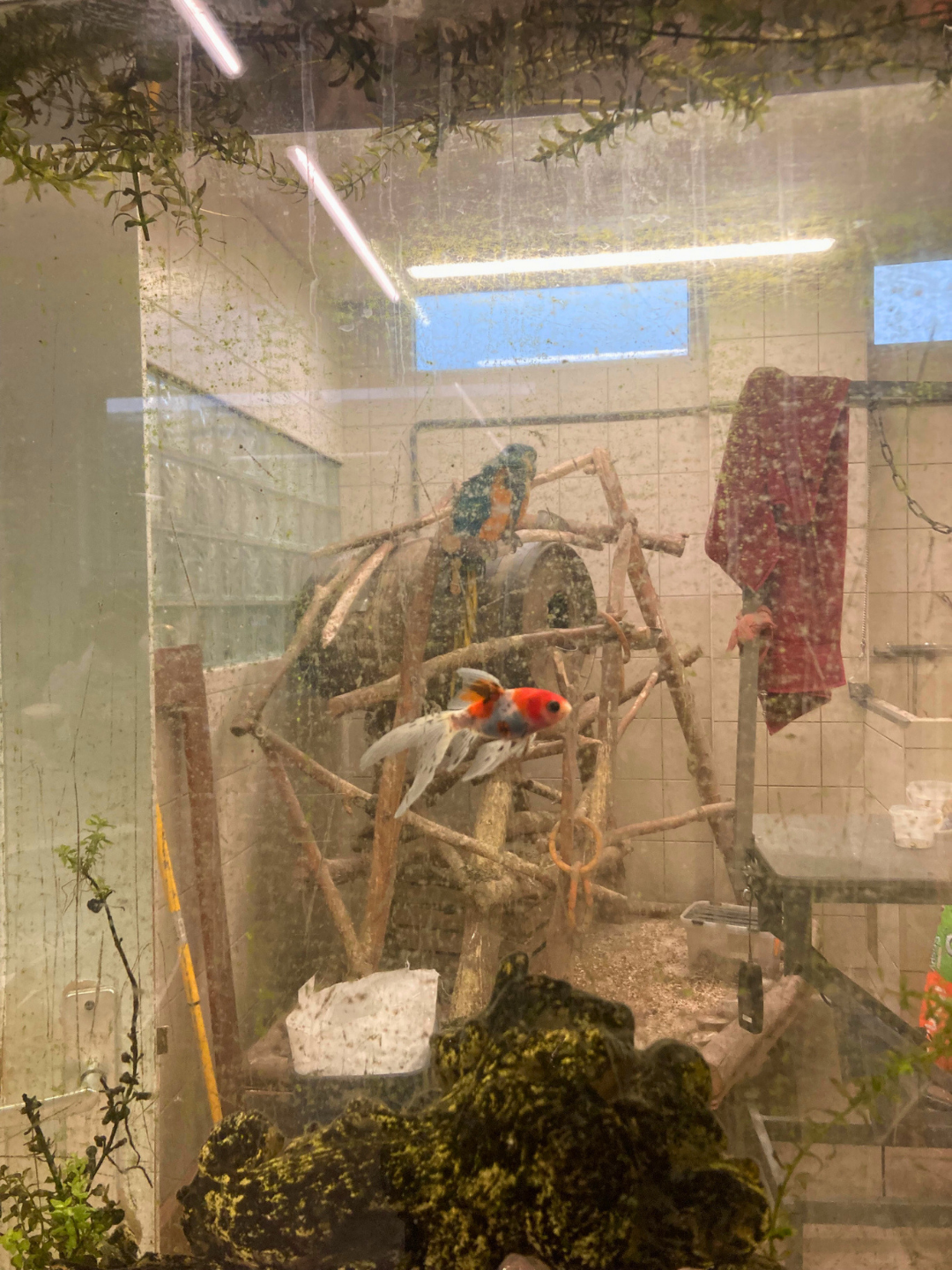
Copyright Knot Waste: Breda, The Netherlands.
The Wider Environmental Impact of Litter
Litter isn’t just affecting wildlife and our pets, it’s also impacting communities. Nature Connection in a field full of crap? You don’t leave feeling your best!
Reducing biodiversity, and polluting rivers or oceans all have a negative impact on public health. It affects both health and wellbeing, with communities feeling neglected. Then comes the cost of cleaning it all up!
“Litter clearing costs the UK public purse nearly £1 billion a year. Councils spend millions on street sweeping and waste disposal, while conservation charities (who don’t receive government funds for this purpose) spend hundreds of thousands annually to keep their own parks and waterways clean,” - Keep Britain Tidy.
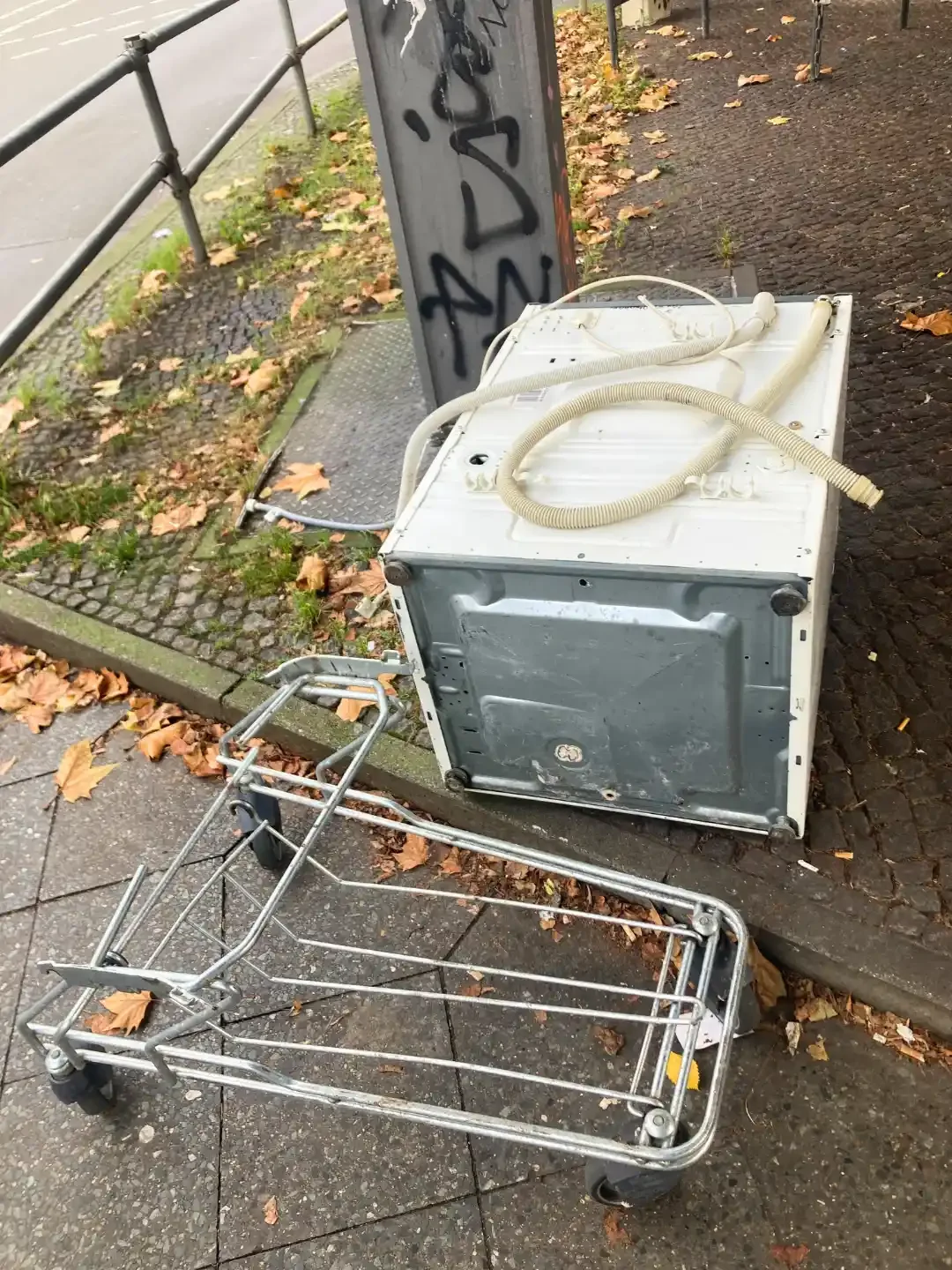
Copyright Knot Waste: Berlin, Germany - Fly Tipping in Kreuzberg.
How You Can Help Protect Nature From Litter
If we all make small little changes, then we’ll have a greater impact, which benefits not only Public Health but the natural world also. Here are a few tips:
Reduce Single-Use Plastic
Opt for reusable shopping bags, water bottles, or refillable coffee cups.
Dispose of Waste Properly
When you’re out and about and can’t find a bin, take your rubbish home. When you can find a bin, use it, and of course recycle according to the labels.
Join Local Litter Picks
Litter-picking is a thing in most schools, and some workplaces too. You can also head to resources like Keep Britain Tidy to find or start your own community litter-pick. Or if you find larger items that have been fly-tipped, arrange a collection.
Keep Pets Safe During Walks
Try to avoid areas with visible broken glass or food waste, but if that’s really not possible, there are little dog booties available to buy. They are great at protecting dog paws, if you can train your dog to keep them on. Not all dogs are the same.
Encourage Others
If people don’t realise the bigger consequences of litter, then they’ll do nothing about it. Share awareness on social media, and support environmental charities. Knot Waste creates eco-conscious urban embroidery patterns that are available on the ETSY KnotWasteShop. We donate 10% from each item sold to the RSPCA via our Just Giving page. We are not officially affiliated with the charity but do it as we believe that a world that’s better for animals is better for us all.
To help the RSPCA raise awareness of litter in urban areas, we’ve also created a free downloadable embroidery pattern. Download Spaniel in Urban Litter here.
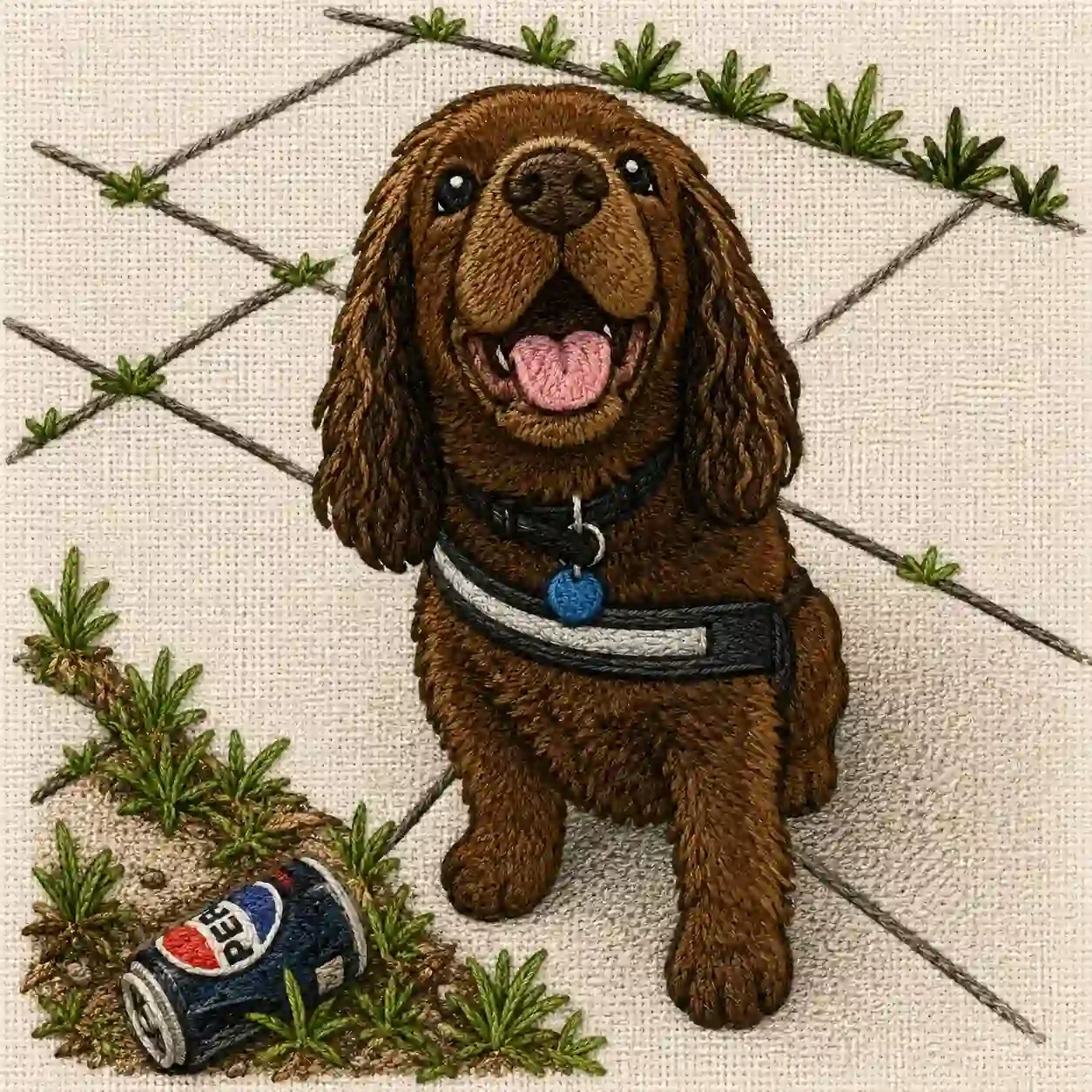
Copyright Knot Waste: Free Embroidery Pattern Download - Spaniel in Urban Litter
Nature can recover when communities care for it. For more info and tips, read our blog post How Litter Affects Climate Change.
Remember, the next time you reach for your litter-picker, you may be protecting an animal, a habitat, or even someone’s pet.