
What's Being Done to Prevent Wildfires?
How we can all help.
A single spark can take out a whole forest, peatlands, or even moorlands. These have taken centuries to develop, and are areas that lots of wildlife call home. When they go up, it’s not just the animals that end up dead or homeless, it also releases stored carbon, which puts people and communities at risk.

Copyright Knot Waste: Den Bosch, The Netherlands - Burnt Street Litter.
But what is being done to prevent wildfires, and how can we all help?
We’re all no stranger to climate change, and as each year passes, the next gets even hotter and drier. This means that wildfires are also becoming more frequent than ever. So, specialist firefighting teams are being trained to deal with the new world. From restoring wetlands and peatlands to conservation organisations working to make our landscapes more resilient, change is on the horizon.
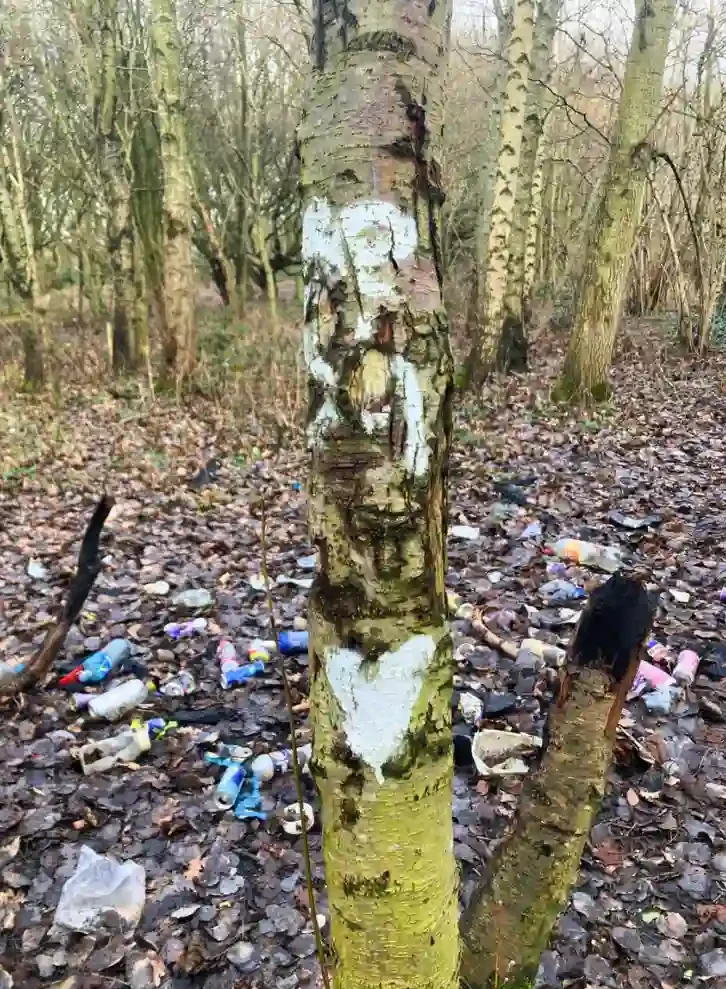
Copyright Knot Waste: North West, UK - Burnt Tree by Litter.
Why are wildfires becoming more severe?
We can’t just blame climate change for all the fires either, as people also unfortunately play a big part in starting fires. Many are accidental, from disposable BBQs and campfires to cigarettes or matches, and even glass or metal objects can start a spark that takes out a forest!
Climate change is undoubtedly making the situation worse… Rising temperatures, prolonged droughts, dry vegetation, and more heatwaves than you can shake a stick at, turn landscapes into highly flammable fuel. All the more so for dry grassland, heathland and peatland.
“Humans are responsible for the vast majority of out-of-control wildfires in the US. That means solutions are also in our hands”- WWF.

Copyright Knot Waste: North West, UK - Burnt Cardboard in Nature.
Was 2025 the worst year for forest fires?
You might have heard reports that 2025 was the worst, but rather than asking whether every year is becoming the "worst", the bigger concern is that extreme wildfire conditions are becoming increasingly common.
Research published in Nature Reviews Earth & Environment found that the global area burned was actually the second-lowest recorded since 2002. However, in 2025, several catastrophic fires across Canada, the USA, Europe and South Korea caused more than 90 deaths and more than 300,000 evacuations.
In Europe, however, 2025 really was a record-breaking year. More than 1 million hectares burned across the EU, making it the EU's most destructive wildfire season since satellite records began in 2006.
This year, things are getting all the more challenging, as extreme heat and droughts have worsened. By early August, the area burned in the EU had already temporarily overtaken the equivalent period in 2025. (Nature.com).

Copyright Knot Waste: North West, UK - A Pond in the Woods.
World Day for Forest Fire Prevention
This week, we noted World Day for Forest Fire Prevention on the 18th August. The day is dedicated to raising awareness of the causes and consequences of forest fires and encouraging people to take action to prevent them. It’s a date that is always relevant to note in the summer months, with this year enduring record-breaking heatwaves.
“2026 likely to be the first year in which the country (UK) has recorded four separate days with temperatures of 36C or above”- Guardian.
The day also serves as a reminder that wildfire prevention isn't just the responsibility of firefighters. Protecting natural landscapes starts with all of us.

Copyright Knot Waste: Ljubljana, Slovenia - Burnt Out Bin in a Park.
How are conservation organisations helping prevent wildfires?
It’s not all doom and gloom as several conservation organisations and charities are working to reduce wildfire risk while restoring landscapes damaged by fire.
One important approach is rewetting peatlands and bogs. Healthy peatlands naturally hold large amounts of water, so restoring it to become wet and boggy again can help reduce the risk and spread of wildfire. At the same time, it helps protect biodiversity and keep carbon stored in the ground.
Organisations are also supporting local firefighting teams, training rangers, monitoring high-risk areas and educating visitors about fire prevention.
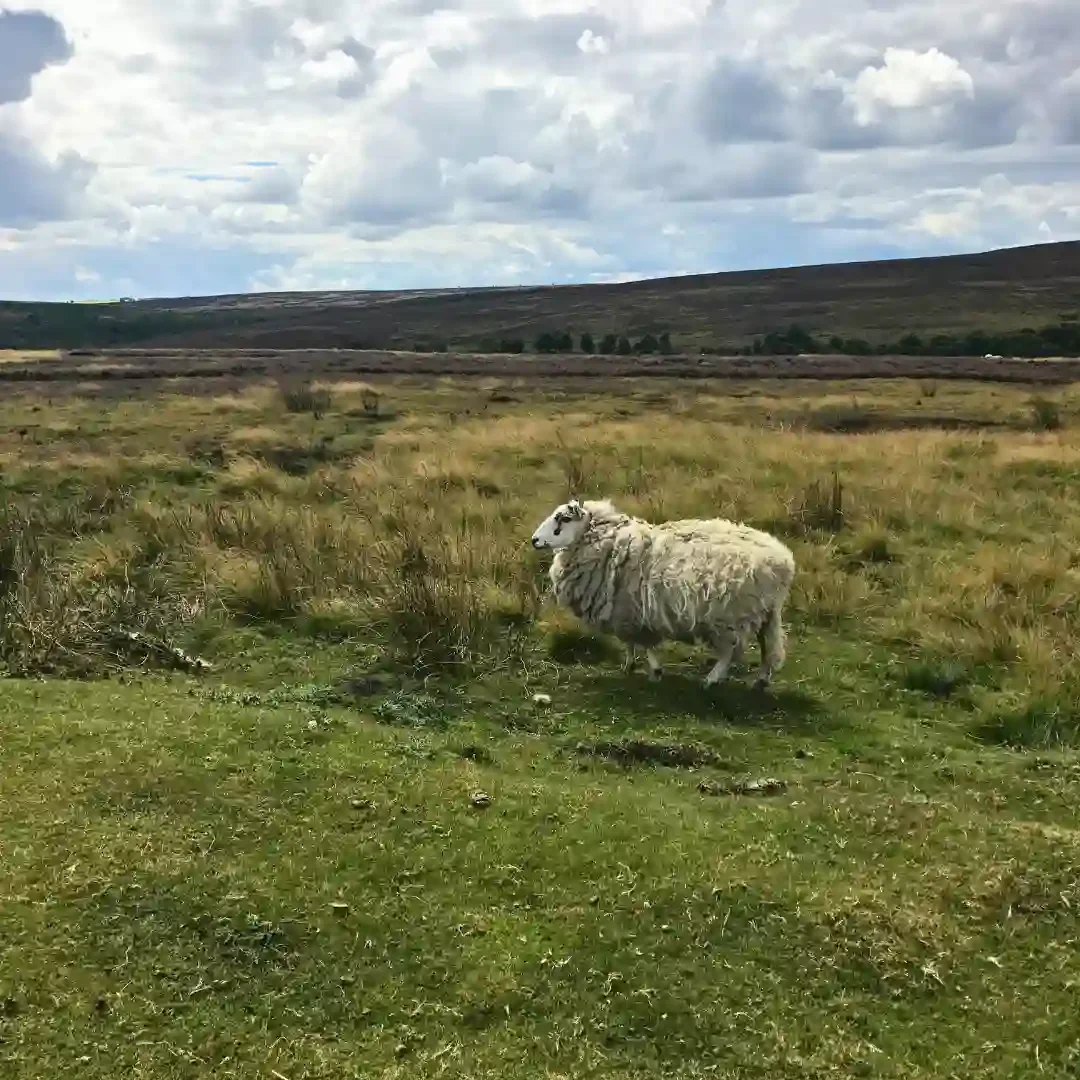
Copyright Knot Waste: North York Moors National Park.
The Peak District National Park Foundation
A great example of an organisation that’s working on these changes is The Peak District National Park Foundation. Its Wildfire Appeal helps fund wildfire prevention, including training National Park rangers to support firefighting teams and creating coordinated plans for tackling large-scale moorland fires. Donations also support the restoration of landscapes damaged by fire, including restoring blanket bogs to their naturally waterlogged state and planting sphagnum moss.
The Foundation also funds Wildfire Engagement Officers who patrol high-risk areas, dismantle illegal fire sites and speak to visitors about fire safety.
“A 2025 pilot in the Upper Derwent Valley dismantled more than 80 fire sites in just a few weeks” - Peak District Foundation.
You can support the Foundation through its Wildfire Appeal or get involved in conservation volunteering. The Peak District's Moors for the Future Partnership runs volunteer opportunities including sphagnum moss planting, vegetation surveying and peatland monitoring.
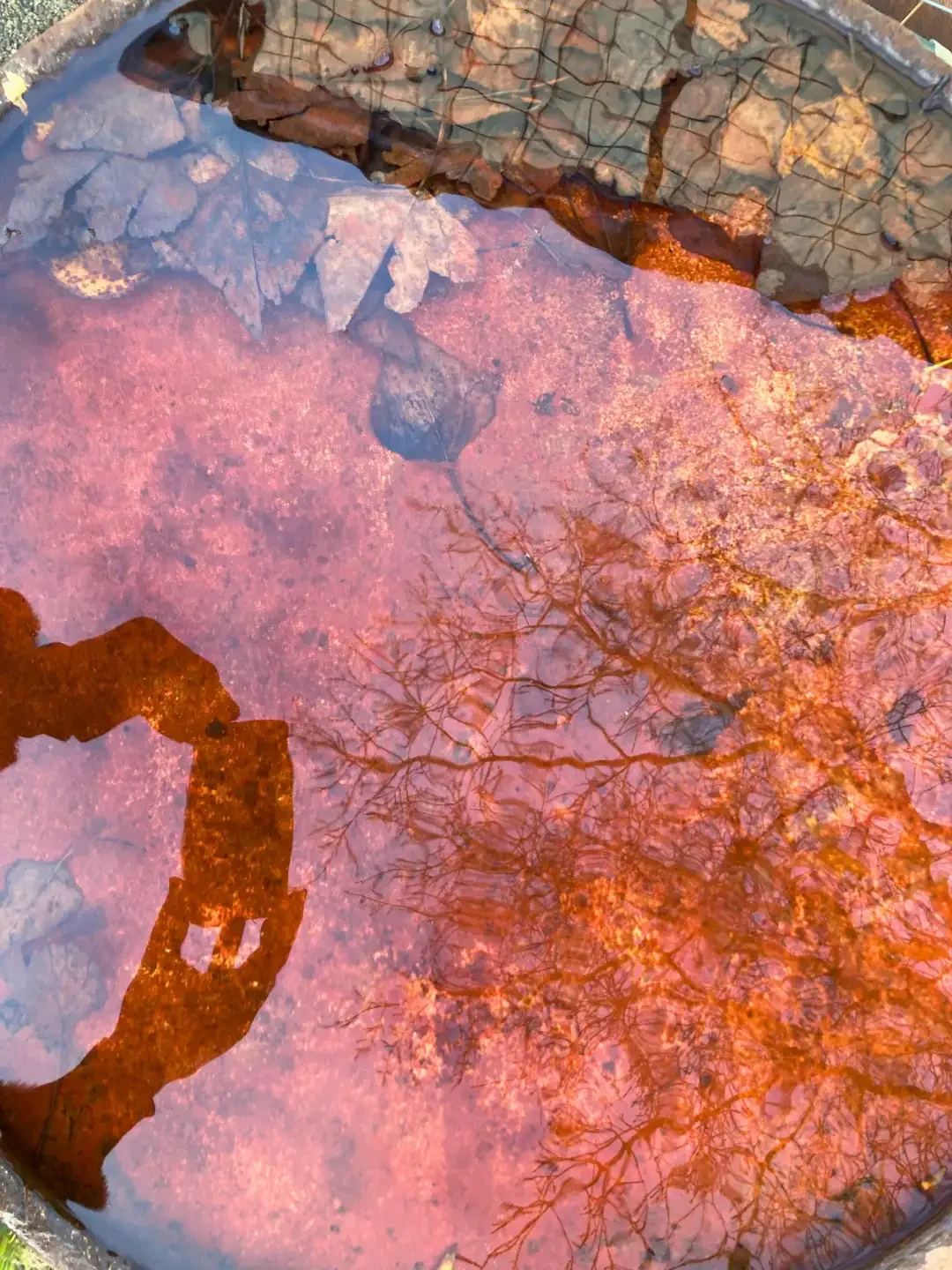
Copyright Knot Waste: Breda, The Netherlands - Water & Nature.
How we can all help
Wildfire prevention isn't only about large conservation projects. Small everyday actions can make a real difference.
1. Never light a BBQ or campfire on dry moorland or grassland.
Follow local restrictions and fire-risk warnings.
2. Don't drop cigarettes or matches.
Even a tiny ember can set fire to dry vegetation.
3. Take your rubbish home.
Litter is not just bad for wildlife but can also start fires when items like glass and metal are left lying around.
4. Check wildfire warnings before heading outdoors.
If fire risk is really high, choose another location or visit at a safer time.
5. Report a fire immediately.
If you see smoke or flames, move to a safe location and report it to the emergency services. Never attempt to tackle a spreading wildfire yourself.

Copyright Knot Waste: Reykjavik, Iceland - Bins by Houses.
Protecting landscapes before they burn
Restoring peatlands, protecting wetlands, educating visitors, training rangers and reducing accidental ignition all form part of the solution. As climate change increases the likelihood of hot and dry conditions, making our landscapes wetter and more resilient is all the more important.
The next time you go strolling through a forest, moorland or countryside, remember that protecting it doesn't always require a huge gesture. Taking your litter home, avoiding flames and following local fire guidance could help prevent you from starting the next wildfire.
When it comes to wildfire prevention, the smallest spark can make a huge difference, and so can the smallest action to stop one.
Read Now: Litter vs Nature - How Everyday Waste Harms Wildlife and Pets.