
How Urban Greening Can Create Healthier and Cooler Cities
Green Spaces Matter for Health, Climate and Communities.
Picture this… You’re sardined in a crowd during a heatwave, and not just any heatwave but one that’s hitting an all time high. Really you want to be strolling down an empty beach soaking up the sunshine, or at the very least shading yourself in a secluded forest… But no, you’re in the city!
New records seem to get broken year on year, and urban areas are only going to get even hotter and more crowded. When you find a random cosy corner on your lunch-break, that’s when you realise just how important urban greening is for your mental health. A little spot with less people. The calming green visuals dancing up a building and inviting a few urban sparrows to hedge dive and have a sing-song.
Magical! Until you finish your sandwich, turn around and see the traffic jams pumping out exhaust fumes, and the high-street packed with agitated people. But still, that little corner of heaven made all the difference. Experiencing nature connection for just as little as 10 minutes can help your brain to send ‘calm the F down’ signals, and regulate your nervous system. Exactly what you need, before braving the office again.
Urban Greening covers things like parks, green roofs, community gardens, street trees, and pollinator planting. All can not only help to improve your mental health, but also the environment.
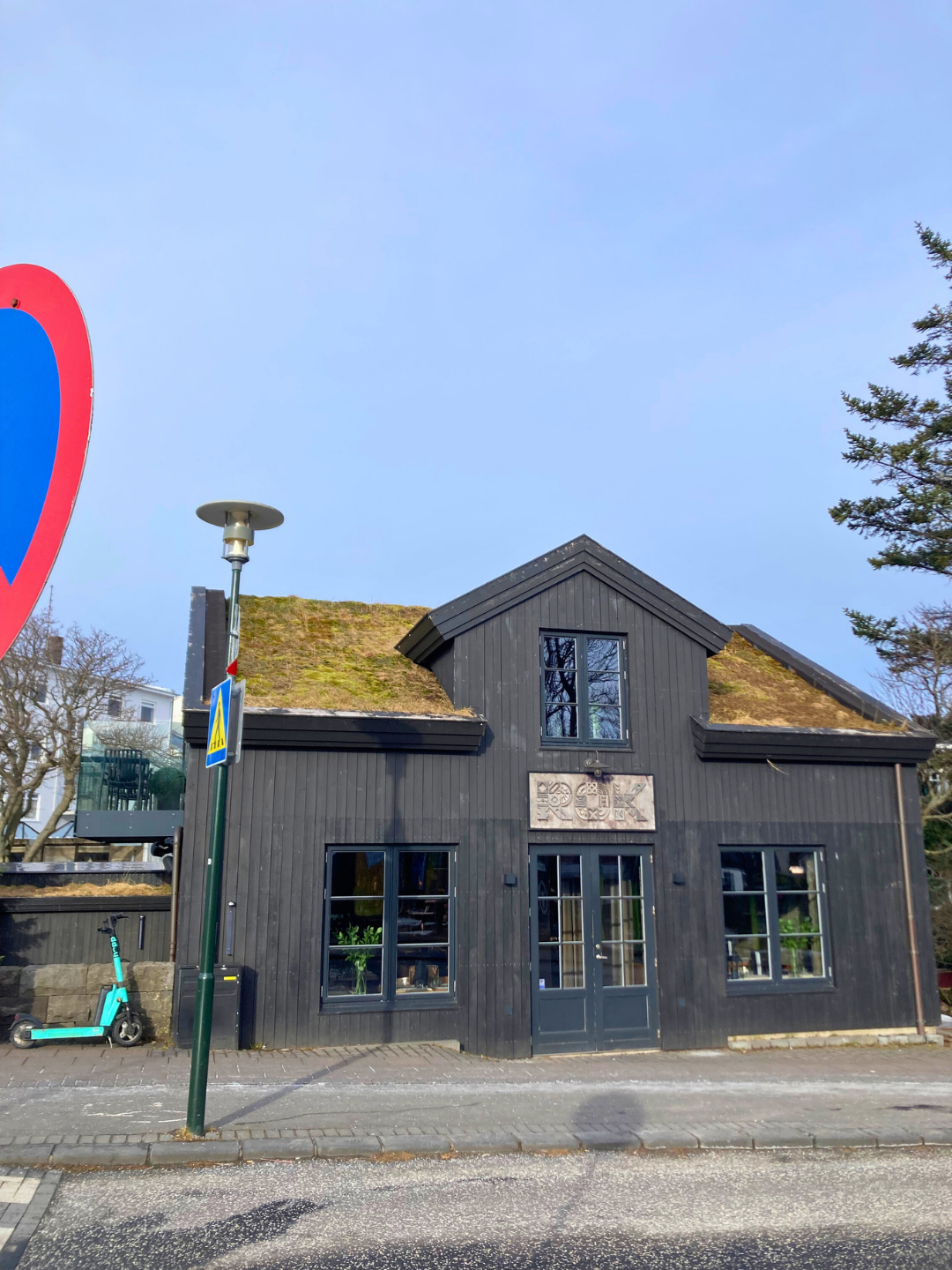
Copyright Knot Waste: Downtown Reykjavik, Iceland.
Top 5 Benefits of Urban Greening
Improves Public Health
Scientific reports, such as those featured on Nature.comare showing that a lower connection to green spaces results in a lower mental health. Studies are showing that all it takes is a short stroll in the park, or living close to nature, lowers stress hormones (cortisol) and anxiety levels, as well as reducing the risk of long-term depression. Nature activities are a great way to form social connections too, with nature-based social prescribing becoming increasingly popular. Lots of people visit their GPs due to isolation, debt or housing worries, and medicine alone isn’t the cure. The root cause of ill health needs addressing. Social prescribing does that. It takes pressure off primary care services, improves quality of life, and strengthens communities.
2) Helps Reduce Climate Risks
As Scientists fear that 2026 might become the hottest on record, remember that urban areas feel even hotter due to concrete and asphalt. City greening can help, as green infrastructure helps to mitigate urban heat and reduce flooding through better rainwater absorption.
3) Improves Air Quality
It’s a fact that if you live in an urban area, you’re more likely to suffer from asthma, and that’s hardly shocking when big UK cities frequently breach WHO limits for harmful pollutants. As always, it’s the children and families in low-income urban areas that are most disproportionately affected. Urban areas need air pollution solutions such as trees and plants to filter our air pollutants. Hedges and green walls can naturally filter out irritants like dust, benefiting respiratory health, and leading to healthier cities.
4) Supports Wildlife and Biodiversity
Where to begin? The numbers of bees and butterflies are dwindling. Most of us have a Save The Bees badge but what we really need to do is get out planting. If we have greener cities, we have more pollinators. Adding green roofs, parks, and tree-lined streets create wildlife corridors. Insects and animals can actually live alongside us.
5) Builds Stronger Communities
It’s not all about saving the planet (though, that’s really important), it’s about our quality of life in urban areas. Connecting with nature and forming new social connections boosts mental health. Green ideas like community gardens can benefit everybody; from children learning about nutrition to helping isolated members of society to integrate. It leads to more tolerable, safer neighbours, which benefits everyone.
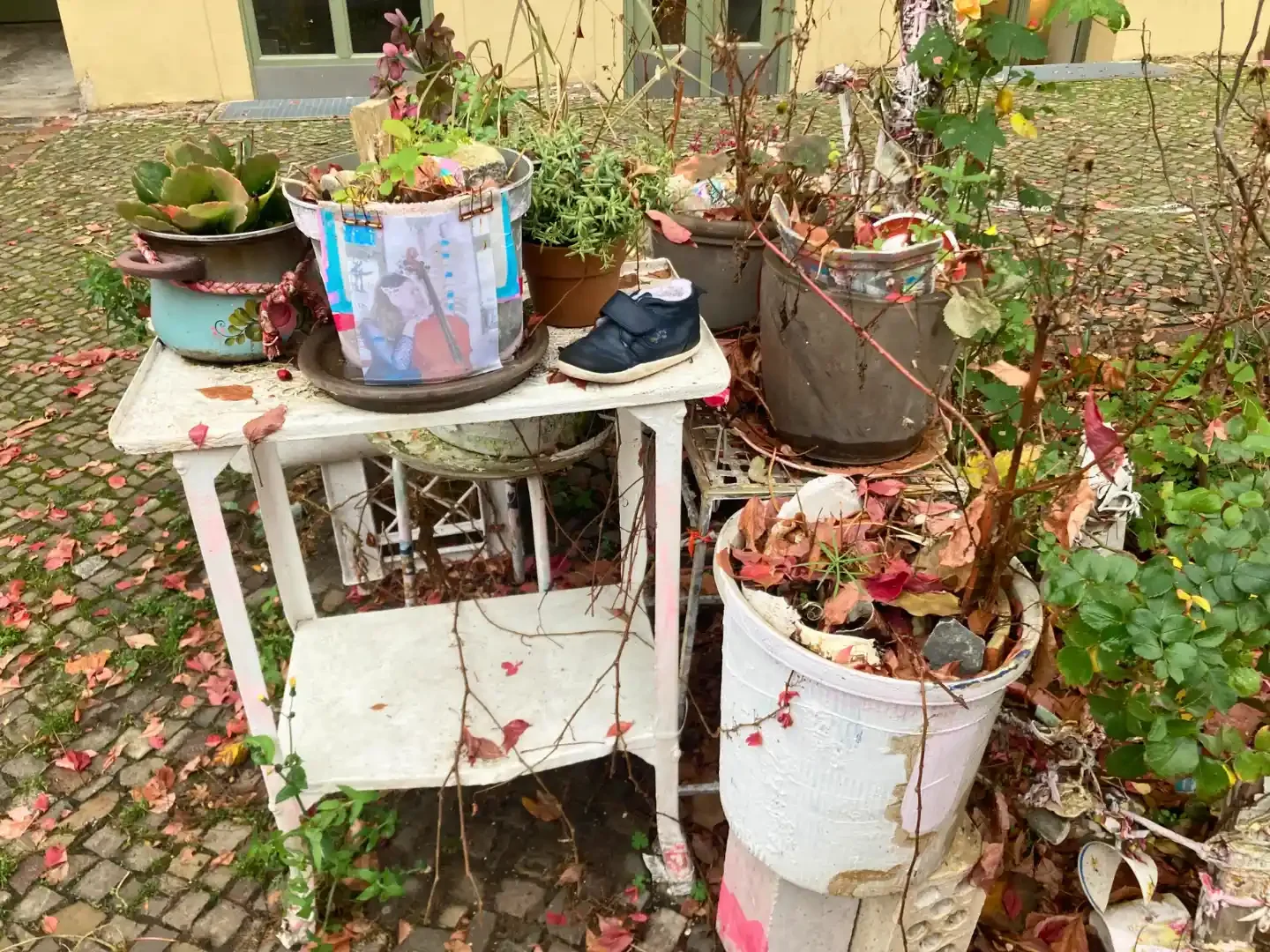
Copyright Knot Waste: Prenzlauer Berg, Berlin - Artists’ Communal Garden.
5 Simple Ways to Green Up Your Local Area
Tip 1: Plant Native Flowers and Shrubs
It’s easiest to plant and maintain native plants to your area as they’re suited to your local conditions. That means less watering, less need for fertiliser, and less effort from you. As much as you’d like to be sat playing with your shrubs all day, you’ve just not got the time.
Tip 2: Start a Community Garden
Start small. If you live in flats, start communal window boxes on the ground floor. If there’s waste ground near you, maybe it’s a project to pitch to your local council about. In any case, community gardens can help a broad range of society.
Tip 3: Add Plants to Small Spaces
Window boxes are great if you’ve not got space outside. They maximize limited vertical space, boost curb appeal, and improve mental well-being. Grow yourself some pretty flowers or a few herbs to put a bit of flavour into your kitchen efforts.
Tip 4: Support Tree Planting Projects
Tree planting projects take place all over with more trees planted meaning better carbon sequestration. Better for you, better for the planet. Check out the National Forest to find a tree planting event.
Tip 5: Reduce Hard Surfaces
It’s time to dig up the drive and create the little rockery that you’ve always wanted. Replacing paving with permeable or planted areas helps with drainage, and supports biodiversity.
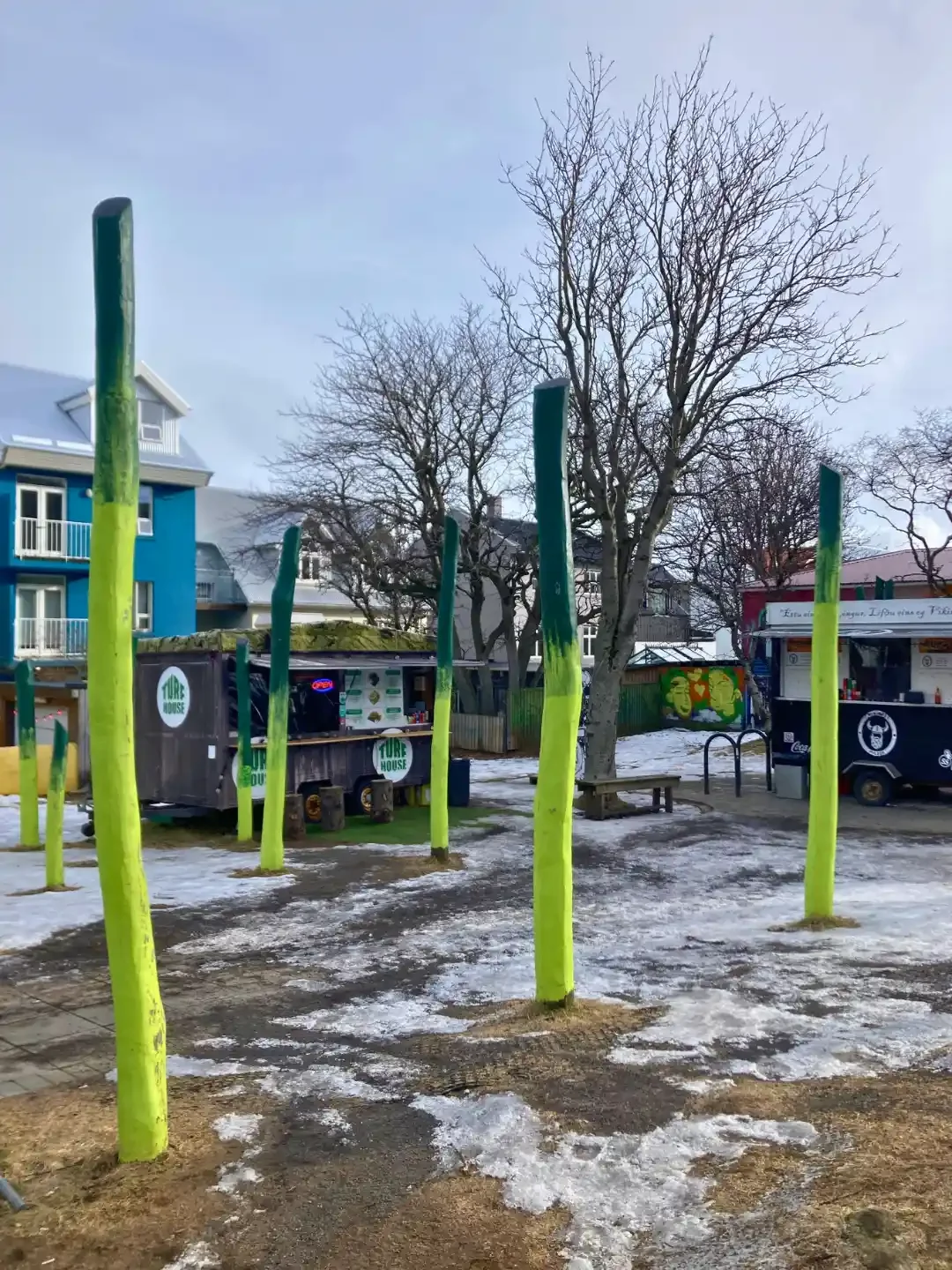
Copyright Knot Waste: Downtown Reykjavik, Iceland - Turf House.
Urban greening benefits both people and the planet, with even the smallest of actions making a difference. Start small in your own homes, or get out volunteering.
Create greener, healthier and more resilient communities for future generations.