
Showing Kindness to Animals in Our Urban Spaces
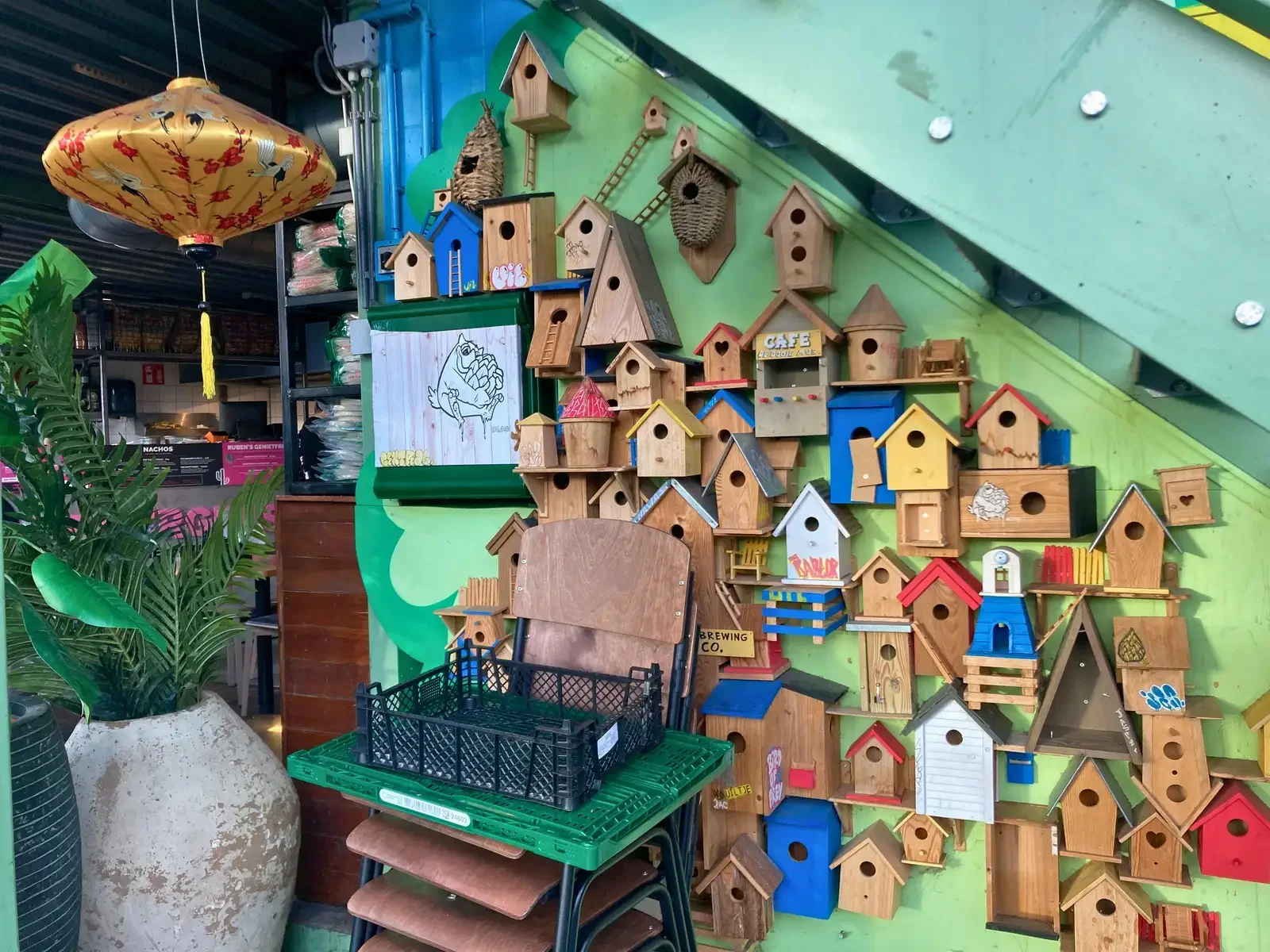
Copyright Knot Waste: Birdboxes in Food Market Tilburg, The Netherlands.
A little kindness goes a long way
When we say kindness, we often think it means that we should do something nice for family, friends or strangers that we meet along the way. The thing is that kindness can take many forms, and we should extend that compassion to the animals living alongside us.
Besides pets that live in our homes, we also share the streets, waterways, parks and green spaces with urban wildlife. From hedgehogs and foxes to birds, bees and butterflies, animals depend on safe habitats and access to food and shelter.
So, why not show a little kindness to the animals that share our urban environments?

Copyright Knot Waste: Urban Bird by a Barge in Berlin, Germany.
What is World Kindness Day?
It’s always some kind of day, and this week it’s World Kindness Day on the 13th November. Created in 1998 by the World Kindness Movement, the idea behind it is to get people out doing good deeds or just showing a bit of compassion to others within their communities.
Small acts of kindness can contribute to a more considerate world, and we don’t think that kindness should be limited to human relationships. We can also make thoughtful choices that benefit the natural world and the animals around us.
It’s not just our planet.

Copyright Knot Waste: Urban Parrot and Goldfish in a Breda Pet Shop.
Why do urban animals need our kindness?
Urban development, habitat loss, pollution and litter can make city and town environments challenging for wildlife.
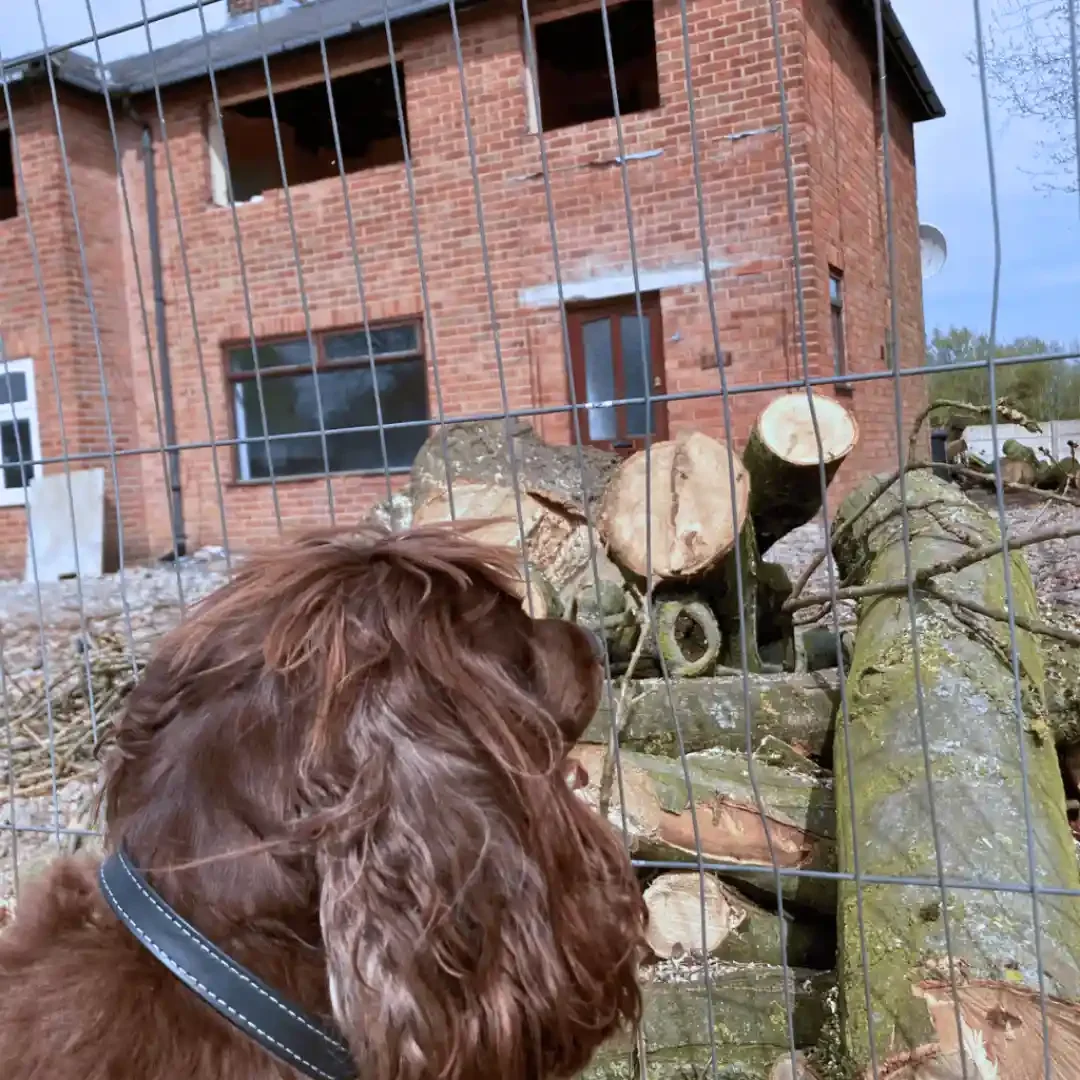
For example on our daily dog walks, we stand in dog turds, trip over empty pop bottles, and can’t even remember the last time that we saw the local fox. Last seen legging it across the playground as he’s been displaced by the local urban development. The building of new houses means the loss of even more green space, which also means less suitable food sources there are for bees and butterflies.
We live in hope that they’ll follow through with the promised revamping of the remaining green space and give us a community garden.
From insects to mammals, we share our urban environments with so many other things that are impacted by our daily actions. There are now so many roads and garden fences that we have to build hedgehog highways to help them find food and shelter!
Fortunately, not all animals are born equal and don’t face the daily struggles of a hedgehog, so some things don’t always need rescuing. For those that do, all we can do is make our surroundings as safe as possible, and allow animals to behave naturally.

Copyright Knot Waste: Urban Construction in Bilbao, The Basque Country.
Eight ways to show kindness to urban wildlife
Here are some ideas for ways in which we can show kindness to animals and our local urban environments not just because it’s World Kindness Day but because it’s the right thing to do always.
1.Pick up litter on local walks
You can pop on a pair of gloves and hang a carrier bag over your arm whilst on your daily walk, and pick up some discarded litter along the way. Or just take one piece of litter to the nearest public bin whilst out. Every piece chucked in the bin is better than just leaving it outdoors for something to slip or choke on.
2.Make Wildlife-friendly yards
Even a window cill can become your very own mini wildflower meadow by growing native flowers and plants in a small window box, that offer nectar and pollen for bees, butterflies and other insects.
3.Provide fresh water
A shallow dish of clean water can help birds, insects and other wildlife, particularly during dry weather. Make sure smaller animals can safely access and leave it.
4.Leave space for nature
Resist the urge to make every outdoor space perfectly tidy. A small wild corner, log pile or collection of fallen leaves can provide shelter and habitats for insects and other wildlife.
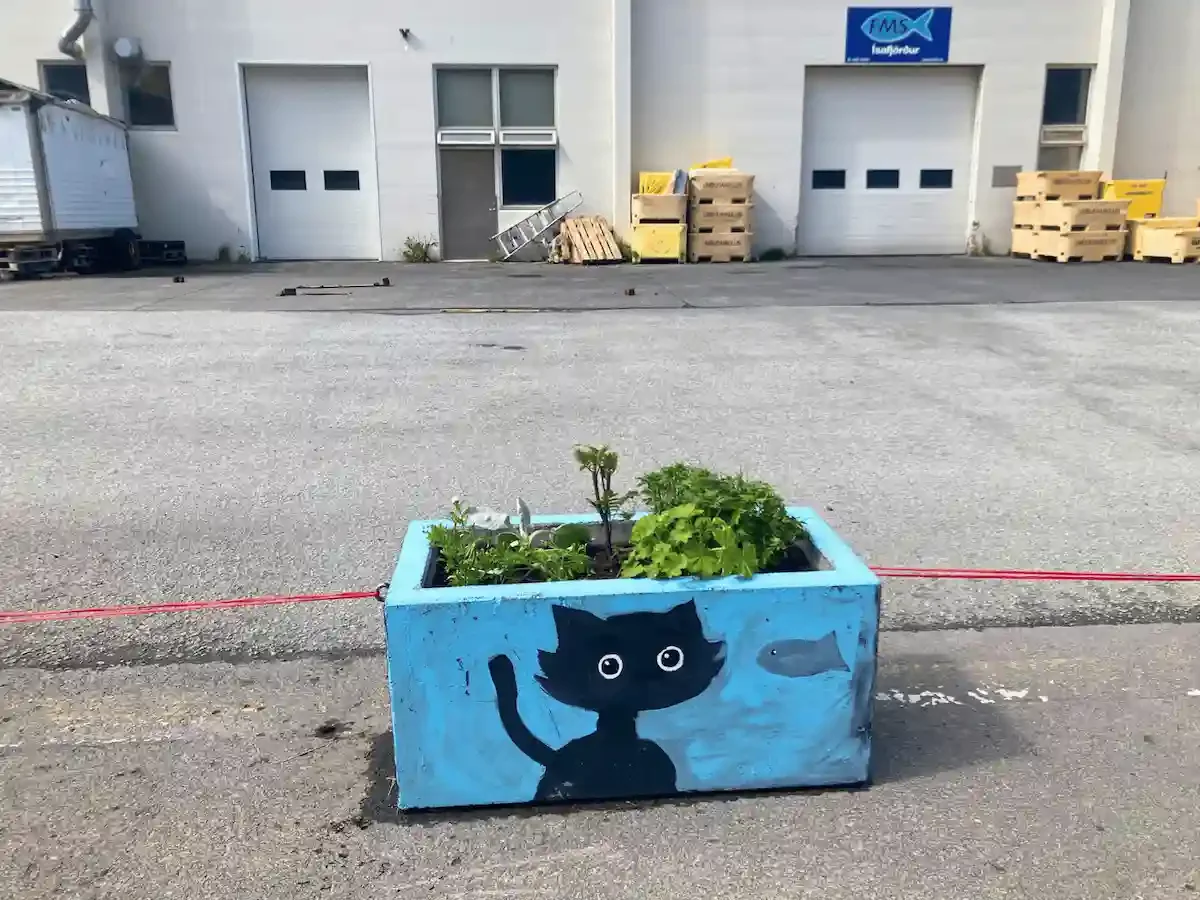
Copyright Knot Waste: Cat Mural on Plant Box in Ísafjörður, Iceland.
5.Make windows bird safe
Birds can easily mistake reflective windows for open spaces, so it’s best to make them bird-safe. Covering the outside surface of windows with multiple high-visibility markers, decals, or tapes rather than relying on a single sticker is what the RSPB suggests.
6.Control dogs around wildlife
It’s fine to let your dog off its lead for a run-about in safe spaces but just make sure that you give animals like nesting birds or hedgehogs plenty of space too.
7.Support local wildlife orgs
Even a few hours of your time can contribute to protecting local habitats, so consider volunteering with a local conservation group, supporting a wildlife charity or joining a community litter-picking initiative.
8.Help hedgehogs travel safe
If you have a garden, consider creating a hedgehog highway by making a small 13cm x 13cm opening in a suitable garden boundary. This allows hedgehogs to travel between gardens in search of food and shelter.

Copyright Knot Waste: Dog Poo Sign in Tilburg, The Netherlands.
Kindness through creativity: Spaniel in Urban Litter embroidery pattern
Creativity can be another way to express kindness towards animals and raise awareness of the environmental challenges they face.
At Knot Waste, we use embroidery as a way to explore our relationship with nature and encourage people to look more closely at their environments.
Our free ‘Spaniel in Urban Litter’ embroidery pattern highlights the problem of discarded rubbish in urban spaces and the potential dangers it poses to animals.
Download the free pattern, pick up your needle and thread, and use creativity to start conversations about protecting wildlife.
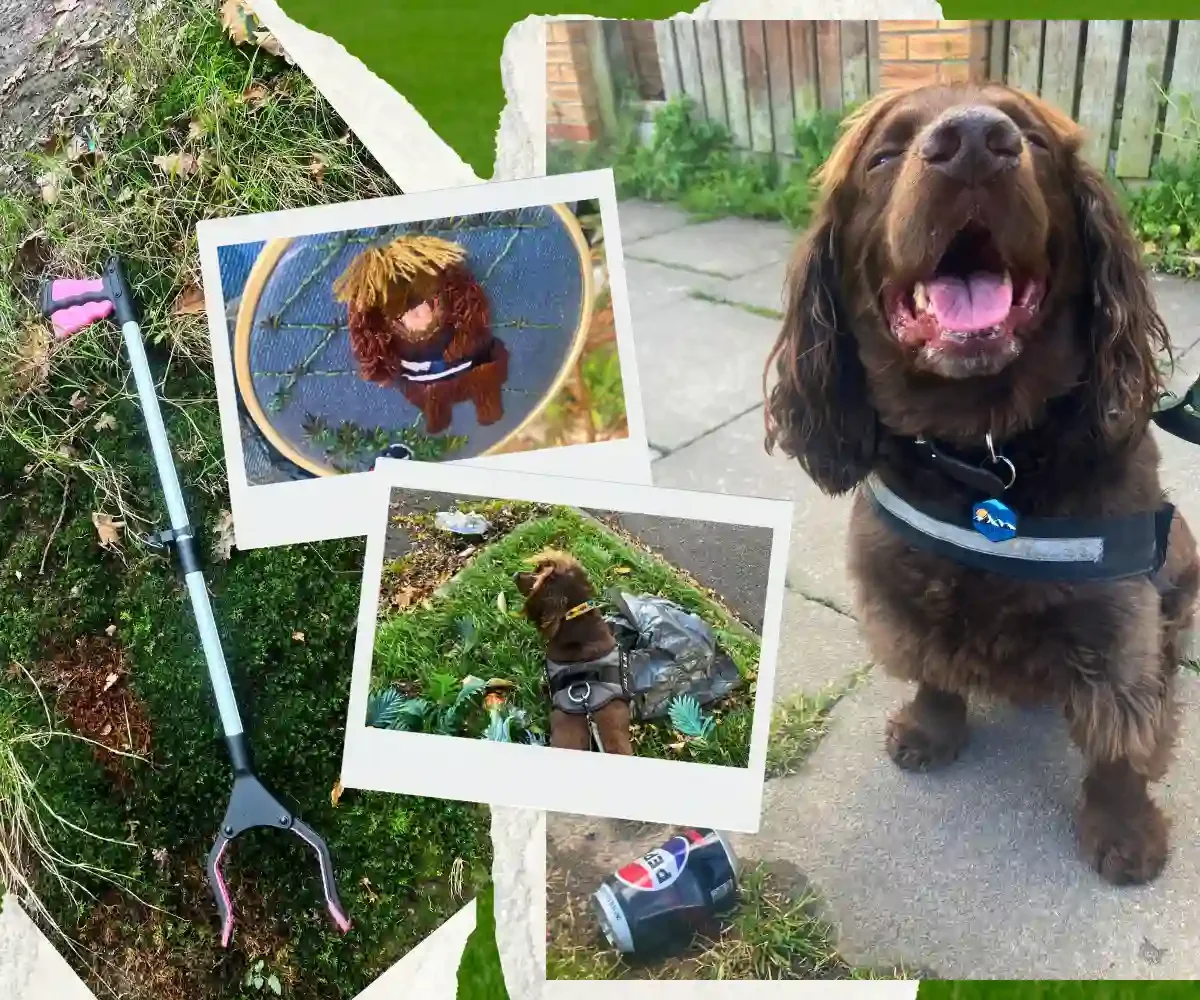
Download your free Spaniel in Urban Litter Embroidery Pattern HERE.
Small acts of kindness can make a difference
We don't need to organise a major conservation project or transform an entire neighbourhood to make a difference. Picking up a piece of litter, planting a pollinator-friendly flower or giving wildlife a little more space are all small ways to show kindness.
Why not make kindness towards animals part of your everyday lives, and not just something that you think about on the 13th November.
Download your free ‘Spaniel in Urban Litter’ embroidery pattern, and learn more about embroidery as nature connection here.
Further Reading: How Litter Affects Climate Change
Latest Substack: We tried to start a Sit Spot Routine with an Hyperactive Spaniel.