
Growing Food, Reducing Waste and Supporting Communities
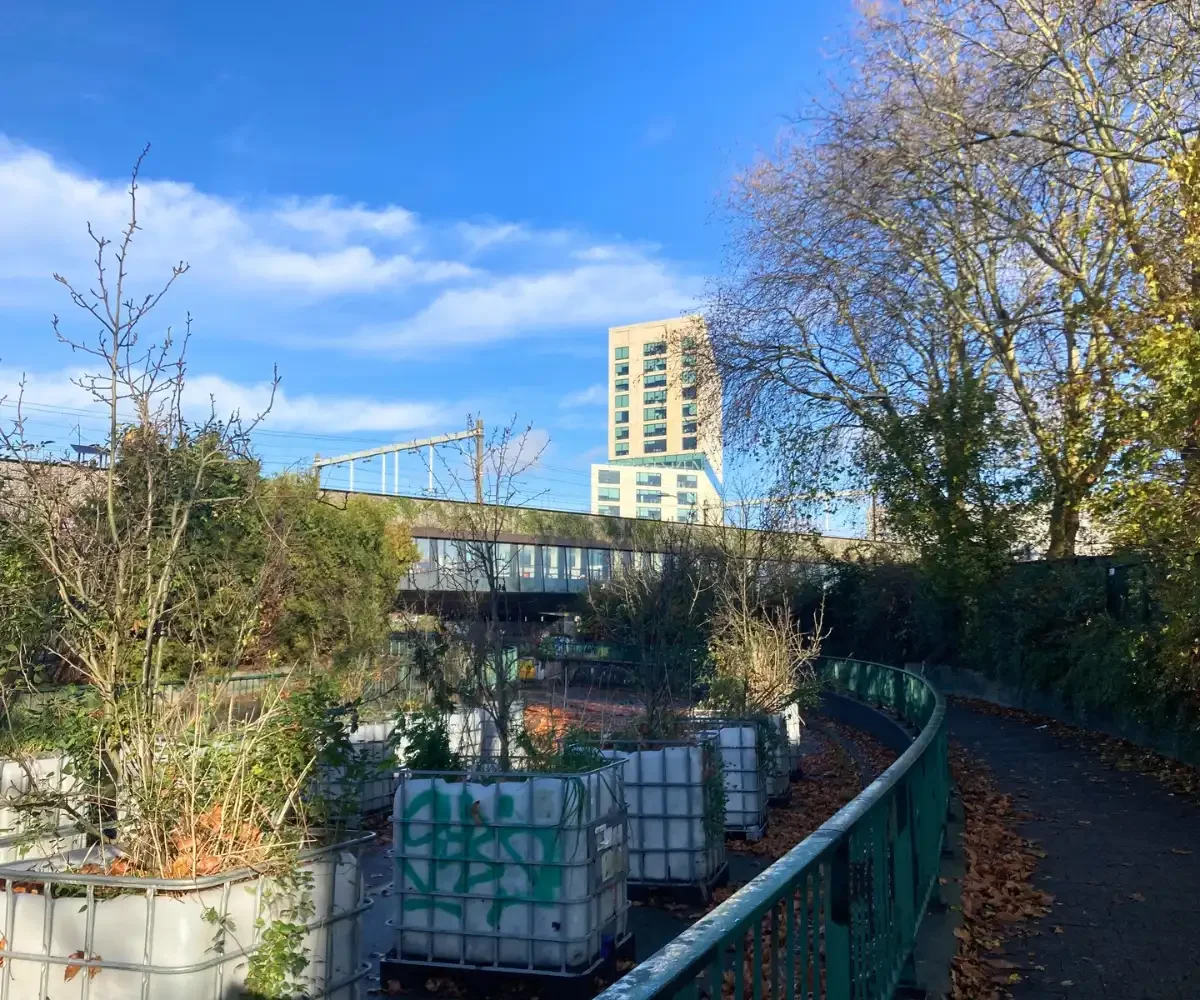
Copyright Knot Waste: Urban Gardening in Breda, The Netherlands.
World Vegan Month and the challenge of eating sustainably
November is World Vegan Month. Whether you’re already vegan or not, it can be a time to reconsider our relationships with food. This article isn’t about us trying to turn everybody vegan, that’s your own personal decisions. This article is about helping people to make better food choices, which consequently helps to improve health and wellbeing, and in turn the environment around us.
Despite knowing that eating more plant-based food can benefit both our health and the environment, it’s not always an easy choice for everyone.
So, could making our cities more edible help us to overcome these barriers and alleviate food insecurity for those who need it the most?
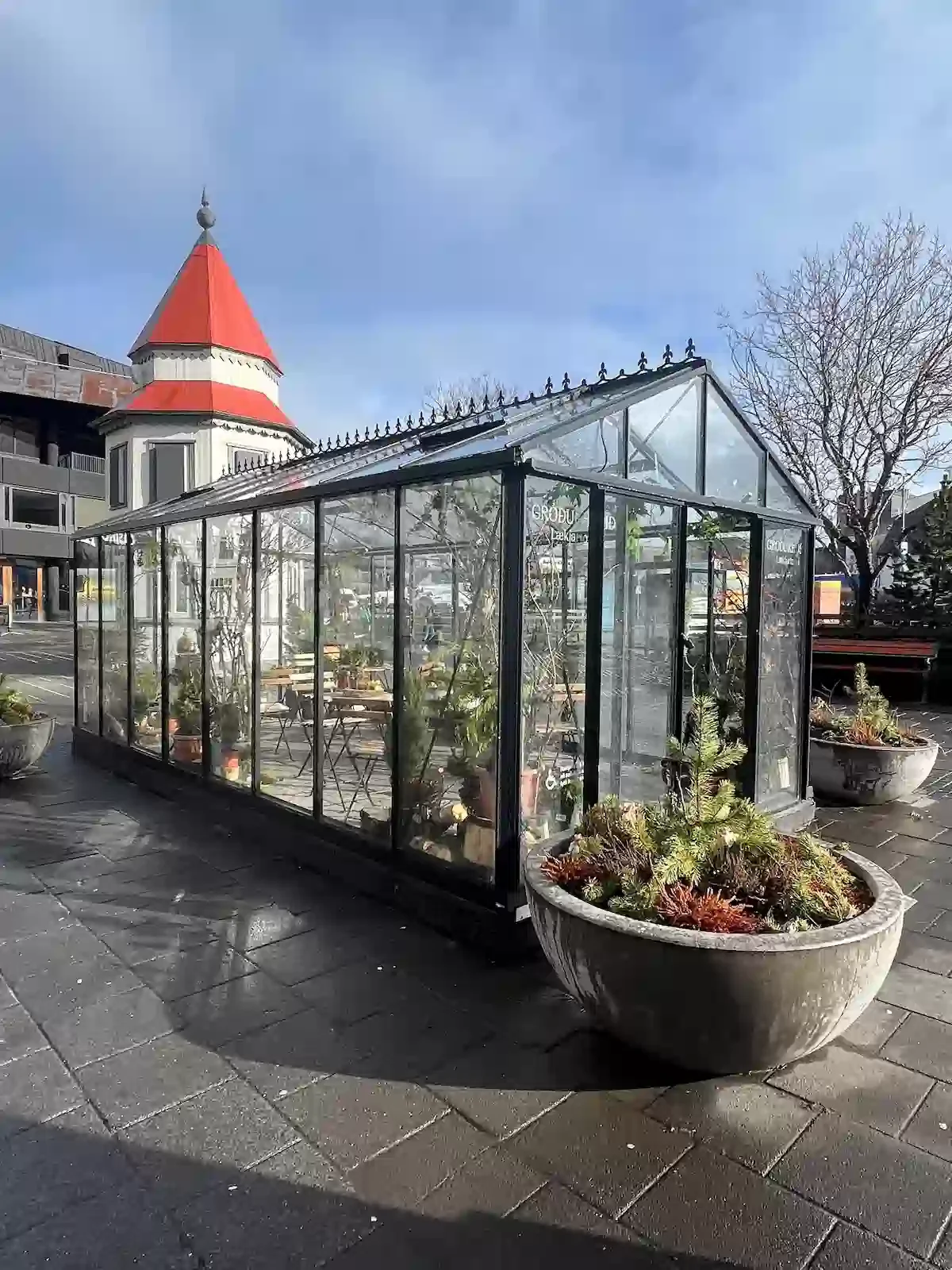
Copyright Knot Waste: Public Greenhouse with Sit Spots in Reykjavik, Iceland.
Why eating more vegetables isn't always easy
A 2024 UK research review covering 50 studies explains that poor diet is one the biggest preventable risk factors to ill-health and adherence to healthy eating recommendations has the potential to increase life expectancy and prevent cardiovascular diseases and some cancers. Despite recognising this,
“Every year, in the UK, diets that are low in vegetables and legumes are associated with 18,000 premature deaths.”
The report found that environmental factors, including affordability and accessibility, were major barriers to healthy eating in disadvantaged communities. (Springer Nature).
When you don’t have basic cooking skills and you’re short of time, popping into your local supermarket means reaching for the easiest option, which is usually a ready meal or sugary, fat-filled alternatives to fresh produce. When fruit and veg is also the most expensive option, you sack off all of your good intentions for something that you can actually afford.
“Households in the lowest income fifth would need to spend approximately 45% of their disposable income to afford the diet recommended by the Eatwell Guide, compared with 11% for the highest income fifth,” - UK Government's Food Security Report 2024.
There are lots of communities in the UK that have limited access to affordable fresh produce, and not everyone has access to adequate kitchen facilities, refrigeration or cooking equipment.
What if we started thinking about food availability as something that could be built into the design of our towns and cities?
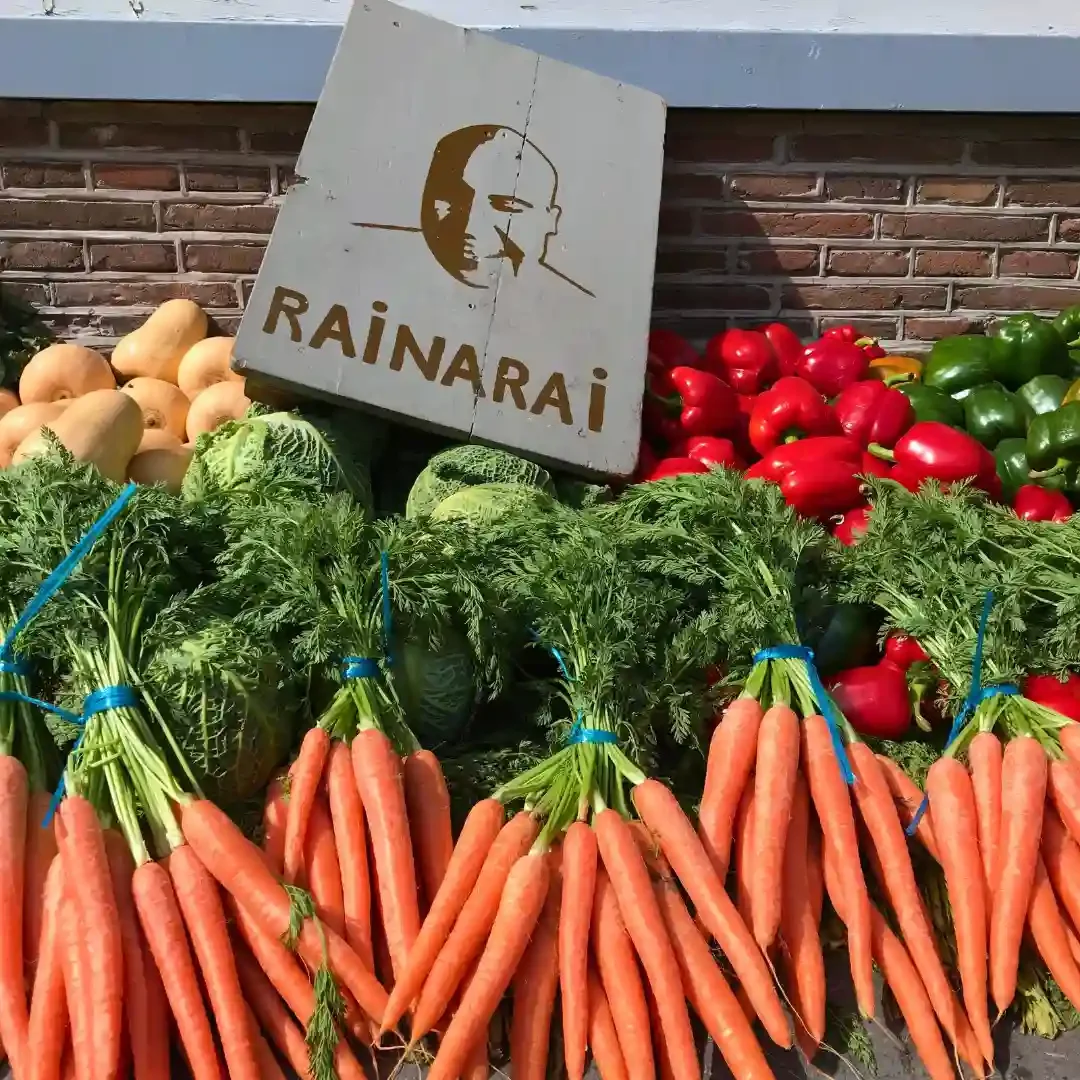
What is an edible city?
Edible cities are sometimes also called edible landscapes. It’s when urban spaces are used for growing useful things like fruit or veg rather than just planting something that looks pretty.
For example, roadside verges, rooftops and vertical growing spaces are transformed. Planting plots pop up on school grounds, and community gardens are also created around community centres and estates.
Edible cities provide access to fresh food, encourage biodiversity, bring communities together, teach practical skills and make food production more visible. The idea extends beyond just growing veggies, it's about creating a local food culture in which people can participate and benefit.
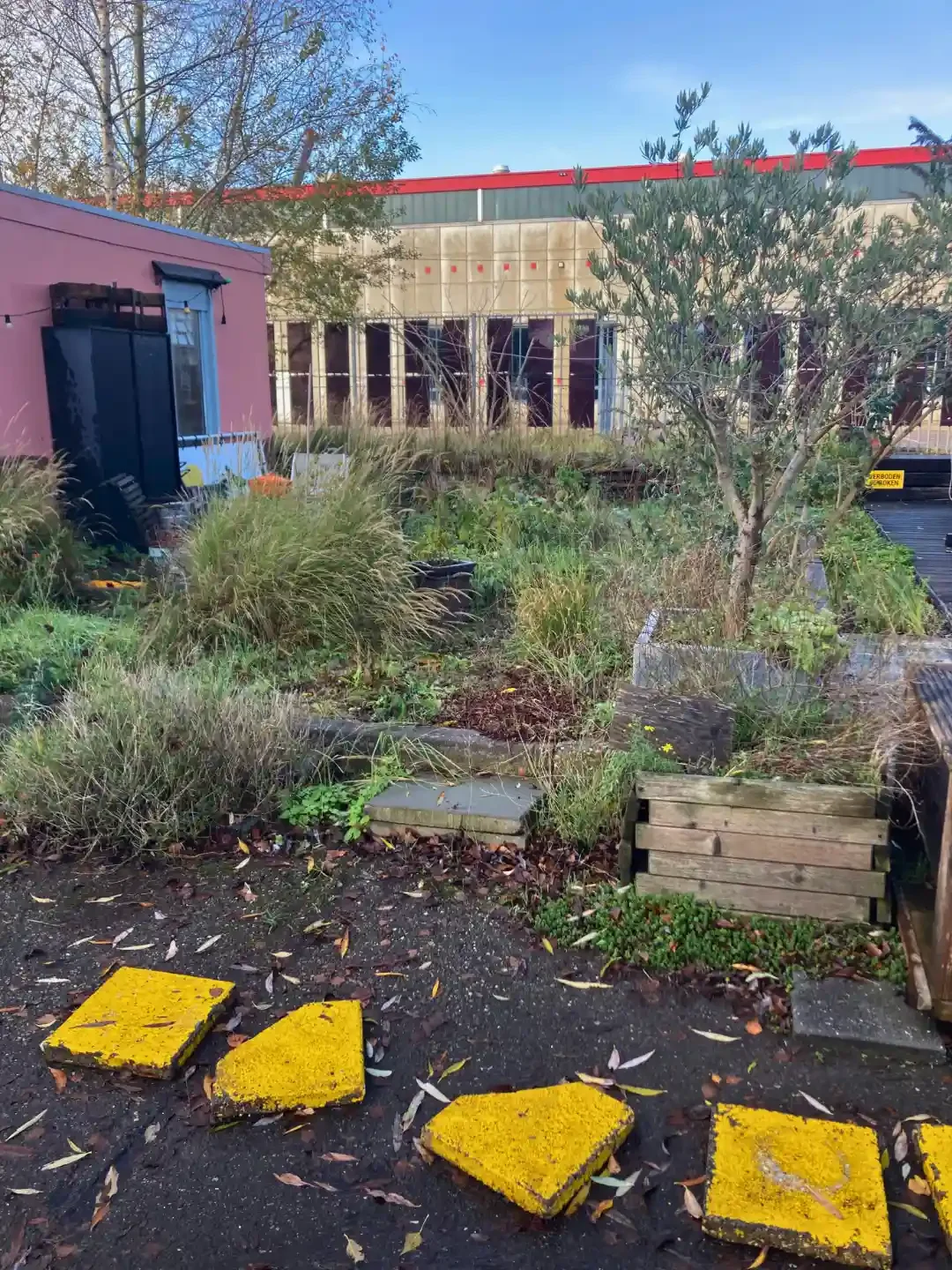
Copyright Knot Waste: Urban Gardening
Examples from around the world
Andernach, Germany – The Edible City
Since 2010, Andernach has been one of the best-known examples of a town that’s turned urban spaces into edible gardens. Long gone is planting purely for decoration but instead spaces have been reimagined with veggies, herbs and fruit trees.
Best of all, they have the motto ‘Picking Allowed’, so residents and visitors can harvest produce for free. The initiative has not only encouraged community participation but also created employment opportunities, and helped to educate children at local schools.
Todmorden, England – Incredible Edible
Incredible Edible Todmorden began in 2008, encouraging residents to grow food in visible public spaces, including around the railway station, health centre and police station.
This small community-led initiative has encouraged food education, social connections and local participation. It’s also inspired similar groups elsewhere.
Growing Local – Bringing Growing and Cooking Together
Providing food is valuable, but helping people develop the confidence and skills to grow and prepare it can have longer-lasting benefits.
Growing Local is a leading example of how the concept can extend beyond public harvesting, with its educational garden including accessible growing beds, a field kitchen and outdoor clay pizza ovens. It’s also got a Community Cook Studio planned to open in 2027, which will offer practical workshops around growing, harvesting and cooking seasonal produce.
The benefits and challenges of edible cities
The Potential Benefits
~ Increased access to locally grown fruit, vegetables and herbs.
~ Opportunities to learn gardening, cooking and food preservation.
~ More green spaces, pollinator habitats and biodiversity.
~ Stronger neighbourhood relationships and community participation.
~ Opportunities for volunteering, training and employment.
But There Are Challenges
~ Urban growing spaces produce relatively small quantities compared with
commercial agriculture.
~ Gardens need ongoing funding, maintenance, volunteers and access to water.
~ Not all urban land is suitable for growing food, particularly where soil
contamination is a concern.
~ Public harvesting doesn't automatically guarantee that produce reaches the
people who need it most.
~ Seasonal growing means availability varies throughout the year.
If we weigh up both the pros and cons, then we realise that edible cities should complement, rather than replace, affordable supermarkets, food support services and wider action to tackle poverty.
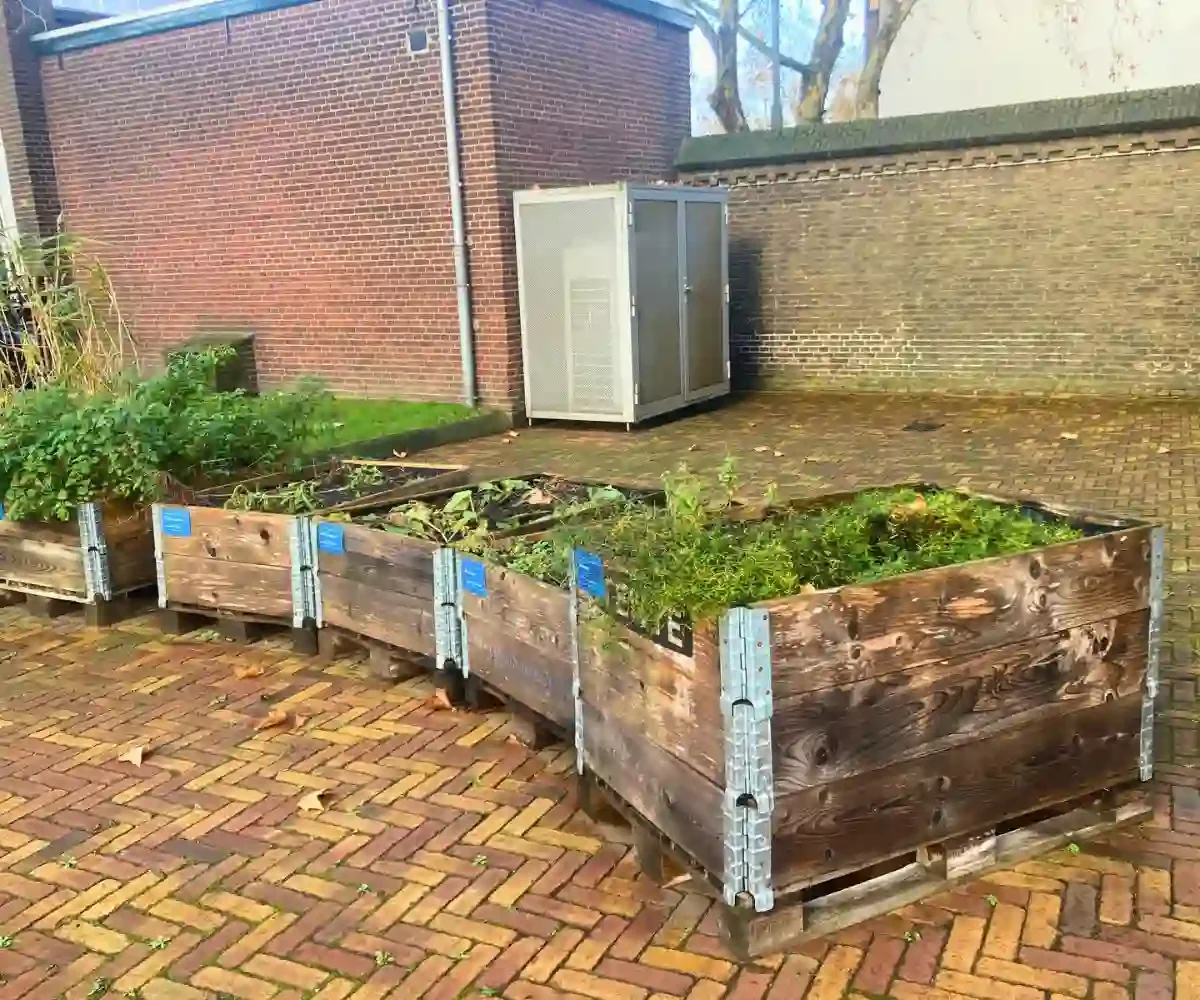
Copyright Knot Waste: Planters in Tilburg, The Netherlands.
World Vegan Month: why eating less meat can help the planet
Climate change also impacts food prices, with the extreme weather over recent years contributing to inflation and increasing the price of certain foods. This could also have an impact on existing food inequalities, as the the Grantham Institute suggests that those with the fewest resources are the least able to adapt to climate change in general. Small changes in their income due to climate events such as floods and rising temperatures, can result in overwhelming losses to welfare and livelihoods.
Nobody has to become vegan to make a positive environmental difference, it’s about reducing your meat consumption. Scoffing less beef and lamb can lower the environmental footprint of our diets.
“Replacing meat, dairy, and eggs with plant-based alternatives could have large environmental and health benefits in places where consumption of these foods is high”- The UK Government's Food Security Report.
Animal agriculture needs lots of land and resources, and contributes to greenhouse gas emissions, including methane. Growing plant-based foods for direct human consumption can also be more resource-efficient than growing animal feed.
Don’t view veganism as an all-or-nothing commitment, instead experiment with seasonal vegetables, pulses, beans and lentils to improve your own diets and help the planet at the same time.
Tackling food waste: apps that can help
1.Too Good To Go
Allows users to purchase discounted surplus food from local shops, bakeries, cafés and restaurants through Surprise Bags. More Info.
2.OLIO
A community-sharing app where neighbours and local businesses can give away surplus food for free. More Info.
3.Community Fridge Network
Community fridges allow people to share surplus food locally, helping reduce waste and improve access to food. More Info.
Growing a more inclusive food future
Edible cities offer an opportunity to rethink how we use urban spaces, bringing food production closer to the communities that need it. They won't solve food insecurity alone, but combining accessible growing spaces, practical education and food-sharing initiatives could help create healthier, more connected and sustainable neighbourhoods.
Perhaps the future of greener cities isn't just about planting more trees or creating attractive green spaces. It's about creating places where people can reconnect with nature through the food they grow, share and eat… Making environmental sustainability something that benefits everyone, not just those who can afford it.
Read Now: Growing Food When You Don’t Have An Allotment
Latest Substack: We tried litterpicking after Bonfire Night to help urban animals.