
Trips for Nature Connection.
iPhone photo diary from our Iceland Travels.
Knot Waste
Iceland
Northern Lights
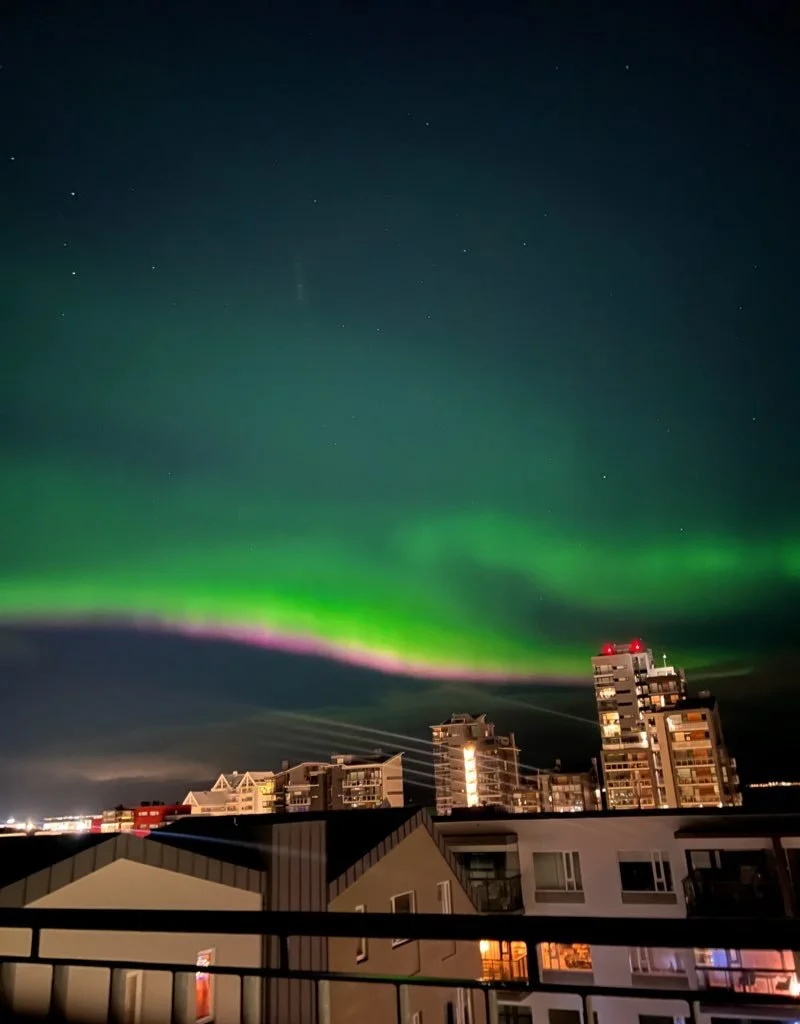
The Northern Lights, or aurora borealis, are one of Iceland’s most spectacular natural phenomena, created when charged particles from the Sun collide with gases in Earth’s upper atmosphere. The result can be a shimmering display of green, pink, purple, blue and sometimes red light dancing across the night sky. In Iceland, the best chance of seeing the aurora is between late August and late April, when nights are dark and skies are clear or partly clear; organised Northern Lights trips often take visitors away from Reykjavík to darker locations with less light pollution.
But darkness is important for more than seeing the stars and aurora. Light pollution from towns, roads and buildings artificially brightens the night, making the Northern Lights harder to see while also disrupting natural behaviours such as feeding, migration, reproduction and navigation in wildlife. Protecting Iceland’s dark skies therefore helps preserve both the experience of the aurora and the natural nighttime ecosystems that depend on darkness.
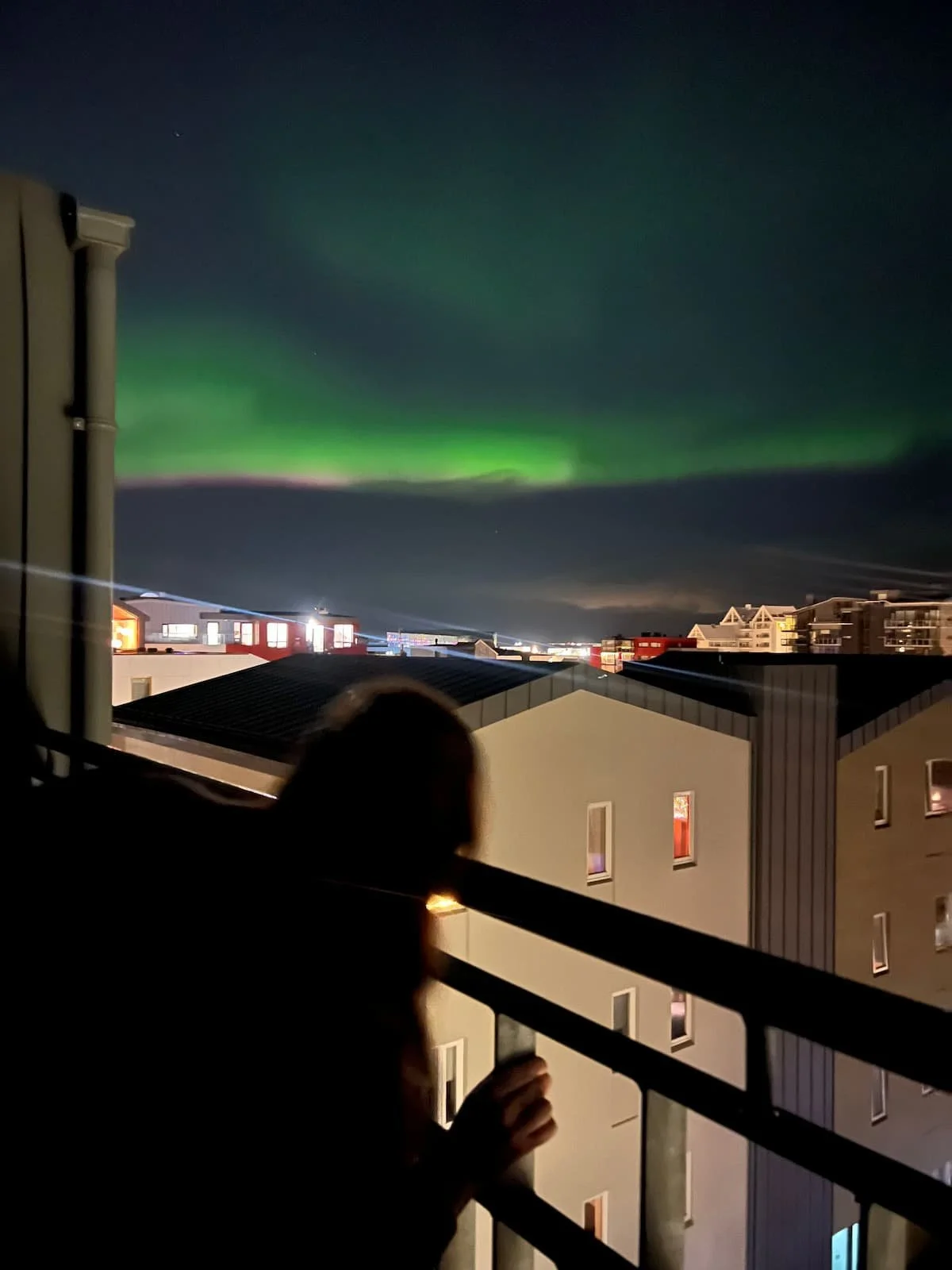
Copyright Knot Waste: Iceland, Northern Lights - Watching the Aurora Borealis from a balcony in central Reykjavik.
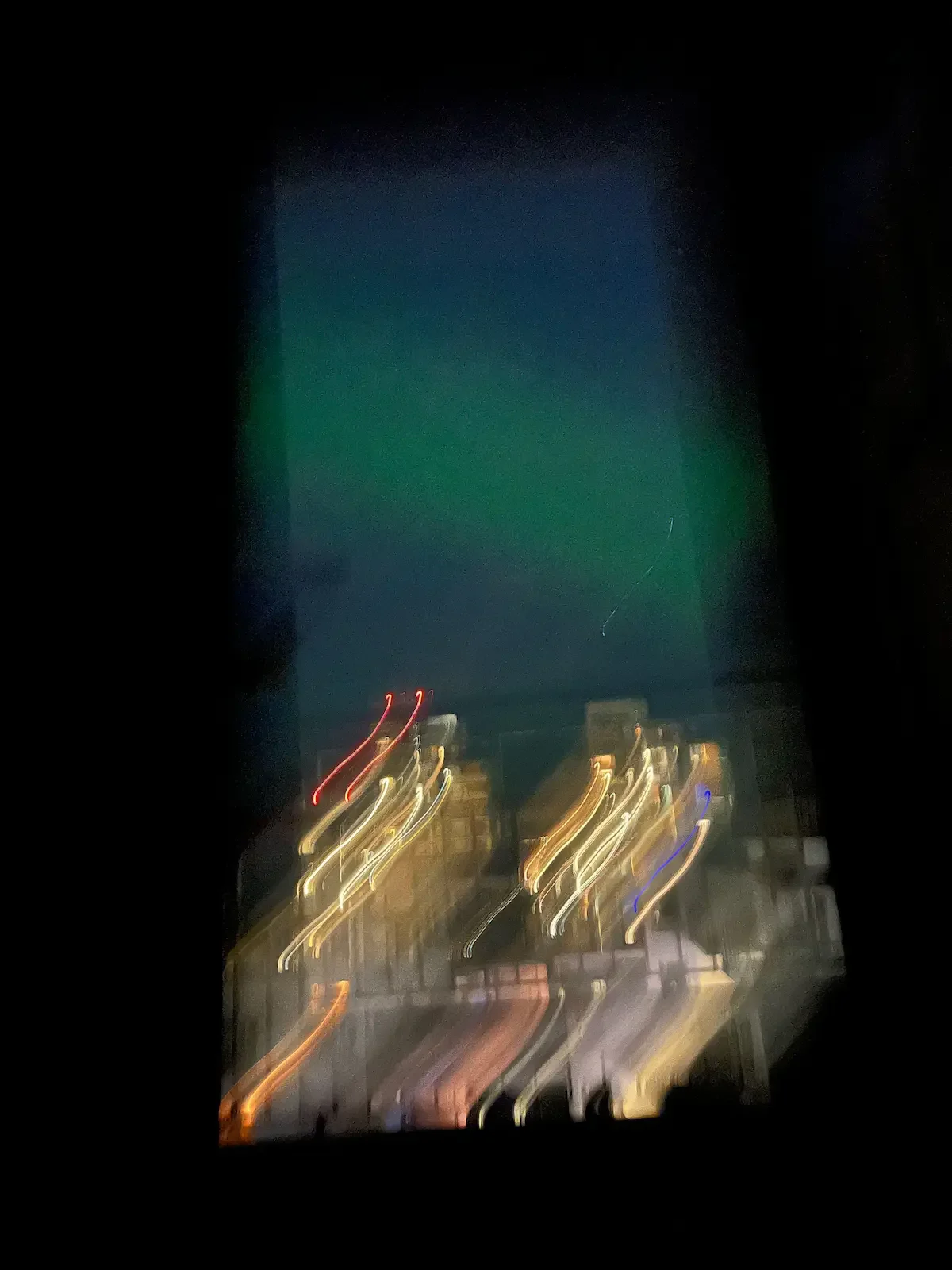
Copyright Knot Waste: Iceland, Northern Lights - The Aurora Borealis require a dark sky with minimal light pollution to be seen.
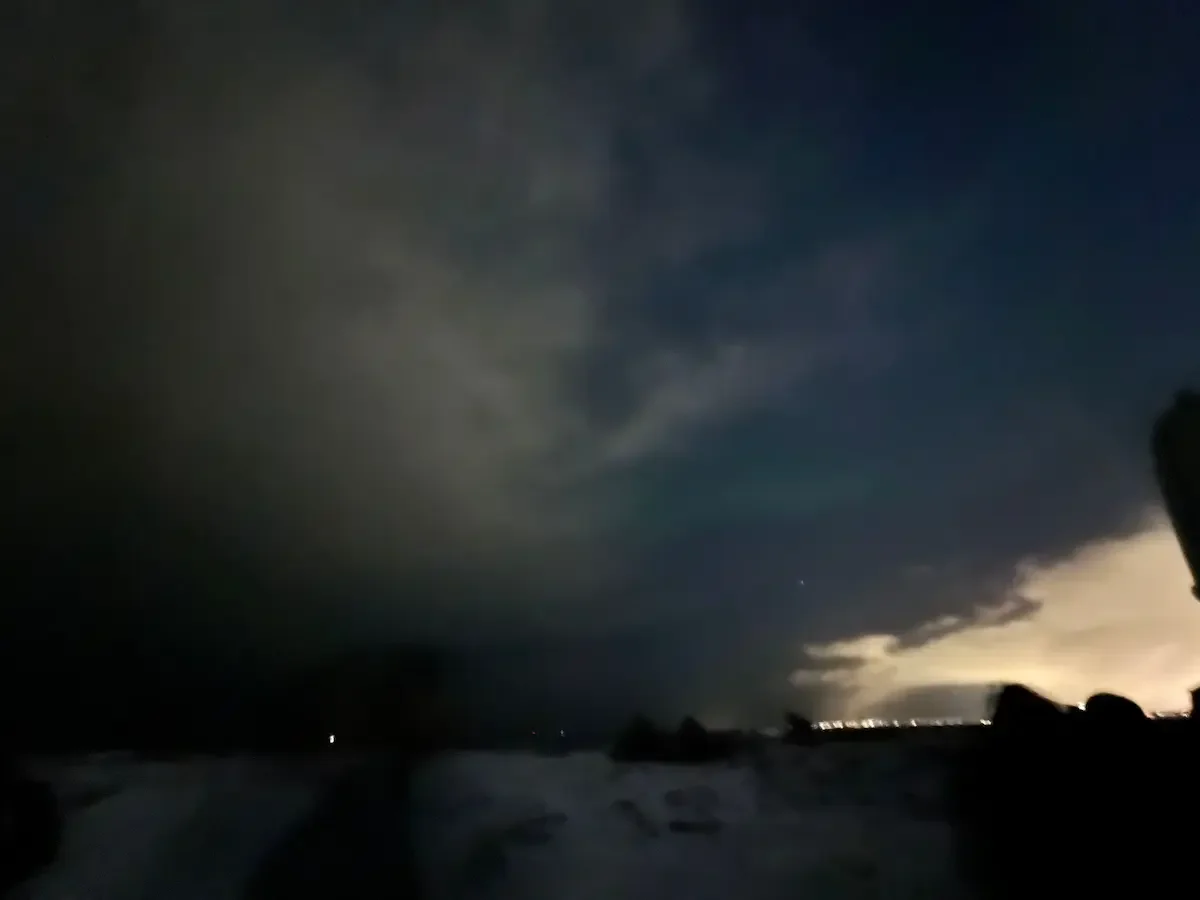
Copyright Knot Waste: Iceland, Light Pollution - Seen around an hour outside of Reykjavik on a Northern Lights Hunting Tour.
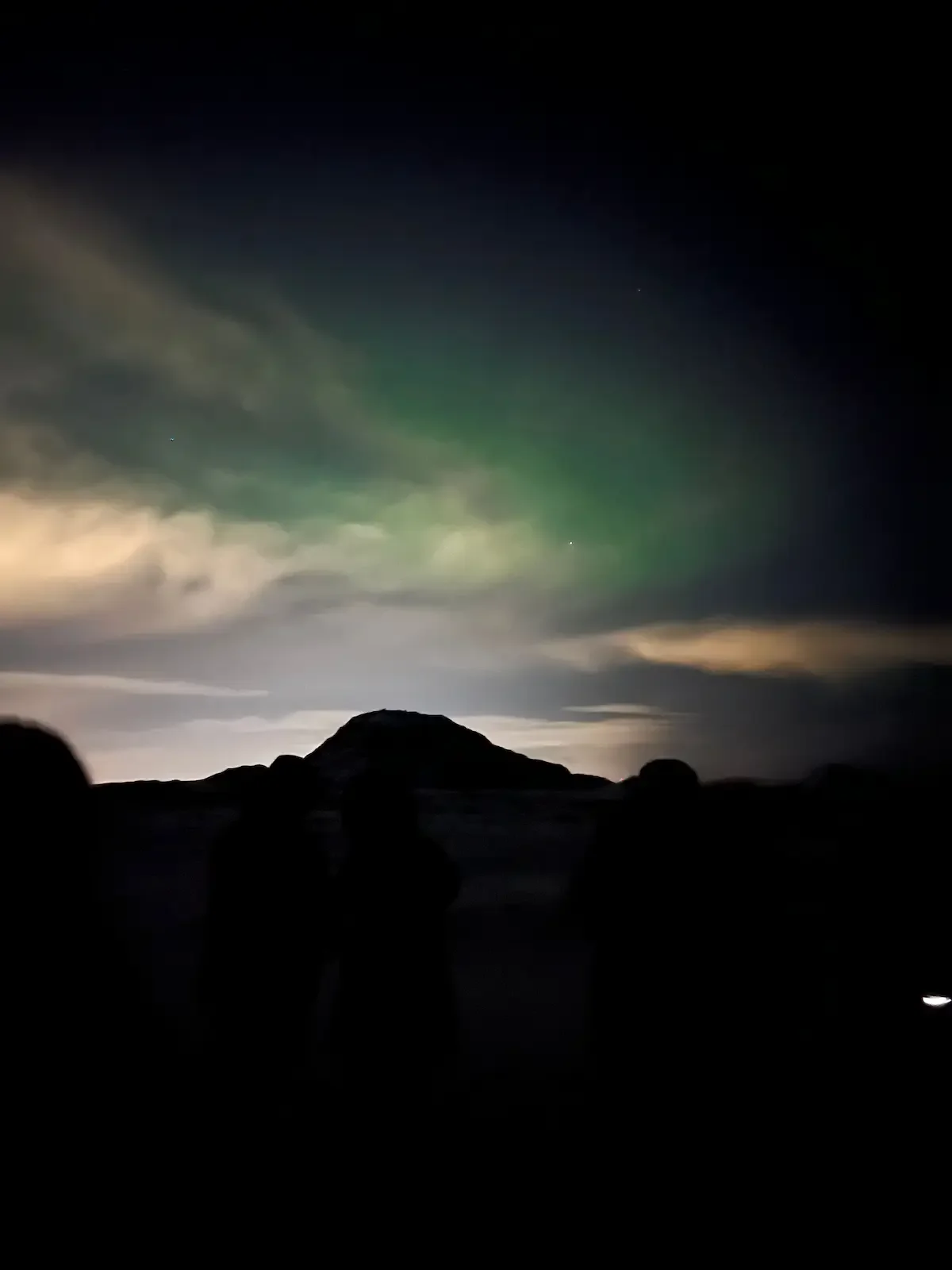
Copyright Knot Waste: Iceland, Northern Lights - Captured on iPhone. This was outside of Reykjavik at a dark night observation spot.
Copyright Knot Waste: Iceland, Northern Lights - Charged particles from the sun travel on the solar wind, crashing into the earth's upper atmosphere. This causes the gases to glow shades of pink or green.
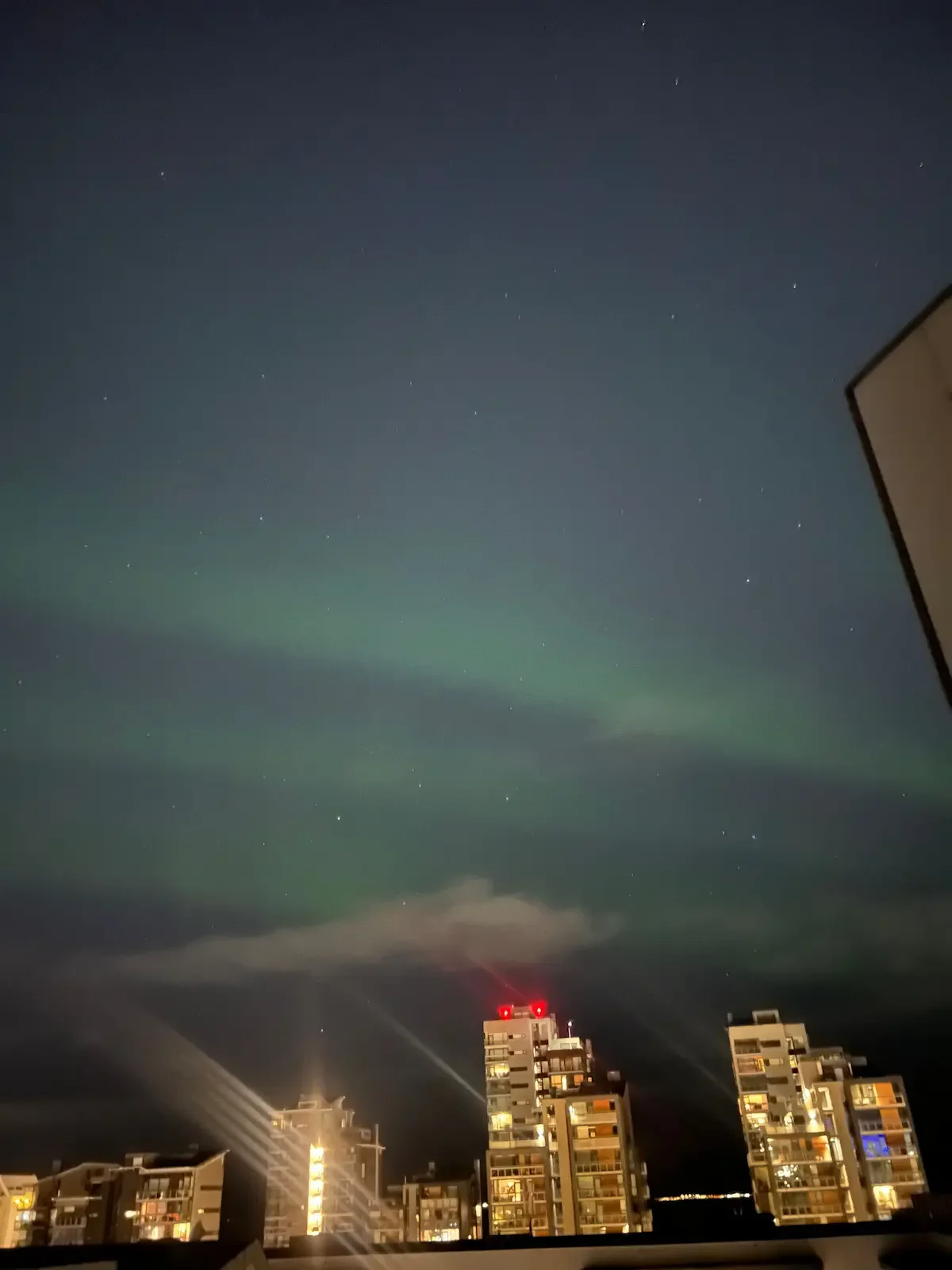
Copyright Knot Waste: Iceland, Northern Lights - The light pollution from the city dims the Aurora Borealis but it is still possible to view them in the city skies on an active night.
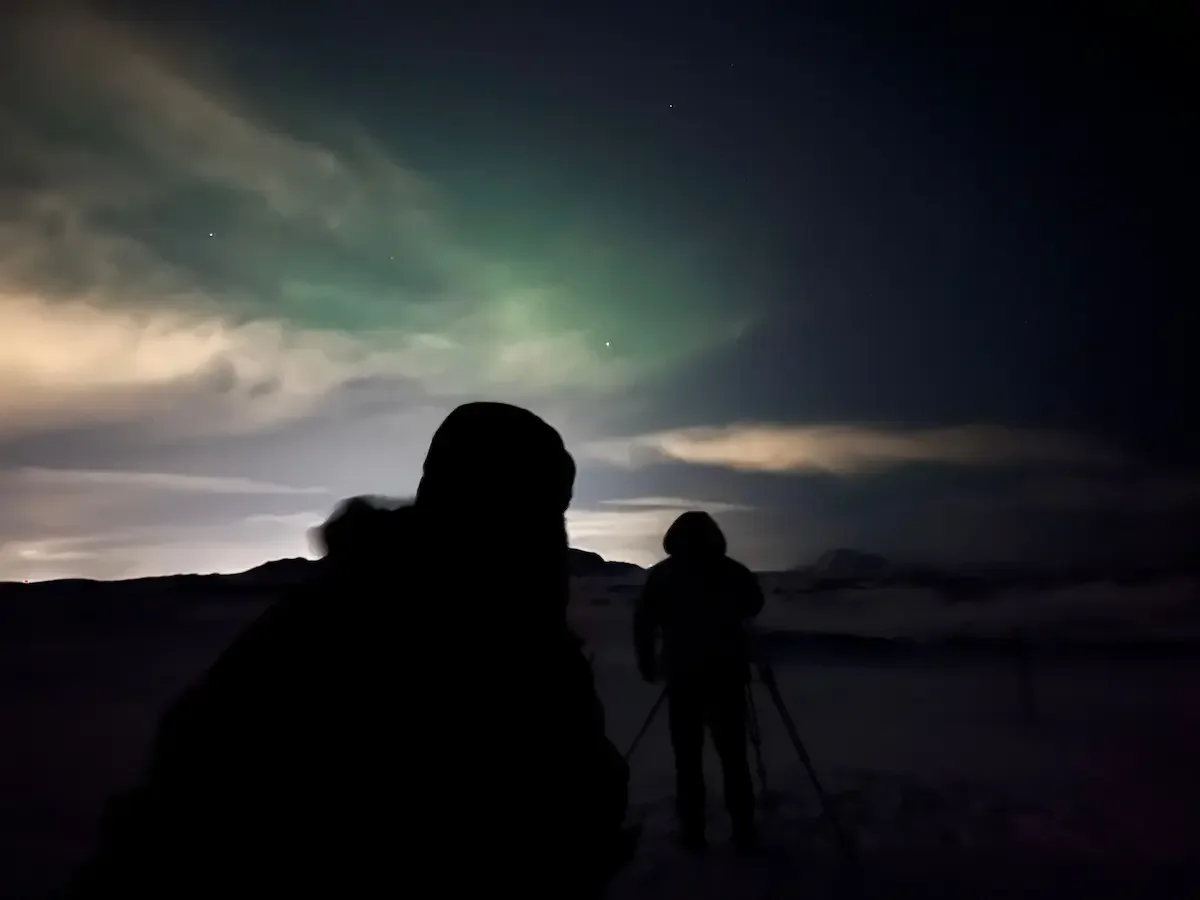
Copyright Knot Waste: Iceland, Northern Lights - Your camera or phone has to be completely still to capture the lights; our tour guide using a tripod in the distance.
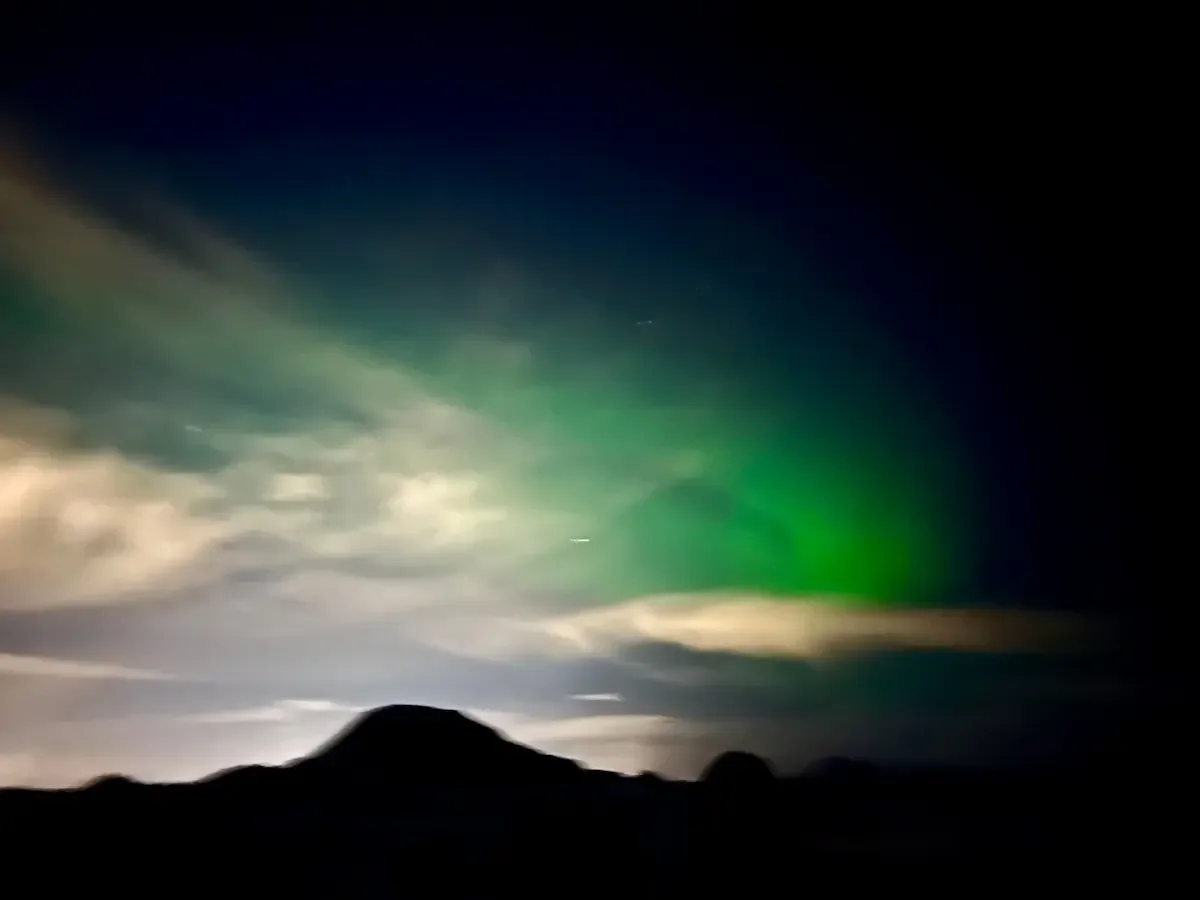
Copyright Knot Waste: Iceland, Northern Lights - Aurora Borealis illuminate the skies about the mountains.
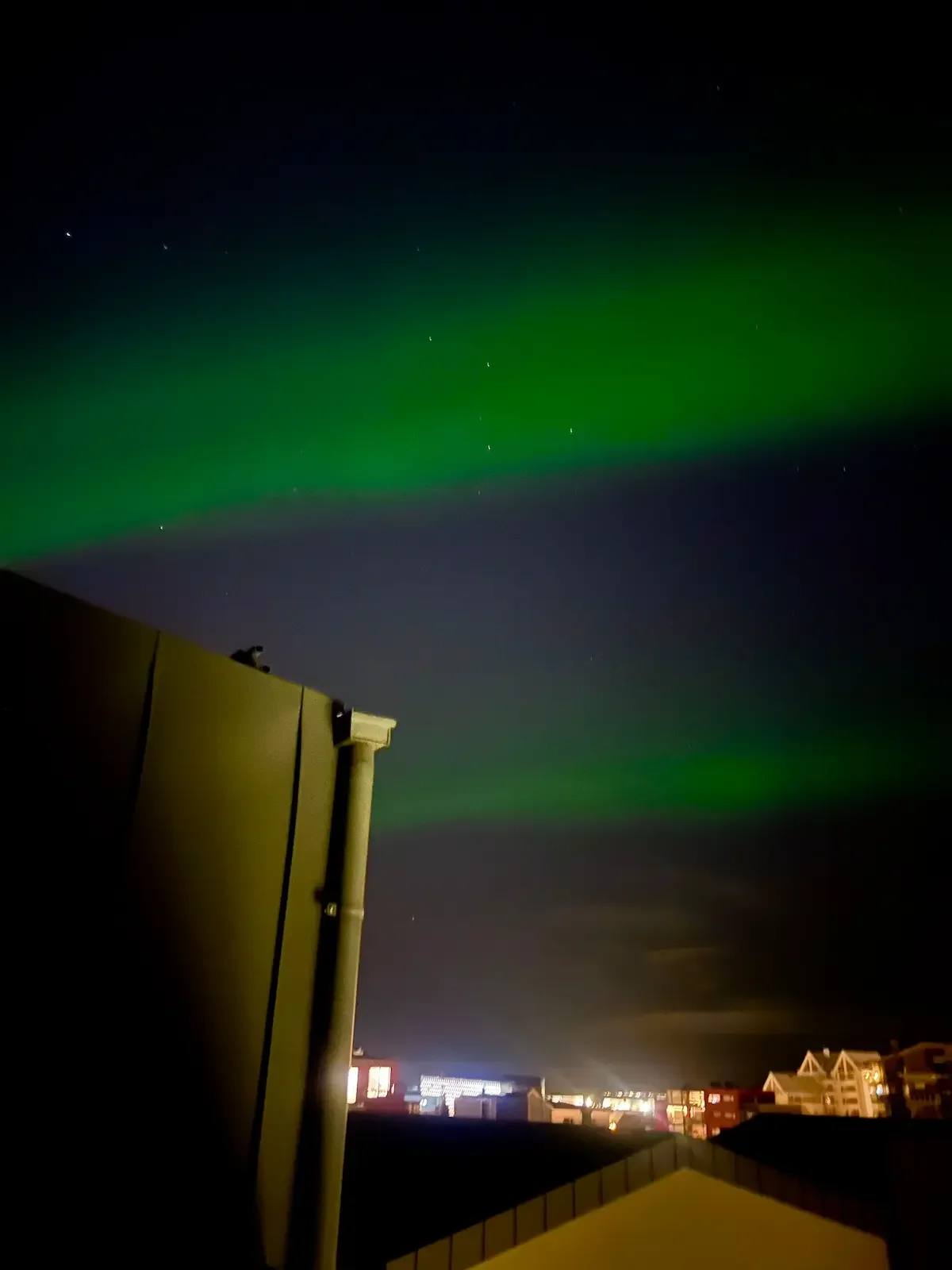
Copyright Knot Waste: Iceland, Northern Lights - On nights when Aurora Borealis are very active, they can be captured in certain areas around the city centre.
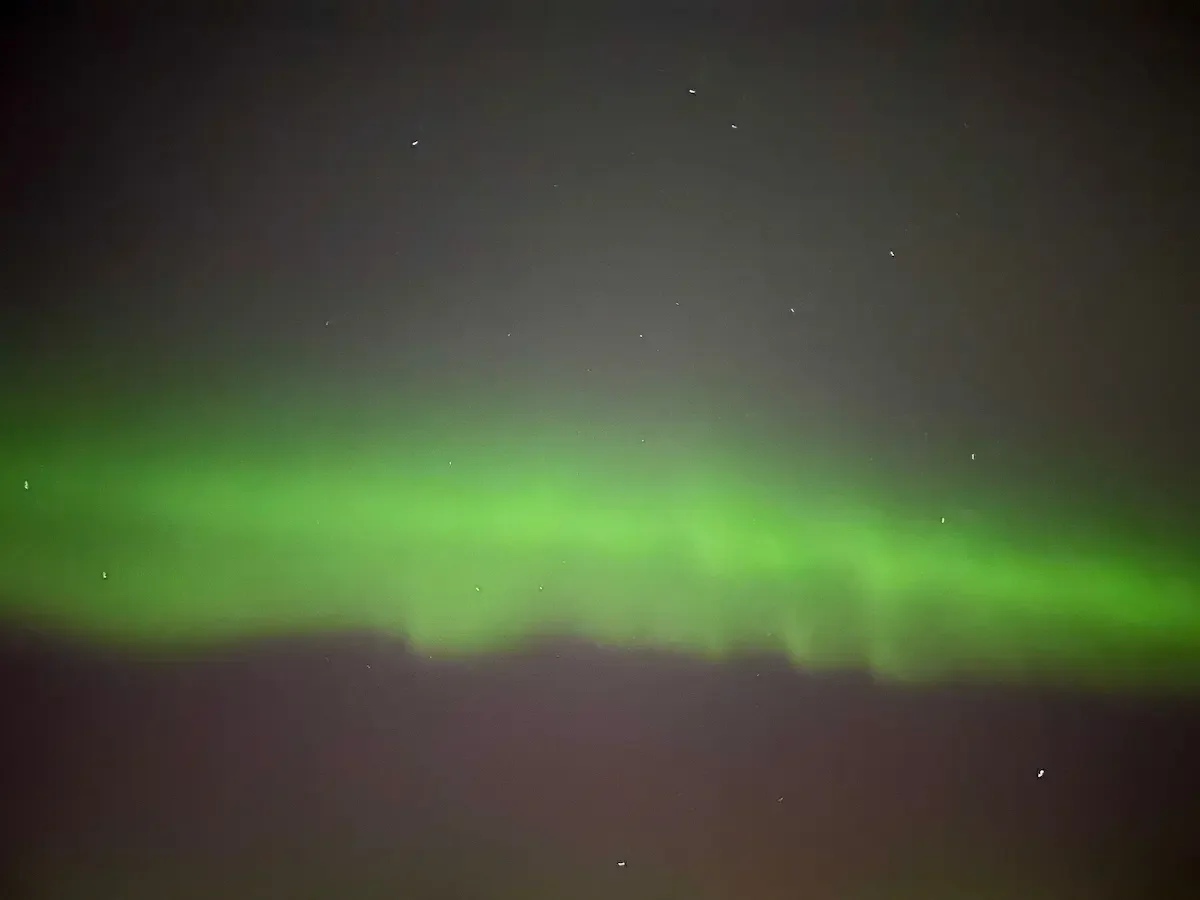
Copyright Knot Waste: Iceland, Northern Lights - The most common colour, followed by pink or purple, with red being pretty rare.
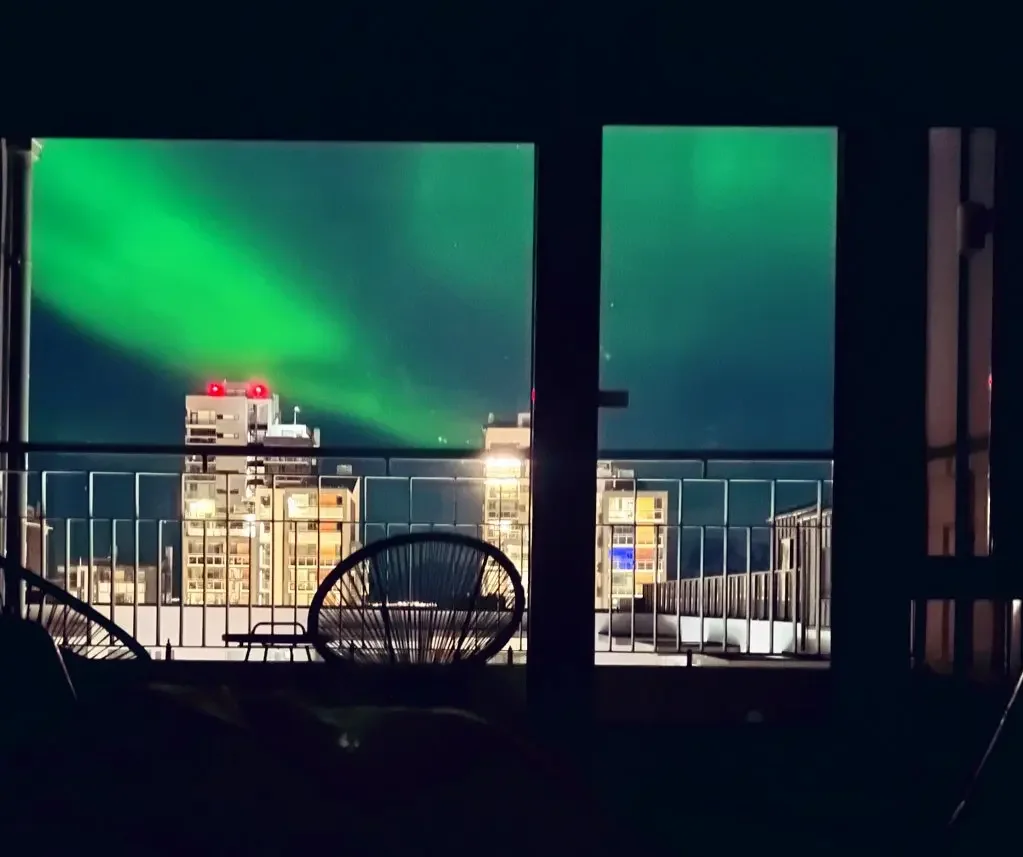
Copyright Knot Waste: Iceland, Northern Lights illuminate the apartment's balcony.
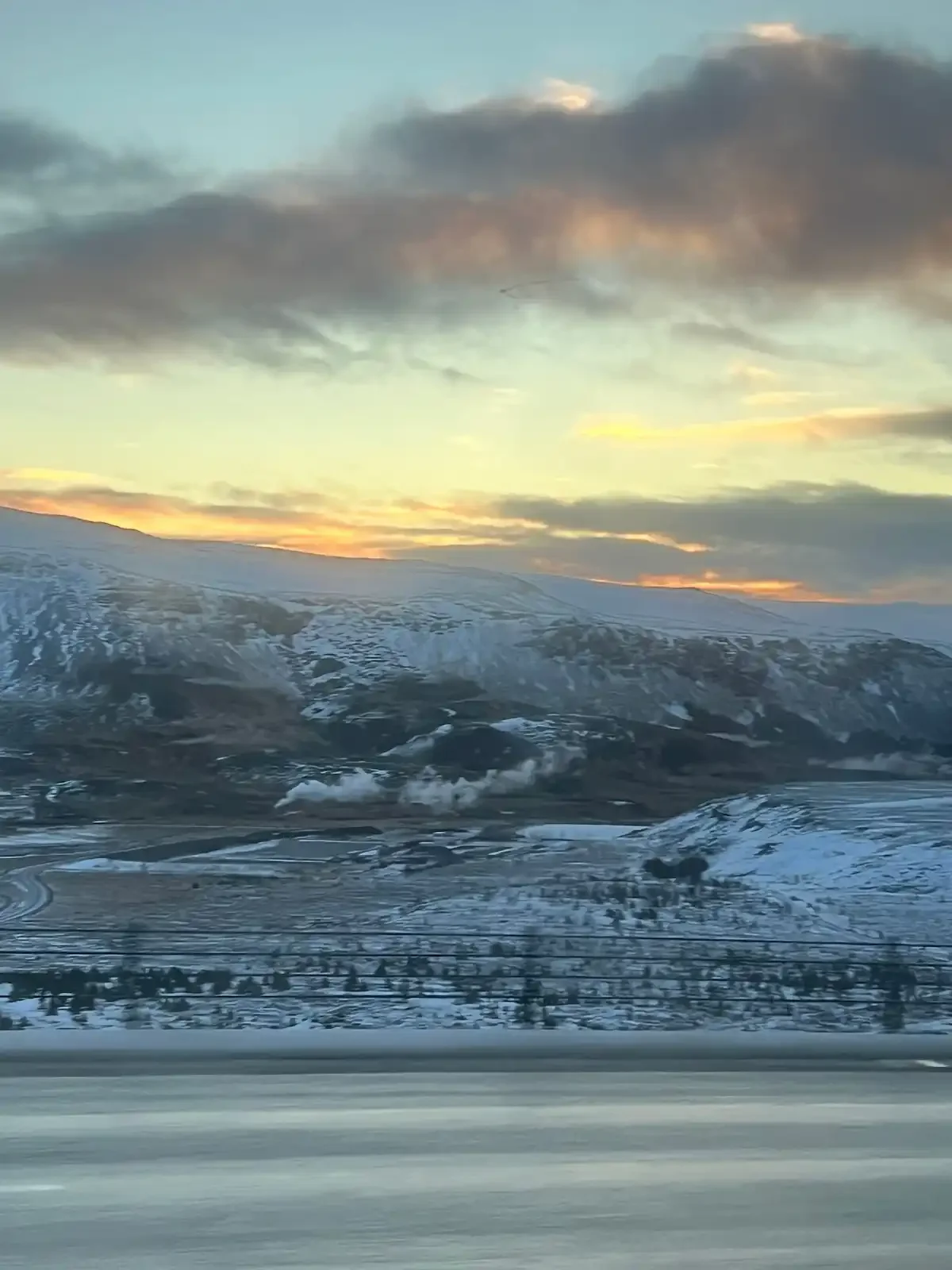
Copyright Knot Waste: Iceland - Captured through the tour bus window. The land of fire and ice!
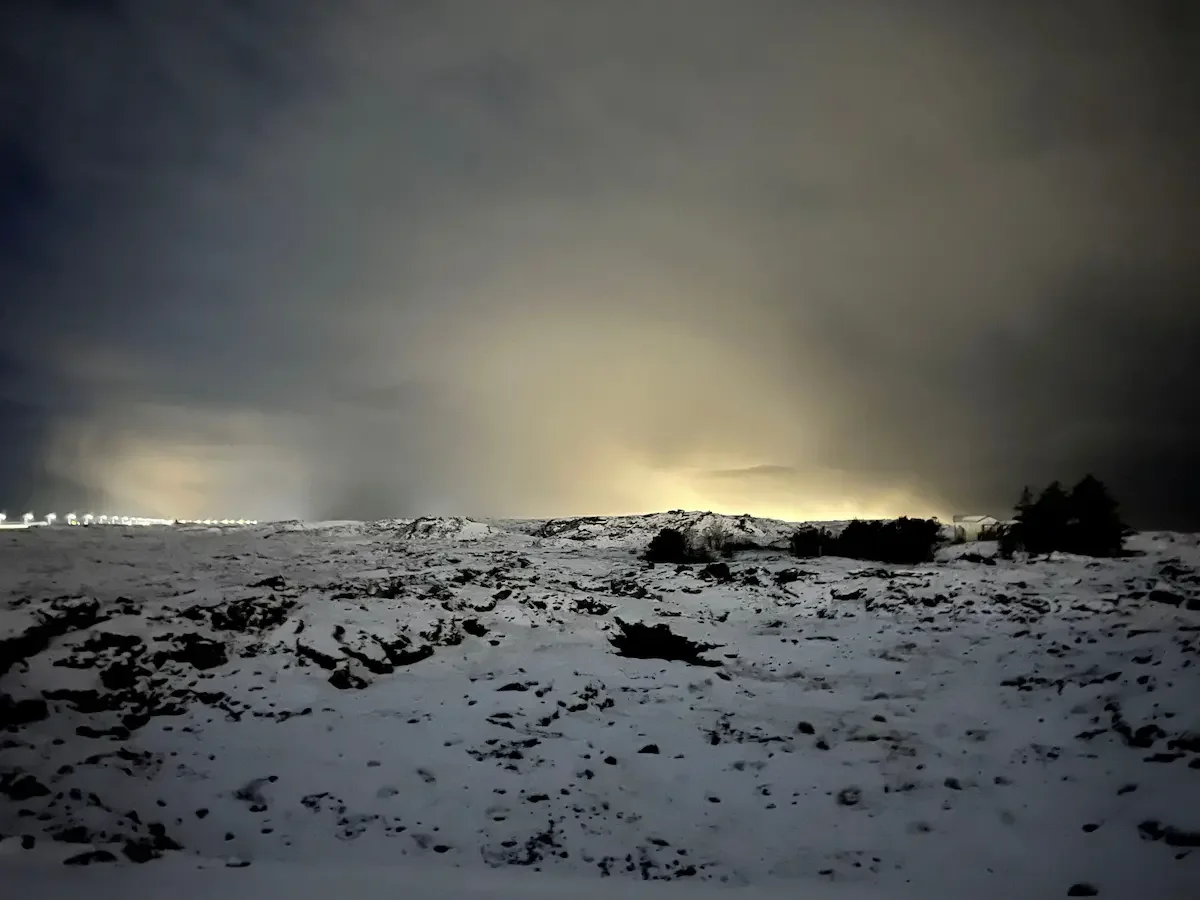
Copyright Knot Waste: Iceland, Light Pollution - Capturing the Northern Lights also depends on cloud cover.
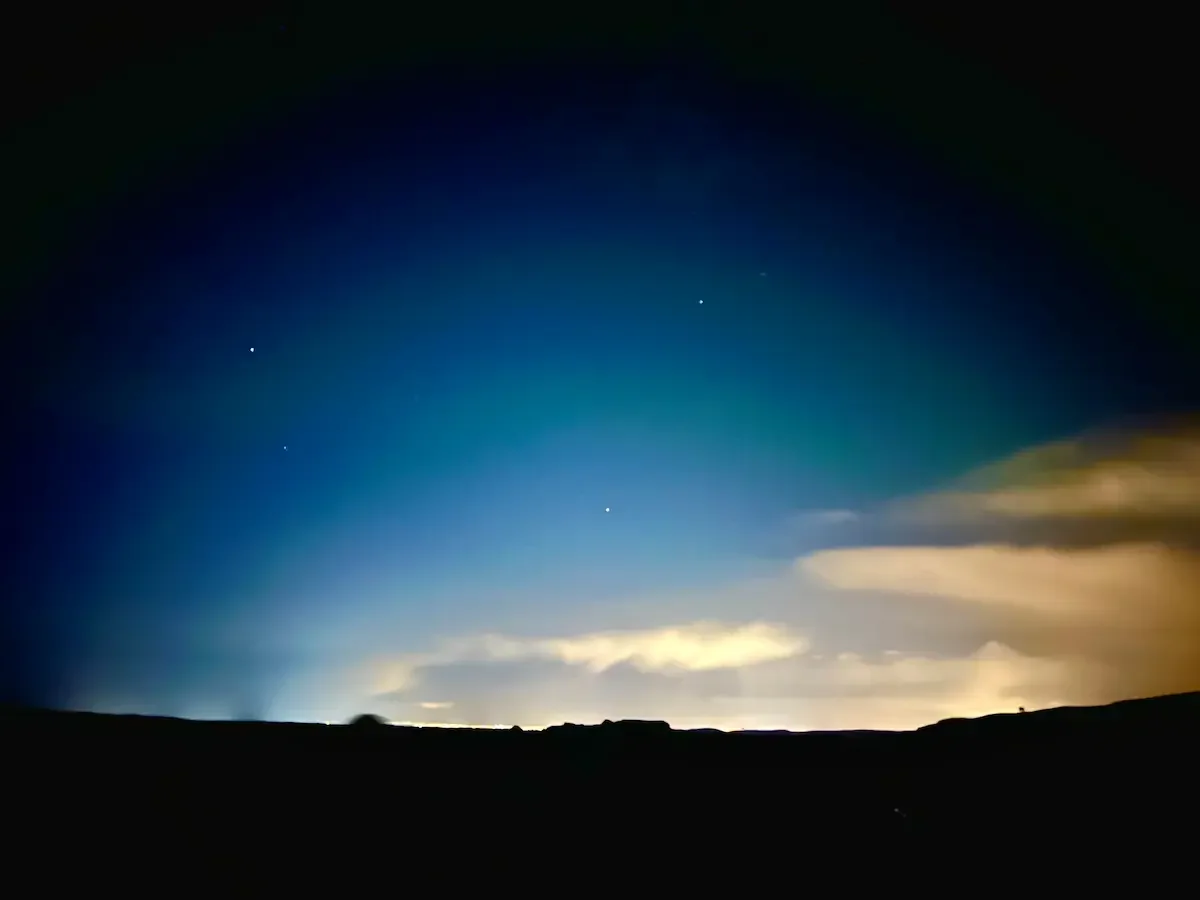
Copyright Knot Waste: Iceland, Northern Lights - The green lights trying its hardest to appear through the light pollution.
Copyright Knot Waste: Iceland, Light Pollution - It confuses the internal clocks and behaviours of wildlife, and can alter plant cycles.
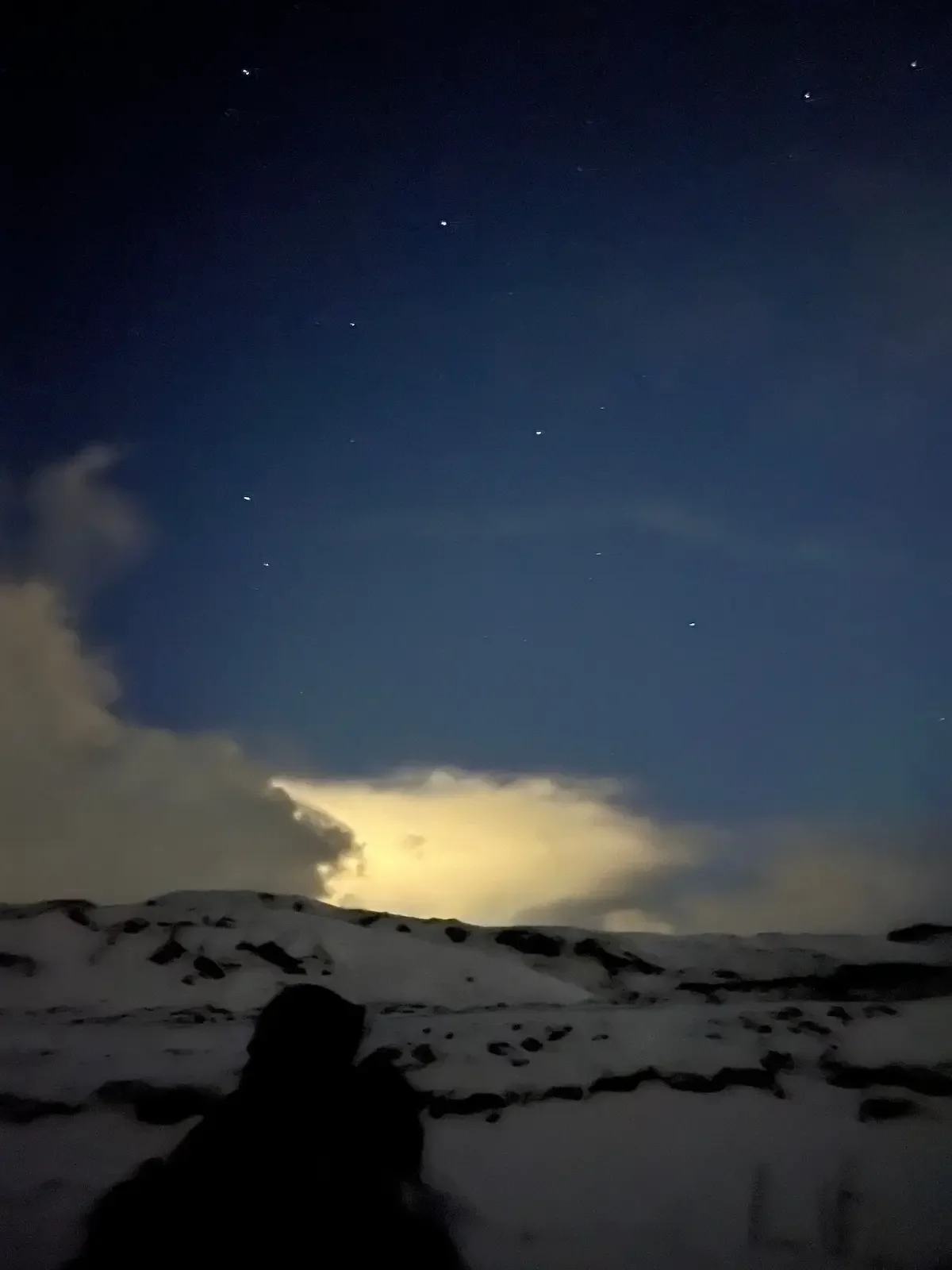
Copyright Knot Waste: Iceland, Light Pollution - Reykjavík has smart public lighting systems and an official lighting policy aimed at reducing glare and dark-sky disruption. Or you can travel to dark-sky observation points outside of the city to see the Northern Lights dance.