
Biophilic Urban Design
The Rise of Nature-Led Cities in Europe.
With more and more people choosing to scroll rather than stroll, it’s no wonder that our mental health is taking a nose dive. We’re still feeling the impacts of the pandemic and unemployment rates are rising. So, it comes as no surprise that according to GOV UK, over 500,000 young people sought emergency care for mental health crises between 2019 and 2025 in the UK.
There are many things that we can’t change but one thing that we can, is the greenery around us. Now more than ever, we need good biophilic urban design. By satisfying our innate human desire to be close to nature (biophilia), it helps to improve our mental and physical well-being.
“While urban greening gives a city the nature it needs to survive ecologically, biophilic design gives humans the nature they need to thrive psychologically” -Journal of Biophilic Design.
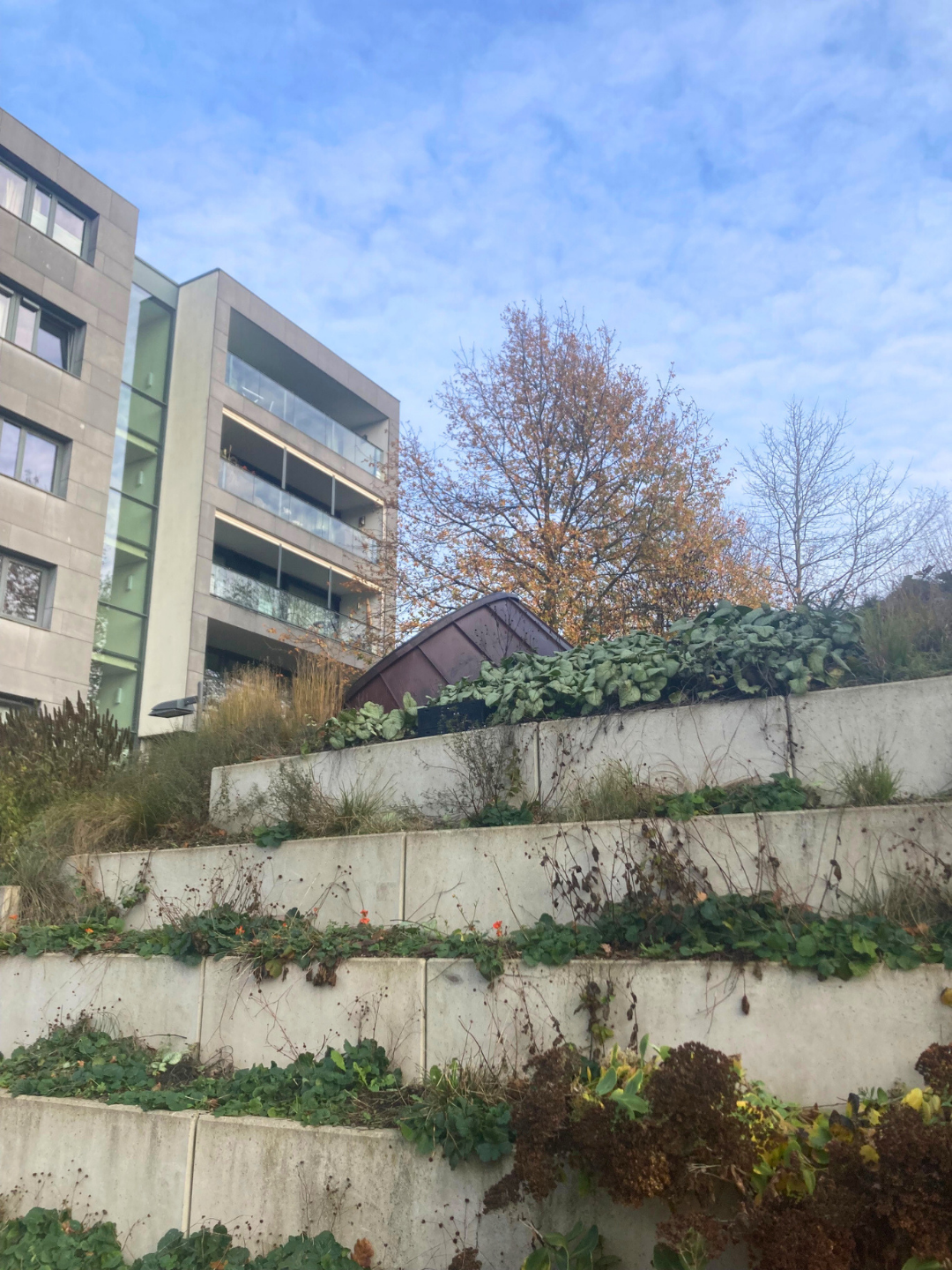
Copyright Knot Waste: Breda, The Netherlands.
4 Features of A Biophilic City
~ Rich Urban Biodiversity
Diverse local wildlife is protected, restored, and encouraged.
~ Green Architecture
Adding things like green roofs, living walls, and vertical Gardens.
~ Green & Blue Infrastructure
Restoring polluted waterways, connected trail networks, and bigger parks.
~ Biophilic Design Elements
Building with organic materials, and prioritising natural light and ventilation.
(University of the Built Environment).
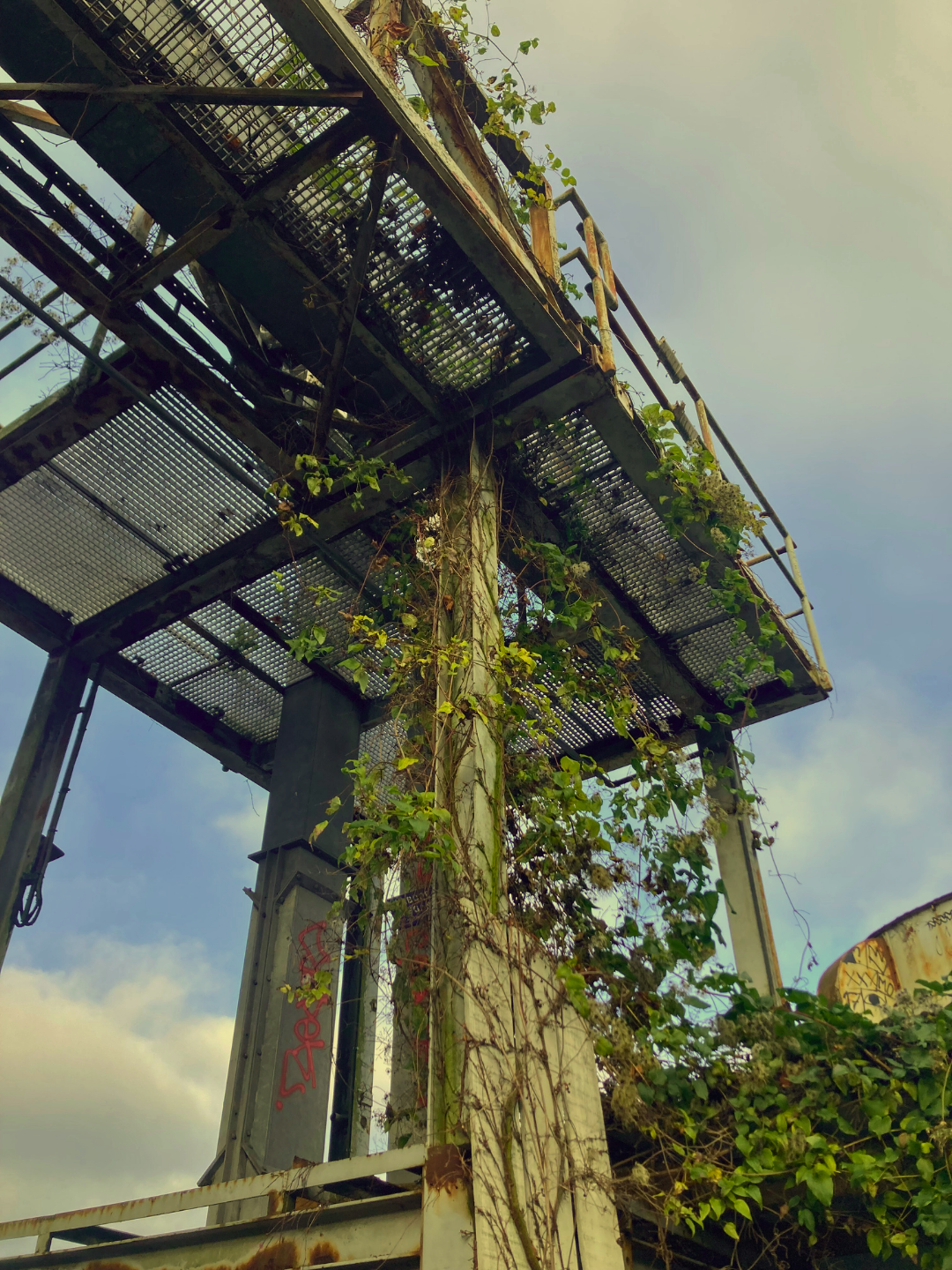
Copyright Knot Waste: Den Bosch, The Netherlands.
Why Biophilic Urban Design Matters
Having more green spaces makes us all move more, whilst natural light and nature lowers stress levels, reduces depression, and enhances cognitive function. Nature Connectedness is proven to improve mental health, whilst Biophilic Urban Design puts human health and wellbeing at the forefront.
Things like green roofs are also great for that climate problem that’s quite trendy right now. They help to capture carbon, absorb pollutants, and reduce flood risks. All in all, it encourages greater biodiversity. It’s nice having a hedgehog living in your backyard.
In short, greener cities also means that your house prices will increase, and there are less unfit, sick people racking up bills for the NHS.
So, how can we make this dream a reality?
1 - Build homes and offices from natural materials, with as much natural daylight
as possible incorporated into the design. Not only Karen should have a
south-facing garden to brag about.
2 - Community gardens in residential areas, workplaces, or hospital type places.
3 - More green roofs, urban parks, and better drainage.
5 Biophilic Cities in Europe
1 - Amsterdam
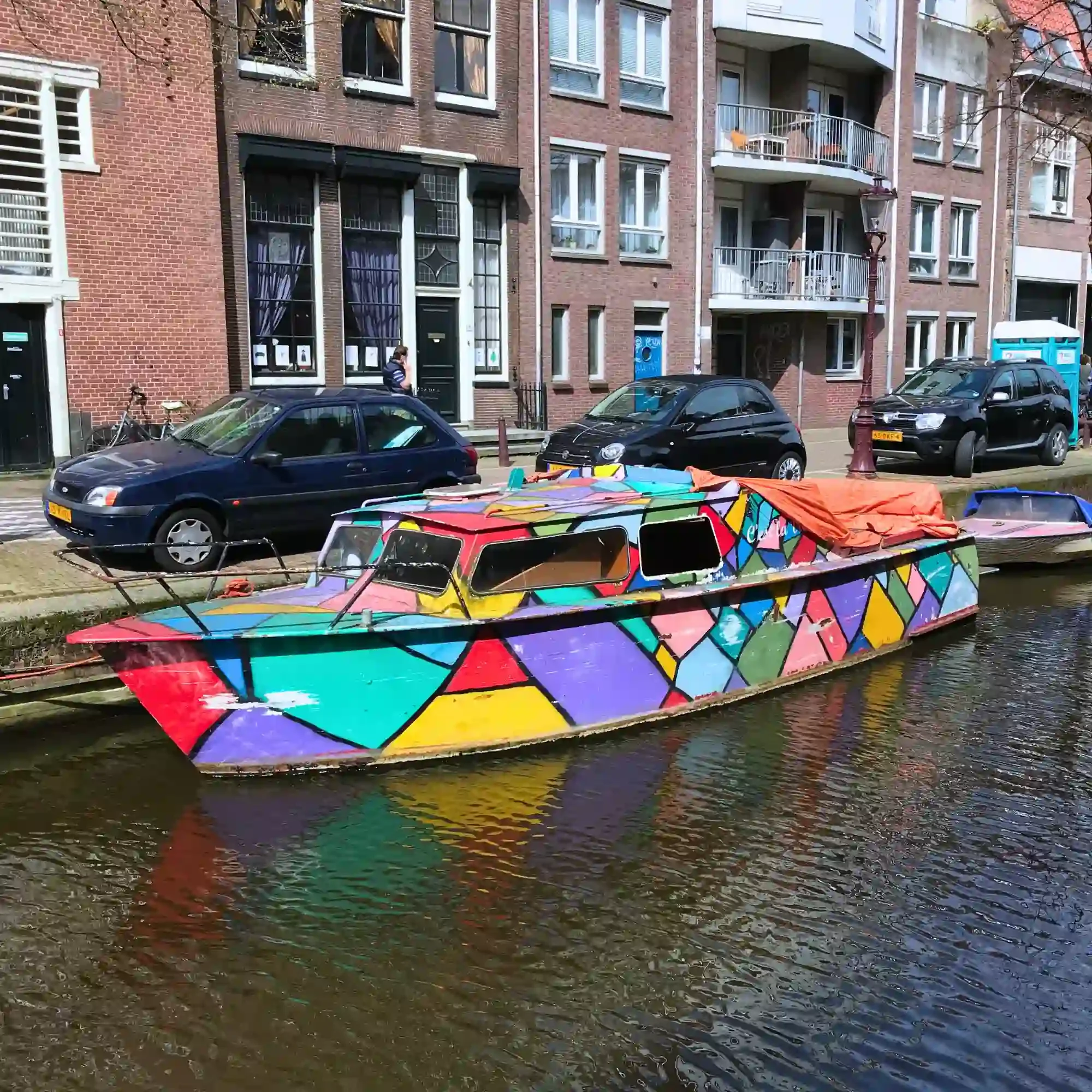
Copyright Knot Waste: Amsterdam, The Netherlands.
Amsterdam is a great example of a Biophilic city due to its biodiversity, waterways and human-scale design. They favour spaces that encourage people to move around and socialise. Think cafes and shops at the bottom of massive buildings. Shaded over-hangs to stop you burning your head-crack whilst catching up with friends. Plus, you can get a bike just about anywhere, or float down the canal living your best life.
Biophilic Highlights
~ Floating gardens and green roofs.
~ Wildlife-friendly urban planning.
~ Excellent public access to parks and water.
2 - Milan
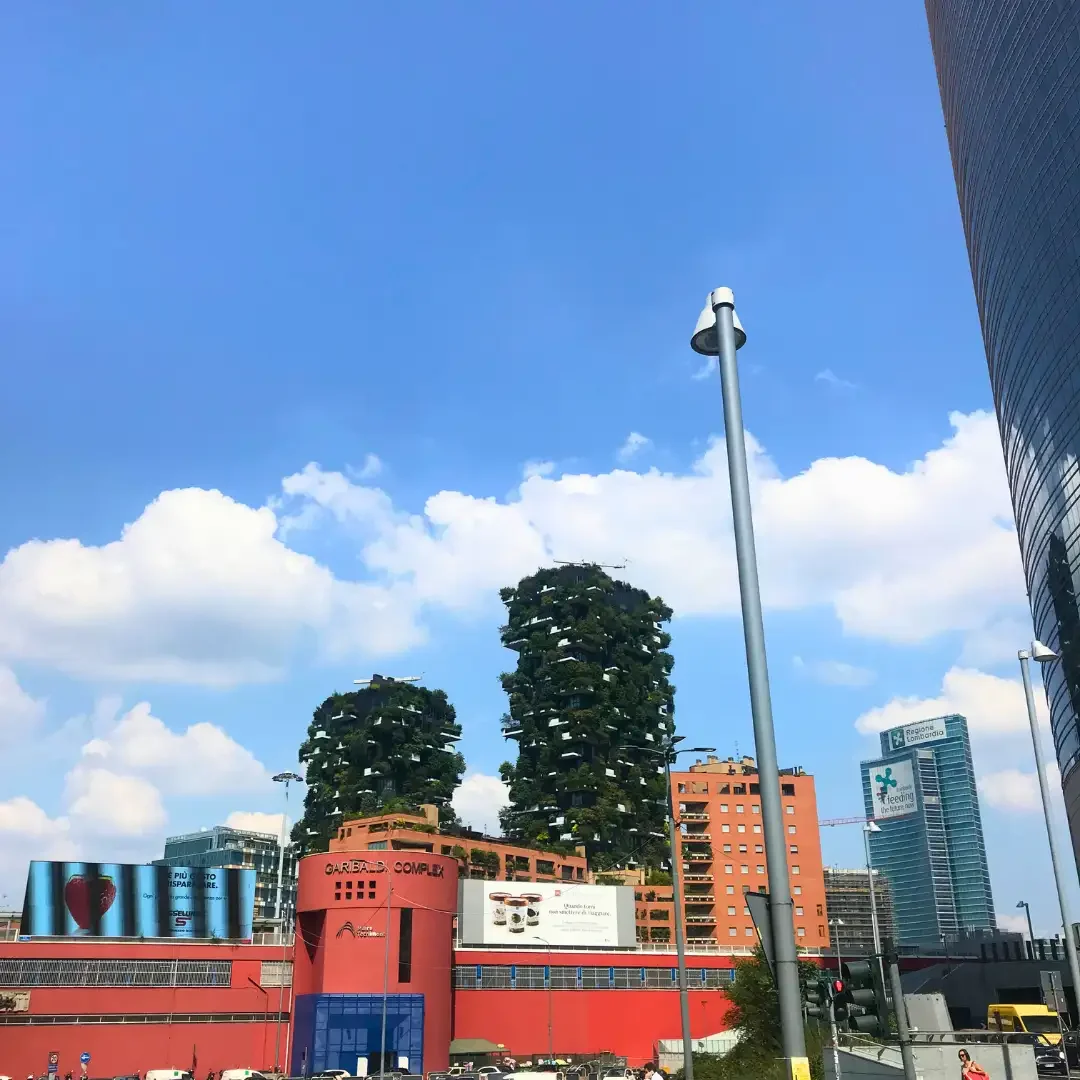
Copyright Knot Waste: Milan, Italy - Bosco Verticale (Vertical Forest).
Milan is capturing the Biophilic headlines thanks to its urban reforestation strategy. Just think of the those lovely plant-covered residential skyscrapers, the Bosco Verticale (Vertical Forest).
Designed by Architect Stefano Boeri, the towers have around 800 trees, 4,500 shrubs, and 15,000 perennial plants. The city is pioneering large-scale, nature-based urbanism to combat pollution, boost local biodiversity, and reconnect residents with the natural environment.
3 - London
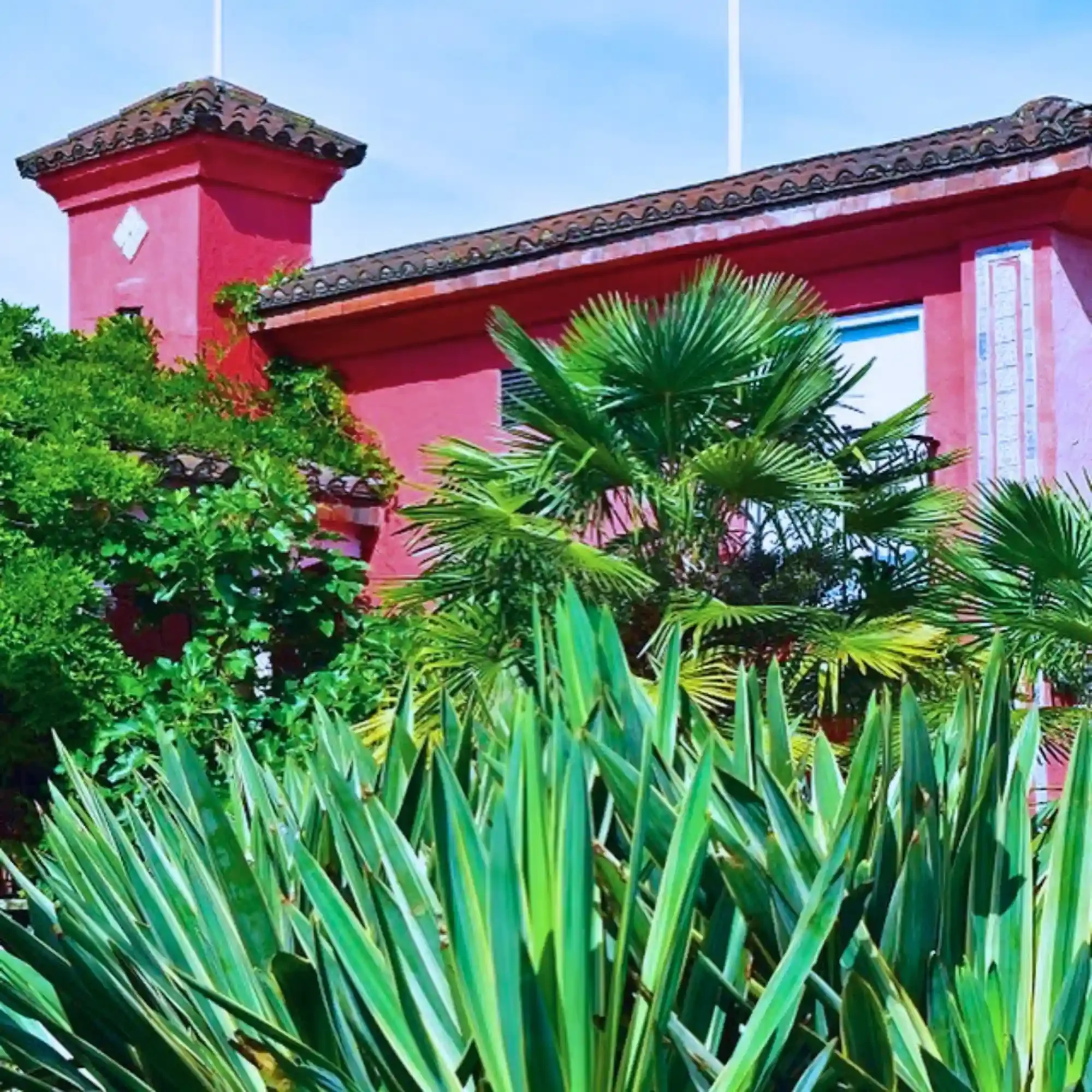
Copyright Knot Waste: London, UK - Kensington Roof Gardens.
When you think of London, you think too many people and things being a bit dirty. Biophilic Design is however rapidly evolving there to counteract this visual overload. Design is focusing on optimising daylight, adding greenery and building with natural materials. Wellbeing and productivity are on the up, whilst simultaneously supporting the natural world.
London has over 40% green or blue space, with major urban re-wilding initiatives underway. Think lush green parks, urban meadowns and polinator projects. Today, architectural psychology uses the zoo model as inspiration for 'habitat enrichment' in human spaces, after research in the 90's proved that artificial spaces caused severe stress in animals (Leaflike).
London has umpteen opportunities to reconnect with nature and learn. If it didn't, who'd have known what resting flamingo face looked like?
4 - Ljubljana
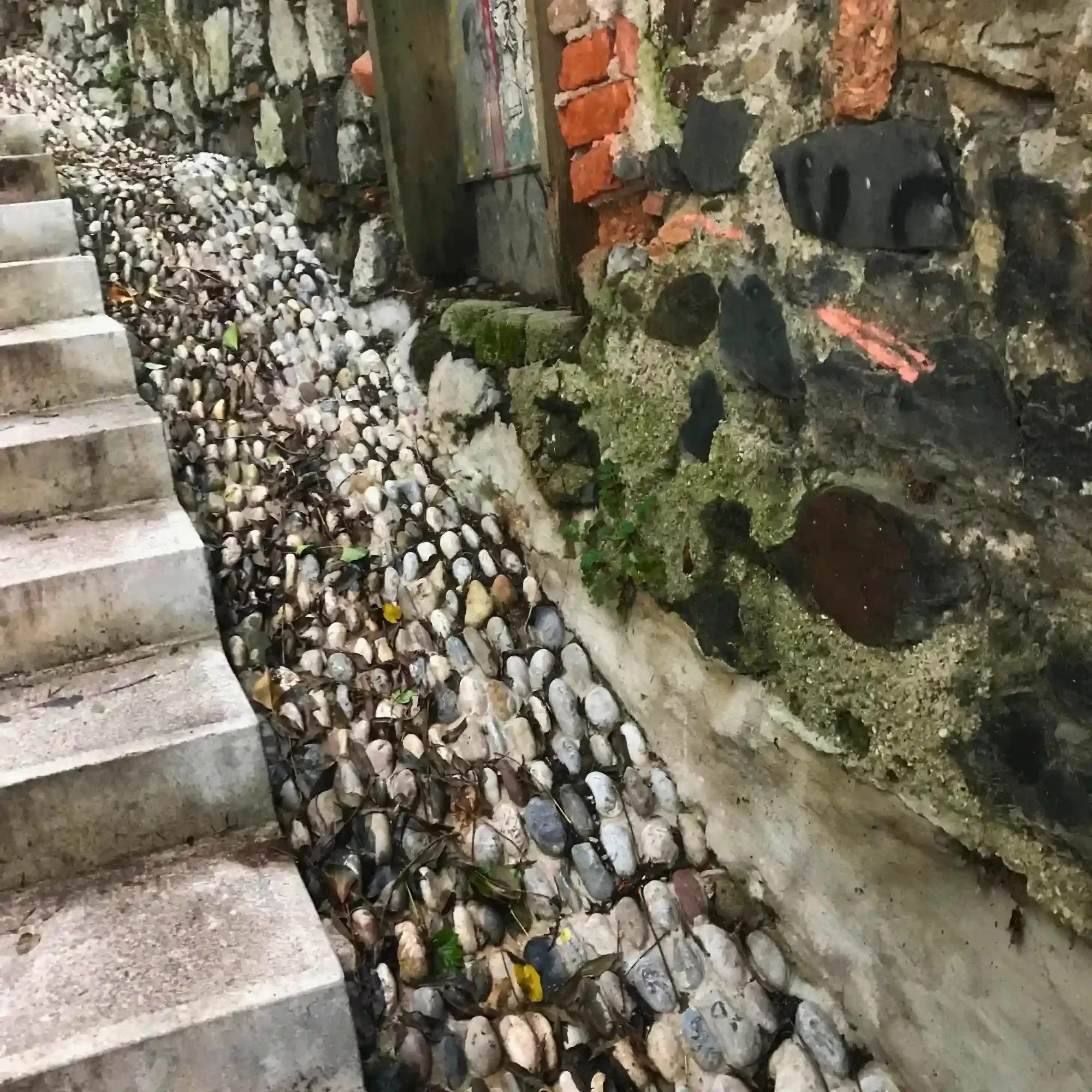
Copyright Knot Waste: Ljubljana, Slovenia.
The Slovenian capital, Ljubljana was once the European Green Capital. The city is surrounded with woodlands and riverside greenery which the city mirrors with its human and nature-inspired interior designs. As the city seamlessly integrates nature with urban living, it's come to serve as a living template for other urban, workspace, and residential infrastructures (Visit Ljubljana).
There are endless ways to enjoy nature in the city, from Tivoli Park, which is often referred to as Ljubljana's central green lung, to commercial spaces such as cafes or workspaces merging human-focused design with sustainable materials.
5 - Vienna
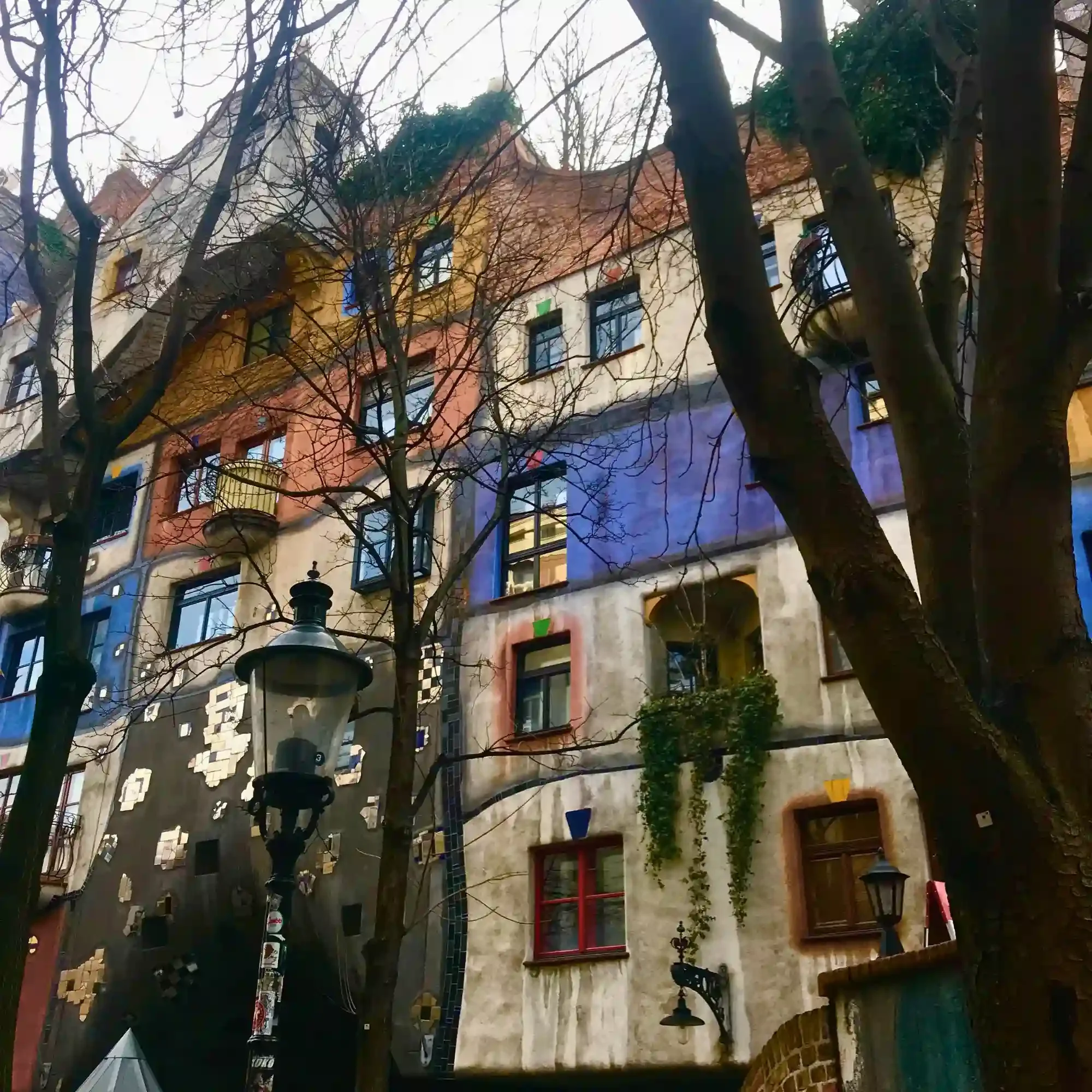
Copyright Knot Waste: Vienna, Austria - Hundertwasserhaus
Vienna is no stranger to green roofs, or trees growing out of windows. It's partly due to the visionary Artist Friedensreich Hundertwasser and iconic buildings such as the Kunst Haus Wien. The greenery on the bright, concrete environments create organic habitats. It contributes to better biodiversity, and that calming feeling of looking out your window and watching a little bird scoff worms on your green sill.
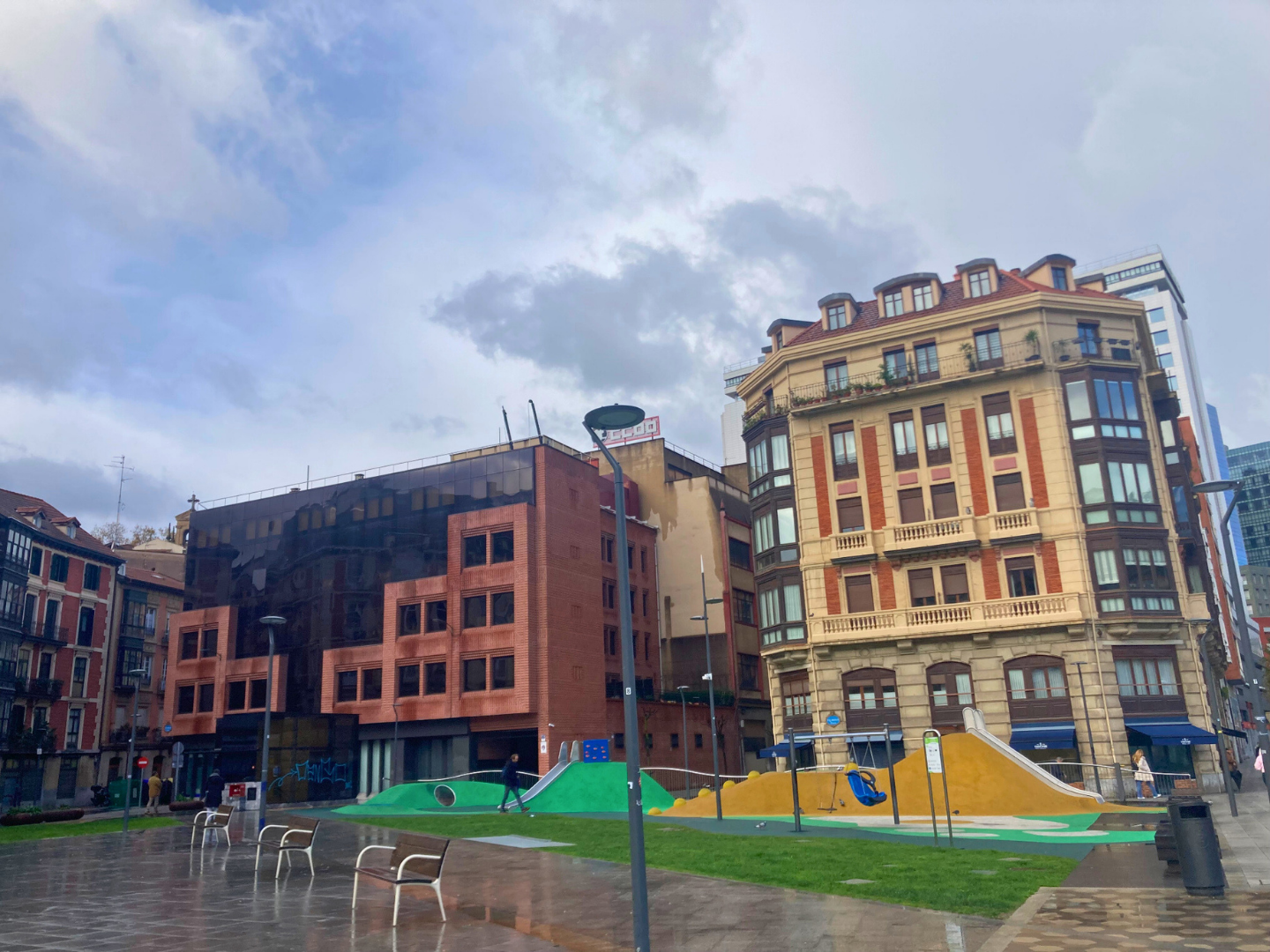
Copyright Knot Waste: Bilbao, The Basque Country - Playground Design Inspired By The Surrounding Landscape.
The featured Biophilic Cities have been chosen for this article because they are often citied as great examples of Urban Biophilic Design. By cherry-picking the green strategies in these cities and how they are incorporated into urban life, other cities can learn a lot about transforming their own environments to improve people's wellbeing, whilst supporting the natural world.
Every little green change has an impact.