
Arctic Sea Ice Day
Why Sea Ice Matters for Wildlife, People and Our Future.
It might be all the way on the other side of the world to most of us but that doesn’t mean that it doesn't impact our daily lives. The frozen sea ice that makes up the Arctic plays an important role in regulating our climate, supporting extraordinary wildlife and even influencing weather patterns across the globe. We all have a role to play in helping to protect it, and Arctic Sea Ice Day (July 15th in 2026) is an opportunity to understand what’s changing and what we can all do to help. It’s also a time to celebrate the people, scientists, conservationists and communities who spend their lives protecting it.
“What happens in the Arctic will influence the rest of our planet”- WWF.
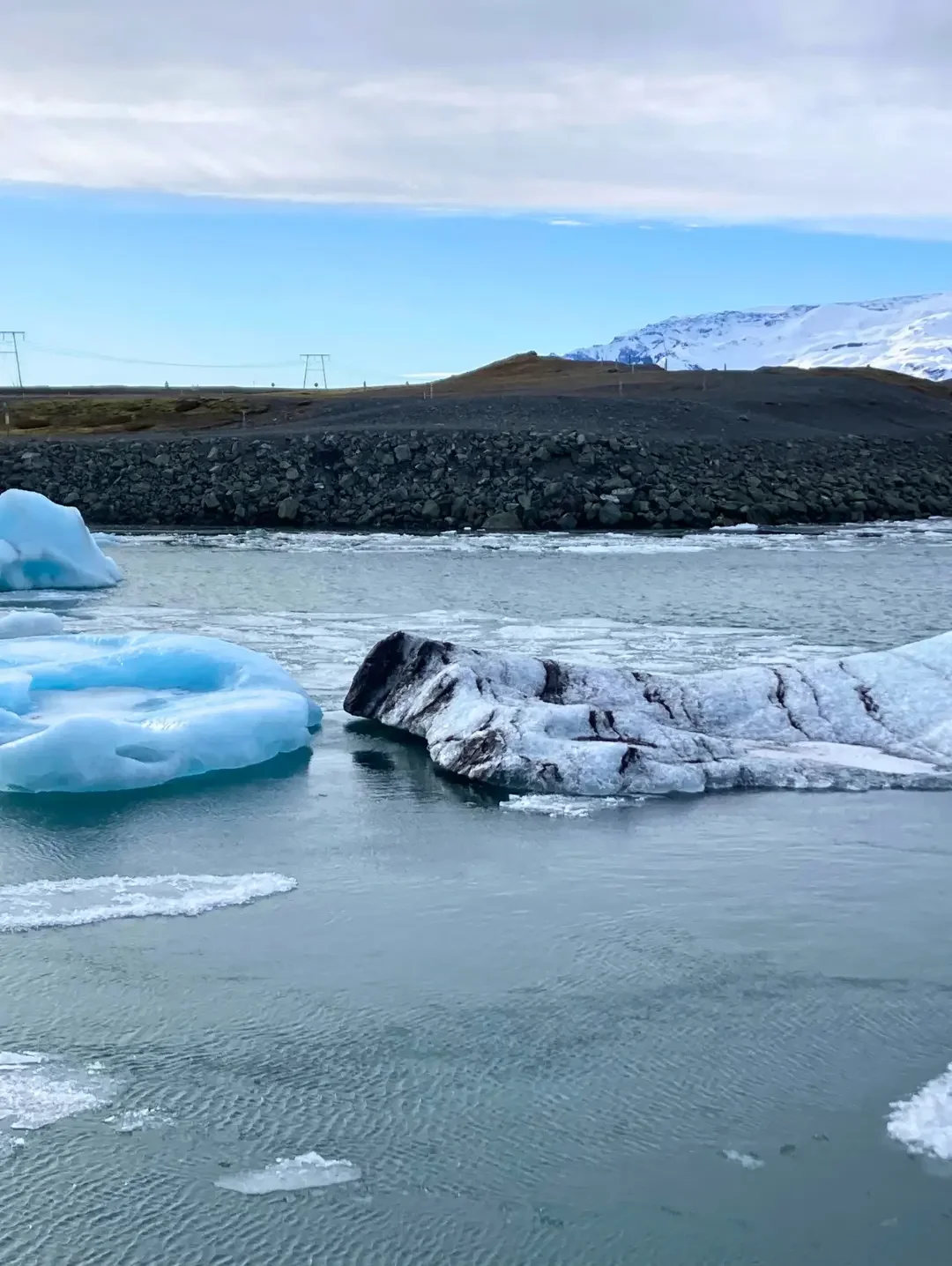
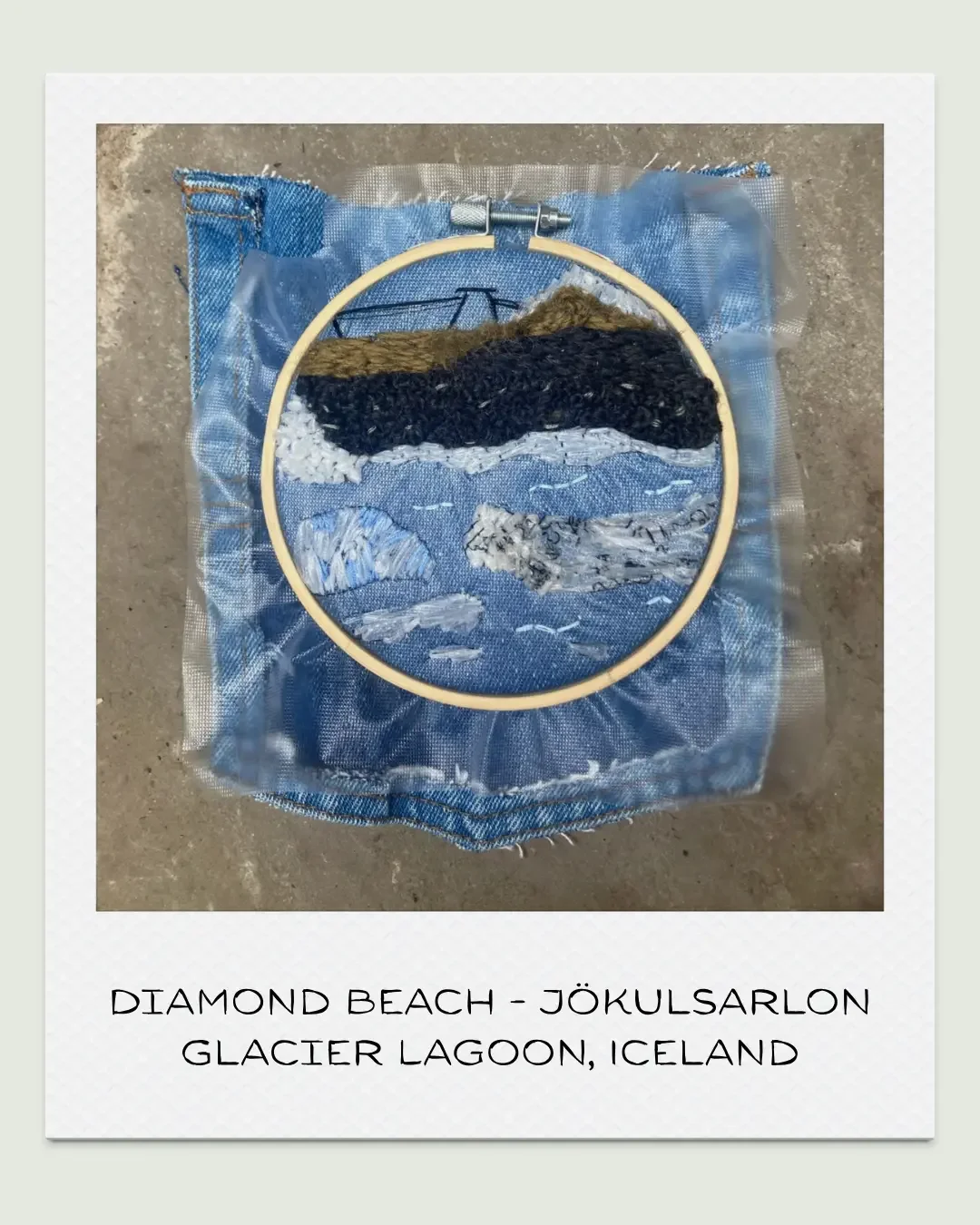
Copyright Knot Waste: Diamond Beach, Jökulsarlon Glacier Lagoon, Iceland.
What is Arctic Sea Ice Day?
Yes, Arctic Sea Ice Day is really a thing, and one that should be shouted about a bit more in my opinion. You don’t know what you don’t know. So, how can you help something you don’t understand? The day raises awareness of the shrinking Arctic sea ice. Sea ice is frozen ocean (not glaciers) that reflects sunlight back into space. It helps to regulate global temperatures and support Arctic food webs.
“The Arctic is warming 3 times faster than any other region on earth”
- WWF.
The WWF lists the following key problems:
Summer Sea Ice Is Disappearing. This puts animals that are particularly ice-dependent at risk.
The Arctic Is No Longer An Effective Global Air Conditioner. Less sea ice means more open ocean, more heat absorption and more climate change, not just within the region but also beyond.
Sea Levels Are Rising. Effects will be felt around the world.
Wildfires Are Surging As The Climate Warms. Leading to evacuations, loss of economic activity, and negative health effects.
Permafrost Is Thawing. The permanently frozen ground layers serve as a crucial carbon reservoir, stabilising terrain, averting erosion, and supporting infrastructure.
Coastlines Are Eroding. Flooding communities, killing wetlands and accelerating the thawing of permafrost. Along with damage to property, this is causing the irreversible loss of livelihoods and cultural heritage.
(Source: WWF).

Copyright Knot Waste: Diamond Beach, Jökulsarlon Glacier Lagoon, Iceland.
Don’t worry there are solutions… We’ll get to those in a bit.
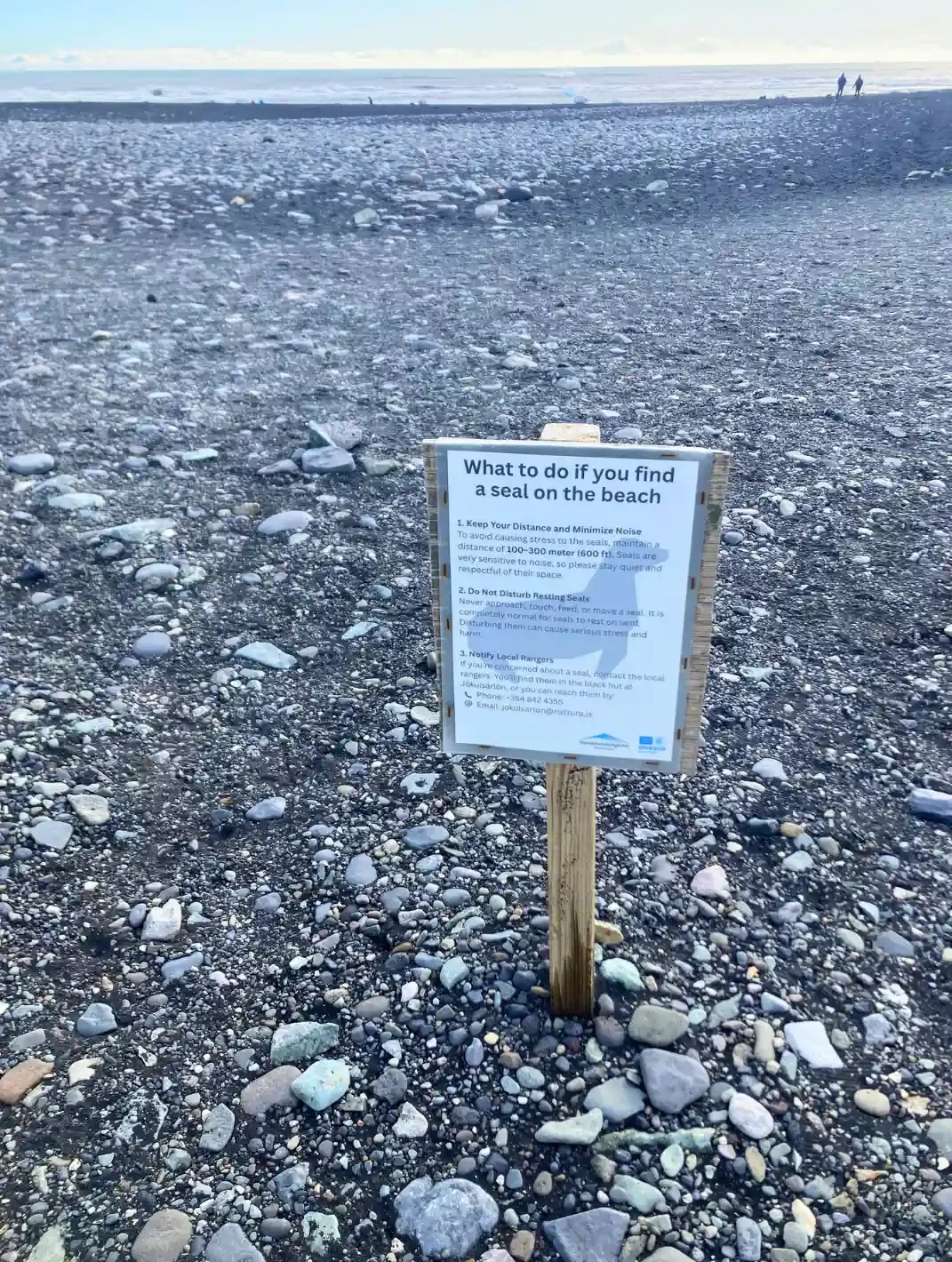
Copyright Knot Waste: Diamond Beach, Jökulsarlon Glacier Lagoon, Iceland.
Why Sea Ice Matters to Seals
The Arctic is home to six types of seal species including bearded seals and harp seals (the cute fluffier ones that most of us are familiar with). The thing is, seals depend on stable sea ice for survival; from resting to giving birth and raising pups, or skidding away from an orcas’ jaws. Less ice, means it's harder to escape predators, and that includes making it harder to keep their pups safely tucked away. It also means that if you're a seal out on the pull, you've got nowhere to take your partner back to as breeding habitats are disappearing.
(Oceanwide Expeditions).
It's not all doom and gloom, though, as the situation is being consistently monitored by on-going conservation work.
The Ripple Effect Across the Arctic
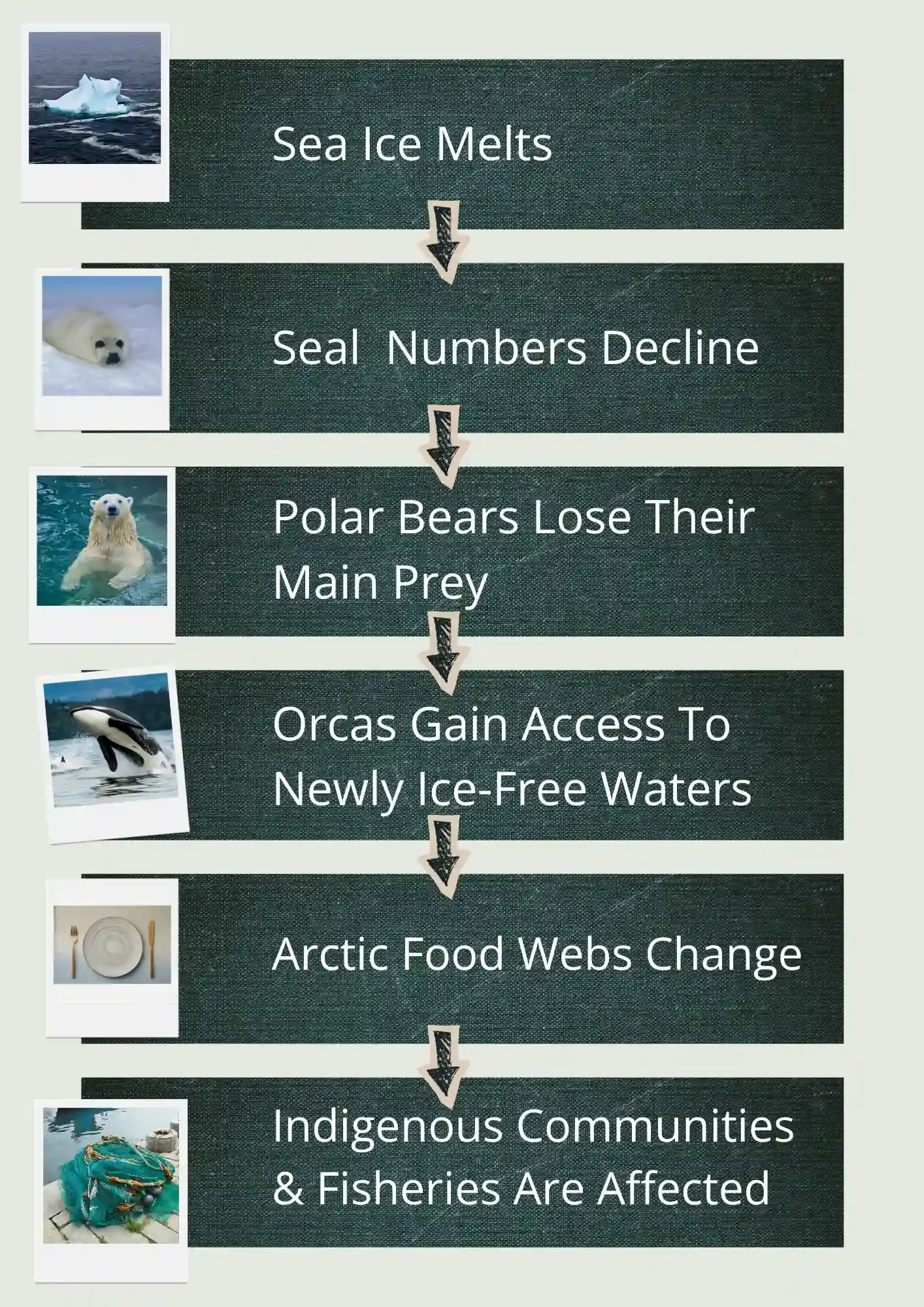
Copyright Knot Waste: The Ripple Effect of Sea Ice Melt Across The Arctic.
My infographic shows why protecting Arctic ecosystems benefits everyone.
Polar bears rely heavily on seals and as sea ice disappears, bears have to travel further, using more energy and having fewer hunting opportunities. Meanwhile, orcas can increasingly enter areas once blocked by sea ice, and this changes predator-prey relationships. Why should humans give a fig about this? Well, it changes fish populations and coastal communities. Climate regulation is altered and we see weather at its most extreme. And the cherry on top? We get rising sea levels and of course, floods.

Copyright Knot Waste: Diamond Beach, Jökulsarlon Glacier Lagoon, Iceland.
Iceland's Diamond Beach: Where Glaciers Meet the Sea
I recently ticked off a life-long ambition to see an iceberg in real life by visiting the jaw-dropping Jökulsárlón Glacier Lagoon in southern Iceland. I got to watch seals splashing about amongst the floating icebergs before they drifted out to the black sands of Diamond Beach and snapped a million photos.
The lagoon has expanded dramatically over recent decades because the glacier has retreated. Put simply, ice breaks away from Breiðamerkurjökull glacier and floats through the glacier lagoon. It washes up onto Diamond Beach, and eventually melts into the Atlantic.
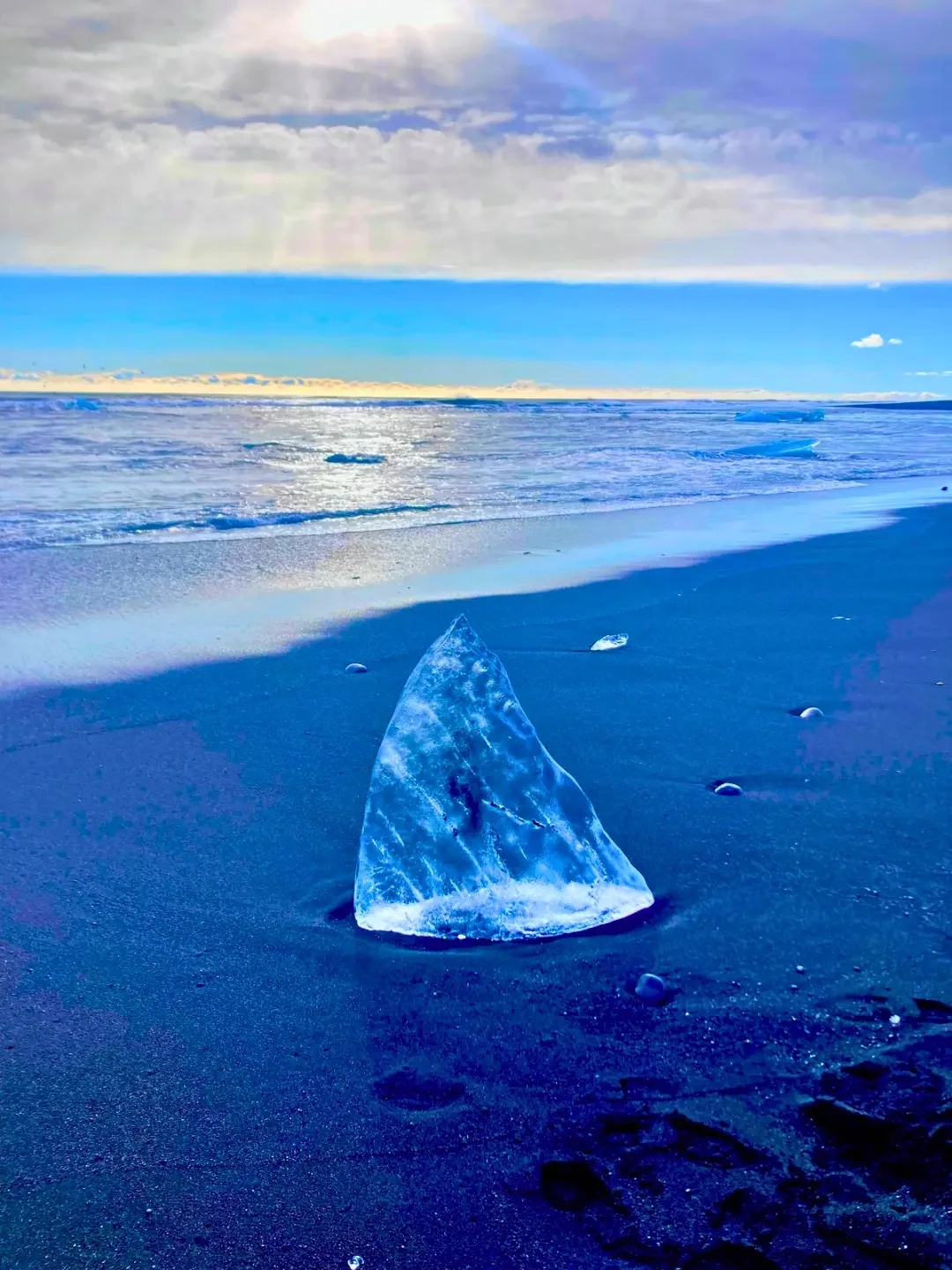
Copyright Knot Waste: Diamond Black Sand Beach, Iceland.
Turning Climate Stories into Creativity
Inspired by this unforgettable landscape, I designed an embroidery pattern for my KnotWasteShop Etsy celebrating the glacier lagoon and the seals that call it home. The pack includes: Beginner landscape, Intermediate landscape, and Advanced seal design.
One of my favourite aspects of the design is that if the finished embroidery becomes wet, the stitched ice disappears while the seal remains. It’s a gentle reminder of how wildlife depends on sea ice for survival.
Copyright Knot Waste: Intermediate Landscape Embroidery Pattern
Small Actions That Make a Difference
I agree, it’s quite worrying to think that the Arctic ice is all melting and we’re going to drown, starve or end up in a forest fire… but there are things that we can all do to help protect the sea ice. Here are a few ideas:
Support organisations protecting Arctic wildlife
Reduce household carbon emissions
Choose sustainable travel where possible
Share positive environmental stories
Spend time connecting with nature locally
Use creativity to start conversations
I often create art about the places I’ve visited to tell a conservation story but you don’t have to visit a place to connect with it. Creating art can help us to connect emotionally with places we may never even visit. Use your creativity to start meaningful conversations with others.

Copyright Knot Waste: Diamond Beach, Jökulsarlon Glacier Lagoon, Iceland.
Arctic Sea Ice Day isn't simply about disappearing ice… It's about recognising how connected our world really is. From seals resting on floating ice to communities thousands of miles away, the Arctic touches us all. Every conversation, creative project and positive action helps build greater awareness, reminding us that protecting nature starts with understanding why it matters.
Feeling inspired? See our tips on creating Embroidery as Nature Connection.